



Does Alcohol Raise Your Blood Pressure? What You Need to Know
Regular alcohol use is often linked to various health issues, including high blood pressure (hypertension). Discover how alcohol affects your blood pressure.
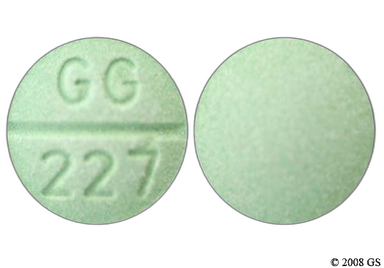
Isosorbide dinitrate (Isordil) is good for a specific type of chest pain (called angina), but it can cause headaches after you take it.

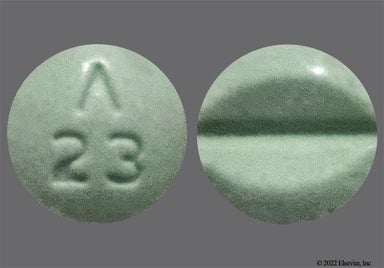
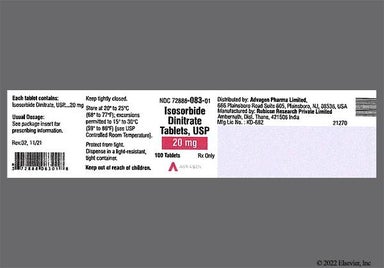
Isosorbide dinitrate (Isordil) is a nitrate vasodilator, which means that it works to relax your blood vessels. This makes it easier for your heart to pump, relieving heart-related chest pain.
| Common Brands | Isordil |
|---|---|
| Drug Class | Vasodilator |
| Controlled Substance Classification | Not a controlled medication |
| Generic Status | Lower-cost generic available |
| Availability | Prescription only |

The following side effects may get better over time as your body gets used to the medication. Let your healthcare provider know immediately if you continue to experience these symptoms or if they worsen over time.
Contact your healthcare provider immediately if you experience any of the following.
Along with its needed effects, a medicine may cause some unwanted effects. Although not all of these side effects may occur, if they do occur they may need medical attention.
Check with your doctor immediately if any of the following side effects occur:
Rare
Bluish-colored lips, fingernails, or palms
dark urine
difficulty with breathing
dizziness or lightheadedness
headache
pale skin
rapid heart rate
unusual bleeding or bruising
unusual tiredness or weakness
Incidence not known
Arm, back, or jaw pain
blurred vision
chest pain or discomfort
chest tightness or heaviness
confusion
dizziness, faintness, or lightheadedness when getting up suddenly from a lying or sitting position
fainting
fast or irregular heartbeat
sweating
Get emergency help immediately if any of the following symptoms of overdose occur:
Symptoms of overdose
Blurred or loss of vision
bulging soft spot on the head of an infant
change in consciousness
change in the ability to see colors, especially blue or yellow
cold, clammy skin
convulsions
disturbed color perception
double vision
fast, irregular, pounding, or racing heartbeat or pulse
feeling of constant movement of self or surroundings
halos around lights
headache, severe and throbbing
increased sweating
loss of appetite
loss of consciousness
night blindness
overbright appearance of lights
paralysis
sensation of spinning
slow heartbeat
tunnel vision
vomiting
Other side effects not listed may also occur in some patients. If you notice any other effects, check with your healthcare professional.
Call your doctor for medical advice about side effects. You may report side effects to the FDA at 1-800-FDA-1088.




Isosorbide dinitrate (Isordil) can cause some serious health issues. This risk may be even higher for certain groups. If this worries you, talk to your doctor or pharmacist about other options.
Taking erectile dysfunction medications or drinking alcohol while taking isosorbide dinitrate (Isordil) can cause your blood pressure to get dangerously low, which can be life-threatening. Contact your provider right away if you feel as if you are going to pass out and are experiencing an irregular heartbeat, nausea, vomiting, changes in vision, increased sweating, or cold and clammy skin. Some people feel dizzy or fall when changing positions, such as going from sitting to standing. Change positions slowly until your body is used to the medicine. Talk to your provider if you continue to feel dizzy or have a fast heart rate a week after starting isosorbide dinitrate (Isordil)
Your body can get used to isosorbide dinitrate (Isordil), and the same amount of medication can no longer work as well as it used to. This is called tolerance, and it cannot be fixed by increasing the strength of the medication. Tolerance is more likely to happen if you don't take your dose according to schedule. Be sure to follow your provider's instructions about when to take isosorbide dinitrate (Isordil). Talk to your provider if you notice your chest pain starts to get worse.


Although certain medicines should not be used together at all, in other cases two different medicines may be used together even if an interaction might occur. In these cases, your doctor may want to change the dose, or other precautions may be necessary. When you are taking this medicine, it is especially important that your healthcare professional know if you are taking any of the medicines listed below. The following interactions have been selected on the basis of their potential significance and are not necessarily all-inclusive.
Using this medicine with any of the following medicines is not recommended. Your doctor may decide not to treat you with this medication or change some of the other medicines you take.


Prescription savings
Stop paying too much for your prescriptions. Compare prices, get pharmacy coupons, and save up to 80%. Find expert answers to your health questions so you can make the best decisions for yourself and your family.
Health conditions
Medications & treatment
Access & affordability
Medication discounts

Isosorbide Dinitrate can cause your blood pressure to drop somewhat. It's usually not a problem for most people unless you drink alcohol or take other medications that can also lower your blood pressure.
To help prevent a tolerance to Isosorbide Dinitrate from forming, there should be a 14 hour period of time where you are not taking any doses. By not taking Isosorbide Dinitrate after 6 PM, this helps ensure your body has that 14 hour dose-free period.
While both Isosorbide Dinitrate and nitroglycerin are known as nitrate vasodilators, they are not the same medication. Isosorbide Dinitrate works slowly to help prevent chest pain. Nitroglycerin works very quickly to widen your blood vessels and help your heart pump blood during a heart attack.
Isosorbide Dinitrate is not known to affect the kidneys. People with kidney problems should be able to take the usual dose of Isosorbide Dinitrate.
Stopping Isosorbide Dinitrate suddenly can cause you to have a worsening of your chest pain. This chest pain can feel more intense or painful than it was before you began taking Isosorbide Dinitrate.
