


Vitamin D3 Coupon - Vitamin D3 50000iu capsule

Vitamin D3

Generic Vitamin D3
Used for Vitamin D Deficiency

Vitamin D3 (cholecalciferol) is an over-the-counter dietary supplement that's taken by mouth to raise vitamin D levels. It's for adults and children who aren't getting enough vitamin D through food or sunlight, or for people who've certain conditions that cause vitamin D deficiency, like liver or kidney problems. Vitamin D3 (cholecalciferol) is usually taken daily, but it's sometimes taken weekly, depending on the dose. Vitamin D3 (cholecalciferol) isn't known to cause any side effects if you're taking the recommended dose.

Reviewed by:Last reviewed on September 28, 2023
basics-icon

What is Vitamin D3 (cholecalciferol) ?

What is Vitamin D3 (cholecalciferol) used for?

  • Low vitamin D levels

How Vitamin D3 (cholecalciferol) works

Vitamin D3 (cholecalciferol) is a dietary supplement that boosts your body's vitamin D levels when it's low.

Vitamin D is a hormone that your body naturally makes. You can also get it through the foods you eat. Vitamin D is very important to help your body work properly. For example, you need vitamin D to absorb calcium, which is important to keep your bones strong. In addition, you also need vitamin D for healthy muscles, nerves, and immune systems.

Drug facts

Common BrandsVitamin D3, Decalcitrol, Decara High Potency Vitamin D3, Enfamil D-Vi-Sol, D-Trol
Drug ClassDietary supplement
Controlled Substance ClassificationNot a controlled medication
Generic StatusLower-cost generic available
AvailabilityOver-the-counter
side-effects-icon

Side effects of Vitamin D3 (cholecalciferol)

The following side effects may get better over time as your body gets used to the medication. Let your healthcare provider know immediately if you continue to experience these symptoms or if they worsen over time.

Common Side Effects

See Risks and Warnings.

Vitamin D3 (cholecalciferol) serious side effects

Contact your healthcare provider immediately if you experience any of the following.

  • High calcium or vitamin D blood levels: loss of appetite, nausea, weakness, weight loss, muscle aches or stiffness, constipation
  • Kidney damage: a change in how much or how often you urinate, feeling tired, swelling in your legs or feet

Source: DailyMed

The following Vitamin D3 (cholecalciferol) side effects have also been reported

Side effects that you should report to your care team as soon as possible:

Side effects that usually do not require medical attention (report these to your care team if they continue or are bothersome):

prices-container

Get your GoodRx coupon

Avg retail price
$10.17(Save 60.37%)
GoodRx discount
$4.03
See prices
pros-and-cons-icon

Pros and cons of Vitamin D3 (cholecalciferol)

Pros

  • Raises vitamin D levels better than vitamin D2 (ergocalciferol)
  • Available over the counter
  • Comes in many different forms (e.g., liquid, gummies, tablets, capsules)
  • Available as a once-weekly, high-dose capsule (taken only if instructed by your provider)

Cons

  • Some forms of vitamin D3 (cholecalciferol) are animal-based, which can be a problem for vegetarians, vegans, and people of certain faiths.
  • Too much vitamin D can cause side effects that can last for months after stopping the supplement.
  • Can be easy to forget to take, since you can't feel vitamin D3 (cholecalciferol) working
pharmacist-tips-icon

Pharmacist tips for Vitamin D3 (cholecalciferol)

pharmacist
  • Only take high-dose (50,000 IU) vitamin D3 (cholecalciferol) if your provider tells you to do so. Most people don't need to take this much. Don't take more than instructed by your provider to avoid side effects, and be sure to get any ordered blood tests done on time.
  • Contact your provider if you notice an unexplainable loss of appetite, nausea, constipation, weight loss, weakness, general aches, or stiffness. These might be signs that you're taking too much vitamin D.
  • If you're using the liquid version of vitamin D3 (cholecalciferol) , use the medication dropper that comes with the package to measure each dose. If a dropper didn't come with your package, ask your pharmacy to provide you with one. Don't use household teaspoons to measure out your dose of vitamin D3 (cholecalciferol) , since these can cause you to take the wrong dose.
  • Make sure your providers have a list of all your medications and supplements you take on a regular basis, including those purchased over the counter. You might already be taking a product that includes vitamin D, and taking too much can lead to side effects.
faq-icon

Common questions about Vitamin D3 (cholecalciferol)

Check in with your provider to see if you need to start taking vitamin D3 (cholecalciferol) daily. Many people already get enough vitamin D through foods or sunlight and don't need to take a vitamin D3 (cholecalciferol) supplement. But if you need to start vitamin D3 (cholecalciferol) , your provider can recommend a dose based on your age, diet, and what health conditions you have. In general, healthy children and adults need 600 IU daily. But older adults ages 70 and older need 800 IU per day.

Don't take 5,000 IU of vitamin D3 (cholecalciferol) every day unless your provider instructed you to do so. This dose is higher than the recommended dietary allowance (RDA) of vitamin D for adults and children; most people don't need to take this much vitamin D every day. Depending on what medical condition you have, your provider might recommend that you take a higher daily dose of vitamin D, but only for a limited period of time. Taking too much vitamin D for a long period of time can be harmful to your health.

Yes, it's possible to take too much vitamin D3 (cholecalciferol) . Taking higher-than-recommended doses of vitamin D3 (cholecalciferol) over long periods of time can cause symptoms such as confusion, vomiting, and muscle weakness. Ask your provider how much vitamin D is safe for you to take. Also, double check the ingredients on all of your supplements to make sure you're not taking more vitamin D than you're aware of; vitamin D3 (cholecalciferol) is a common ingredient in multivitamins. If you experience symptoms of vitamin D toxicity such as confusion, nausea, muscle weakness, or irregular heartbeat, call your provider right away.

You can take vitamin D3 (cholecalciferol) at any time of the day. If your provider recommends you to take vitamin D3 (cholecalciferol) daily, it's best to take it at the same time every day so that the amount of vitamin D in your system stays consistent. If you're taking vitamin D3 (cholecalciferol) once a week, make sure to take it on the same day every week.

No. The recommended dietary allowance (RDA) for vitamin D is the same for males and females, no matter the age.

Yes, vitamin D3 (cholecalciferol) is a form of vitamin D. There are two main forms of vitamin D found in supplements and foods: vitamin D2 (ergocalciferol) and vitamin D3 (cholecalciferol) . They're both considered "vitamin D" and differ slightly in their chemical structure.

Both vitamin D2 (ergocalciferol) and vitamin D3 (cholecalciferol) are forms of vitamin D, and they're both used to treat low levels of vitamin D. However, research suggests that vitamin D3 (cholecalciferol) might work better. Another difference is that vitamin D2 (ergocalciferol) is typically made from plant sources, while vitamin D3 (cholecalciferol) often comes from animal sources. It's unlikely your provider would recommend taking both vitamin D2 and D3 at the same time, since they work similarly to raise vitamin D levels in your body. Also, taking too much vitamin D can lead to serious side effects.

educational-icon

How to save using GoodRx

Compare Prices
1. Compare PricesSpecify your dosage and quantity to find out exactly how much you can save.
Select your free coupon
2. Select your free couponYou can use the displayed coupon, or compare prices at other pharmacies near you.
Show coupon to your pharmacist
3. Show coupon to your pharmacistPresent your printed or electronic coupon when you pick up your prescription.
Get free couponLearn more
warnings-icon

Risks and warnings for Vitamin D3 (cholecalciferol)

Vitamin D3 (cholecalciferol) can cause some serious health issues. This risk may be even higher for certain groups. If this worries you, talk to your doctor or pharmacist about other options.

High calcium or vitamin D levels

Vitamin D3 (cholecalciferol) shouldn't be used if you have high levels of calcium or vitamin D in your blood. If you take more vitamin D3 (cholecalciferol) than the recommended or prescribed dose, it can cause calcium to build up in your blood. This can be dangerous for your kidneys. If you're taking vitamin D3 (cholecalciferol) to treat low vitamin D levels or other conditions diagnosed by your provider, be sure to get all ordered blood tests done on time. That way, your provider can make sure your vitamin D levels aren't too high and you're taking the correct dose. If you notice unexplained nausea that doesn't go away, a loss of appetite, weight loss, constipation, muscle pain, muscle stiffness, or a change in how much or how often you urinate, talk to your provider. These could be early signs that you're taking too much vitamin D and your calcium blood level is too high.

dosage-icon

Vitamin D3 (cholecalciferol) dosage

The average cost for 12 capsules of 50000iu of Vitamin D3 (cholecalciferol) is $6.26 with a free GoodRx coupon. This is 35.79% off the average retail price of $9.75.
capsuleCapsule
DosageQuantityPrice as low asPrice per unit
50000iu12 capsules$6.26$0.52
5000iu90 capsules$4.74$0.05
1000iu5 capsules$6.79$1.36
2000iu90 capsules$6.67$0.07
10000iu30 capsules$13.36$0.45
tabletTablet
DosageQuantityPrice as low asPrice per unit
1000iu90 tablets$4.03$0.04
2000iu90 tablets$4.74$0.05

Typical dosage for Vitamin D3 (cholecalciferol)

Vitamin D3 (cholecalciferol) is taken by mouth. Your dose will depend on your individual needs. Ask your healthcare provider or pharmacist about what dose and how often you should take vitamin D3 (cholecalciferol) .

Vitamin D3 (cholecalciferol) comes in many different strengths. The dose of vitamin D3 (cholecalciferol) is measured in both micrograms (mcg) and international units (IU): 1 mcg vitamin D is equal to 40 IU.

The highest strength of vitamin D3 (cholecalciferol) is 1,250 mcg (which is 50,000 IU) and is typically reserved to treat very low vitamin D levels and certain related conditions.

cost-icon

How much does Vitamin D3 (cholecalciferol) cost?

To access savings, use a GoodRx coupon and pay just a fraction of the retail price.
Vitamin D3 (cholecalciferol) (generic)
GoodRx lowest price

$4.03

(save 81.15%)
contraindications-icon

Vitamin D3 (cholecalciferol) contraindications

Contraindications are specific health conditions or situations in which a person should not take a medication due to safety concerns. If you have any of the following conditions or if any of the following apply to you, let your healthcare provider know because Vitamin D3 (cholecalciferol) will not be safe for you to take.

  • High blood calcium levels
  • High blood vitamin D levels
  • Malabsorption syndrome (when your body can't absorb nutrients)
alternatives-icon

What are alternatives to Vitamin D3 (cholecalciferol) ?

There are a number of medications that your doctor can prescribe in place of Vitamin D3 (cholecalciferol) . Compare a few possible alternatives below.
Vitamin D3 (cholecalciferol)
Used for:
  • Low vitamin D levels
$4.03Lowest GoodRx priceView prices
Used for:

Low vitamin D, and certain related conditions:

  • Hypoparathyroidism (low parathyroid hormone levels)
  • Familial hypophosphatemia (genetic condition causing low phosphate levels)
  • Vitamin D-resistant rickets (weakening of the bones caused by low vitamin D)
$10.07Lowest GoodRx priceView prices
latest-news-icon

News about Vitamin D3 (cholecalciferol)

Taking vitamin D and magnesium together is beneficial. Learn how they work together to support bone health, immune function, and overall well-being.
Vitamin D and Magnesium: Should You Take These Together?
Taking vitamin D and magnesium together is beneficial. Learn how they work together to support bone health, immune function, and overall well-being.
Have you ever wondered about the difference between vitamin D2 vs. D3? We explain how and why they are different.
Vitamin D2 (Ergocalciferol) vs. Vitamin D3 (Cholecalciferol): Which One Is Better?
Have you ever wondered about the difference between vitamin D2 vs. D3? We explain how and why they are different.
Medical experts explain how much vitamin D you should be taking per day, the differences between vitamin D2 and D3, and how much vitamin D is too much.
How Much Vitamin D Should I Be Taking a Day? (And How Much Is Too Much?)
Medical experts explain how much vitamin D you should be taking per day, the differences between vitamin D2 and D3, and how much vitamin D is too much.
Bariatric surgery can lead to vitamin deficiencies. Taking the best bariatric vitamins and supplements are helpful in supporting your overall health.
What Are the Best Bariatric Vitamins to Take After Weight-Loss Surgery?
Bariatric surgery can lead to vitamin deficiencies. Taking the best bariatric vitamins and supplements are helpful in supporting your overall health.
Learn common interactions to know about when taking Vitamin D supplements, including medication.
7 Vitamin D Interactions to Watch For
Learn common interactions to know about when taking Vitamin D supplements, including medication.
There’s not a single best time of day to take vitamin D. In general, though, it’s good to take vitamin D with a meal in the morning or early afternoon.
What’s the Best Time of Day to Take Vitamin D?
There’s not a single best time of day to take vitamin D. In general, though, it’s good to take vitamin D with a meal in the morning or early afternoon.
Vitamin D and cancer share a complex relationship. Learn about the connection between vitamin D and cancer treatment, including chemotherapy.
Should You Take Vitamin D While Receiving Chemotherapy? What to Know About Vitamin D and Cancer
Vitamin D and cancer share a complex relationship. Learn about the connection between vitamin D and cancer treatment, including chemotherapy.
Did you know sunlight can improve mood, lower blood pressure, and boost immunity? Read about the benefits of sunlight and tricks for getting more sun safely.
8 Ways Sunlight Can Benefit Your Health
Did you know sunlight can improve mood, lower blood pressure, and boost immunity? Read about the benefits of sunlight and tricks for getting more sun safely.
Vitamin D is an essential vitamin supplement for maintaining health. Here’s our dosage guide, plus information on when to consult your healthcare provider about taking too much.
Vitamin D Dosages: Your GoodRx Guide
Vitamin D is an essential vitamin supplement for maintaining health. Here’s our dosage guide, plus information on when to consult your healthcare provider about taking too much.
Research shows that vitamin D deficiency is related to a host of conditions and diseases. Learn more here.
7 Health Conditions Linked to Vitamin D Deficiency, From Diabetes to Dementia
Research shows that vitamin D deficiency is related to a host of conditions and diseases. Learn more here.
images-icon

Vitamin D3 (cholecalciferol) images

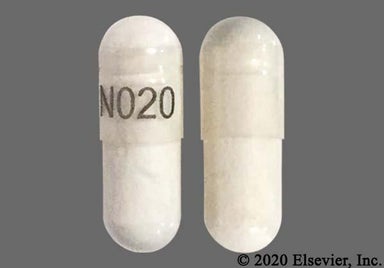
This medicine is Colorless Capsule Imprinted With "N020".

Get savings updates for Vitamin D3 (cholecalciferol)

Receive price alerts, news, and other messages from GoodRx about Vitamin D3 (cholecalciferol) and other healthcare topics and relevant savings offers.

By providing your email, you consent to receive marketing communications from GoodRx, which may include content and/or data related to men's health, women's health, reproductive care, or sexual health. You agree to the GoodRx Terms of Use and acknowledge the Privacy Policy. You can unsubscribe at any time.

References

Best studies we found

American Association of Clinical Endocrinologists. (2019). Vitamin D deficiency

Centers for Disease Control and Prevention. (2022). Vitamin D.

Institute of Medicine (US) Committee to Review Dietary Reference Intakes for Vitamin D and Calcium. (2011). 3: Overview of vitamin D. Dietary Reference Intakes for Calcium and Vitamin D.

GoodRx Health has strict sourcing policies and relies on primary sources such as medical organizations, governmental agencies, academic institutions, and peer-reviewed scientific journals. Learn more about how we ensure our content is accurate, thorough, and unbiased by reading our editorial guidelines.

Was this page helpful?