



IUD Insertion: How to Prepare and What to Expect
Considering getting an IUD but worried about the IUD insertion? Here’s your guide to IUD insertion, including how it works, what to expect, and how to prepare.
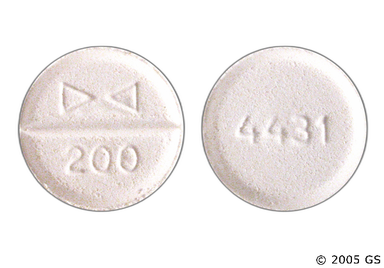
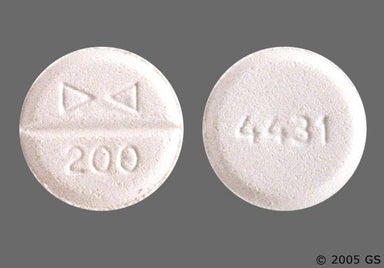
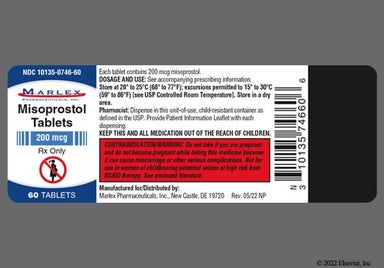
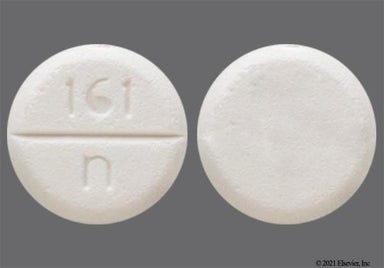
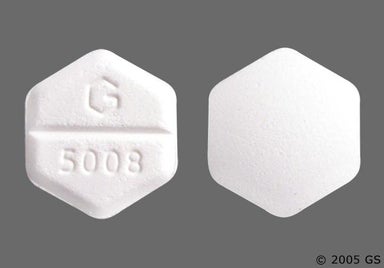
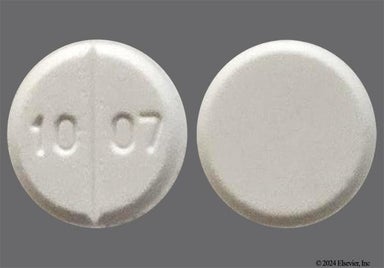
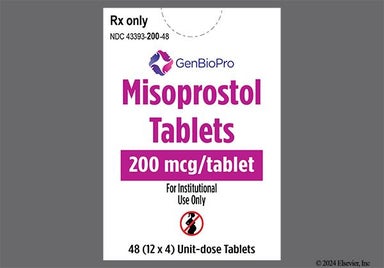
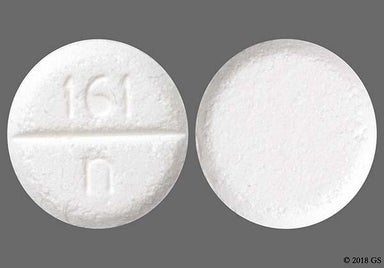
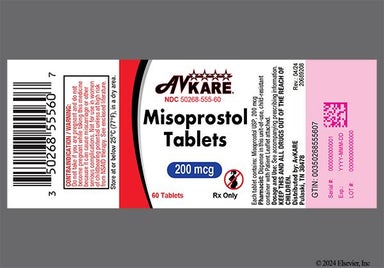
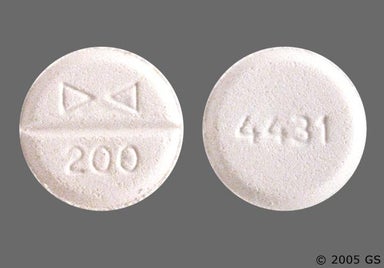
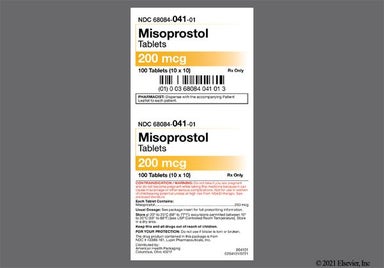
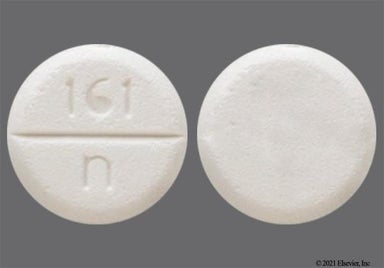
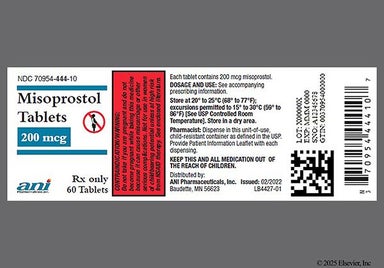
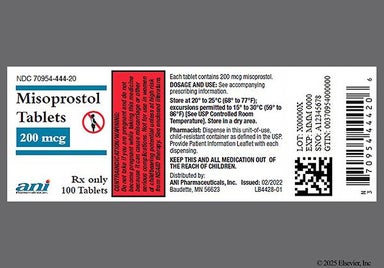
Misoprostol (Cytotec) is a prescription medication that's FDA approved to lower the risk of stomach ulcers in certain people who take nonsteroidal anti-inflammatory drugs (NSAIDs) like ibuprofen or naproxen. It's also sometimes used off-label for a medical abortion or to induce labor during pregnancy. You usually take it by mouth, and the dose depends on what you’re using it for. Common side effects include diarrhea and stomach pain.

Misoprostol (Cytotec) is a prostaglandin analogue, which acts like the natural prostaglandins your body makes. It works by lowering the amount of stomach acid and protecting your stomach lining. This is important because NSAIDs can reduce natural prostaglandins that normally protect your stomach, leading to ulcers.
For medical abortion or labor induction, misoprostol (Cytotec) works by causing the uterus to contract and softening the cervix to help start the process.
| Common Brands | Cytotec |
|---|---|
| Drug Class | Prostaglandin |
| Controlled Substance Classification | Not a controlled medication |
| Generic Status | Lower-cost generic available |
| Availability | Prescription only |

The following side effects may get better over time as your body gets used to the medication. Let your healthcare provider know immediately if you continue to experience these symptoms or if they worsen over time.
Along with its needed effects, a medicine may cause some unwanted effects. Although not all of these side effects may occur, if they do occur they may need medical attention.
Check with your doctor immediately if any of the following side effects occur:
Incidence not known
Bladder pain
bloody nose
bloody or black, tarry stools
bloody or cloudy urine
blurred vision
body aches or pain
chills
confusion
difficult, burning, or painful urination
difficulty with breathing
difficulty with moving
difficulty with swallowing
dizziness
dizziness, faintness, or lightheadedness when getting up suddenly from a lying or sitting position
ear congestion
feeling unusually cold
frequent urge to urinate
headache
loss of voice
lower back or side pain
muscle pain or stiffness
nervousness
pain in the joints
pale skin
pounding in the ears
puffiness or swelling of the eyelids or around the eyes, face, lips, or tongue
severe stomach pain
shivering
slow or fast heartbeat
sweating
tightness in the chest
troubled breathing with exertion
unusual bleeding or bruising
unusual tiredness or weakness
vomiting of blood or material that looks like coffee grounds
Some side effects may occur that usually do not need medical attention. These side effects may go away during treatment as your body adjusts to the medicine. Also, your health care professional may be able to tell you about ways to prevent or reduce some of these side effects. Check with your health care professional if any of the following side effects continue or are bothersome or if you have any questions about them:
Less common
Acid or sour stomach
belching
bloated
excess air or gas in the stomach or intestines
full feeling
indigestion
passing gas
stomach discomfort or upset
Incidence not known
Blistering, crusting, irritation, itching, or reddening of the skin
breast pain
burning, dry, or itching eyes
change in taste
continuing ringing or buzzing or other unexplained noise in the ears
cracked, dry, scaly skin
discharge, excessive tearing
hair loss or thinning of the hair
hearing loss
lack or loss of strength
paleness of the skin
redness, pain, swelling of the eye, eyelid, or inner lining of the eyelid
weight changes
Other side effects not listed may also occur in some patients. If you notice any other effects, check with your healthcare professional.
Call your doctor for medical advice about side effects. You may report side effects to the FDA at 1-800-FDA-1088.



For ulcer prevention:
For medical abortion:
For labor induction:

Misoprostol (Cytotec) can cause some serious health issues. This risk may be even higher for certain groups. If this worries you, talk to your doctor or pharmacist about other options.
Misoprostol (Cytotec) shouldn't be used to prevent stomach ulcers if you're pregnant. This medication can cause serious pregnancy complications, including pregnancy loss, premature birth, birth defects, or damage to the uterus. Because of these risks, your prescriber might ask you to use birth control, take pregnancy tests, or start the medication after your next period to make sure you’re not pregnant. If you're pregnant and need to prevent ulcers from NSAIDs, talk to your prescriber about safer alternatives for you and your baby.
However, misoprostol (Cytotec) can be used safely under medical supervision for medical abortion or labor induction. Your prescriber will explain exactly how and when to take it to make sure it’s used safely.


Although certain medicines should not be used together at all, in other cases two different medicines may be used together even if an interaction might occur. In these cases, your doctor may want to change the dose, or other precautions may be necessary. When you are taking this medicine, it is especially important that your healthcare professional know if you are taking any of the medicines listed below. The following interactions have been selected on the basis of their potential significance and are not necessarily all-inclusive.
Using this medicine with any of the following medicines may cause an increased risk of certain side effects, but using both drugs may be the best treatment for you. If both medicines are prescribed together, your doctor may change the dose or how often you use one or both of the medicines.


Contraindications are specific health conditions or situations in which a person should not take a medication due to safety concerns. If you have any of the following conditions or if any of the following apply to you, let your healthcare provider know because Misoprostol (Cytotec) will not be safe for you to take.











Prescription savings
Stop paying too much for your prescriptions. Compare prices, get pharmacy coupons, and save up to 80%. Find expert answers to your health questions so you can make the best decisions for yourself and your family.
Health conditions
Medications & treatment
Access & affordability
Medication discounts

When taken with NSAIDs, Misoprostol starts working within 30 minutes after your first dose and can last for around 3 hours.
No. You can't buy Misoprostol over the counter. It's only available with a prescription by a healthcare professional.
It takes about 1 to 3 hours for Misoprostol to fully leave your system. This is based on the medication's half-life, which is how long it takes for half of it to be cleared from your body. Keep in mind that everyone’s body works differently, so it might take a little more or less time for you.
Diarrhea is one of the most common side effects of Misoprostol, but it usually goes away within a few days. To help manage it, drink plenty of fluids, eat bland foods, and avoid greasy or spicy foods that can make symptoms worse. You can also lower your risk by taking Misoprostol with food and at bedtime. Avoid magnesium-containing antacids, like Mylanta, since they can make diarrhea worse. If your diarrhea is severe, lasts more than a few days, or makes you feel weak or dizzy, contact your prescriber right away.
Talk to your prescriber about if you can drink alcohol while taking Misoprostol. Alcohol might worsen certain side effects, like nausea and diarrhea. To stay safe, check with your prescriber before drinking alcohol while taking this medication.
Misoprostol is sometimes used off-label during pregnancy for a medical abortion or to induce labor. It works by causing the uterus to contract and softening the cervix to help the body prepare for or complete the process. Because it can cause strong contractions, this medication should only be used under the guidance of a healthcare professional.
Misoprostol is used for pregnancy termination (medical abortion) by causing the uterus to contract and empty. It can be taken on its own or with another medication called mifepristone (Mifeprex). When used together, mifepristone is taken first, followed by a dose of Misoprostol. The medication can be placed in your cheeks, under your tongue, or vaginally, depending on your prescriber's instructions. It’s important to follow your prescriber’s directions carefully and have medical support available in case of side effects.
Yes. Misoprostol can cause cramping. When used for a medical abortion or to induce later, the medication works by making your uterus contract. Cramping usually starts within a few hours after taking the medication. Your prescriber might recommend pain relief options to help make you more comfortable.
