Key takeaways:
A medical abortion typically involves taking two medications. It is an alternative to a surgical abortion.
The medications used for a medical abortion — mifepristone (Mifeprex) and misoprostol (Cytotec) — are only available with a prescription.
Now that the Supreme Court has ended constitutional protections for abortion, many states are expected to ban abortion — and access to abortion pills completely. But you may still be able to get the pills by mail.
Save on related medications
A medical abortion, also sometimes referred to as Plan C, is a way to use prescribed medications to end a pregnancy. The medication mifepristone (Mifeprex) is FDA-approved for abortions. It’s used in combination with another medication called misoprostol (Cytotec). Misoprostol can also be used by itself.
Medical abortions are considered a safe and effective option to end early pregnancies if you’re no more than 10 weeks pregnant. However, the Supreme Court’s decision to overturn Roe v. Wade may make accessing these pills more difficult. Roe v. Wade protected people’s legal right to have an abortion. As many as 26 states are now expected to make abortion completely illegal.
Here, we’ll cover what you need to know about getting abortion pills, especially in light of the Supreme Court’s decision to overturn Roe v. Wade.
Are abortion pills legal?
It depends on where you live. Every state has different laws on when you can have an abortion and the steps you need to take beforehand.
Many states have restricted access to abortion in various ways. And now that abortion is no longer a constitutionally protected right, many states are expected to ban abortion completely. This will include access to abortion pills.
Keep an eye on your state’s laws on obtaining abortion pills. If your state doesn’t allow it, you may still have options.
If you want to learn more about your state’s abortion restrictions and how to access abortion pills, the Guttmacher Institute provides a summary of state abortion laws. You can also call the National Abortion Federation hotline at 1-800-772-9100 or the Repro Legal Helpline at 1-844-868-2812 for guidance.
Where to get abortion pills
Where you get abortion pills from will depend on the state you live in. Some of the most common ways to get abortion pills include:
From a healthcare provider, either through an in-person or virtual appointment and/or by mail
At a clinic or local pharmacy
Here’s how you can potentially access abortion pills online or buy them at a local pharmacy.
Can I buy abortion pills online?
There are many online services that offer abortion medications online, including virtual appointments with a licensed provider.
The below organizations provide online access to abortion pills as well as additional resources:
Remember to ask about your state laws before using a telehealth service or ordering a prescription online. But even if your state has banned abortion or access to abortion pills, you may still be able to get them.
For example, you could to travel to a state that does allow medical abortions. From there, you can schedule an appointment in person or online with a healthcare provider to get a prescription and have your abortion pills mailed to you. Or, you may be able to set up a mail forwarding address in a state that allows virtual abortion appointments.
Can I get abortion pills at my local pharmacy?
You may be able to buy abortion pills at your local pharmacy if your state has not banned access to abortion pills. Depending on where you live, it may be hard to access or fill a prescription for mifepristone in particular. If this is the case, ask your provider about using misoprostol alone.
Keep in mind mifepristone and misoprostol require a prescription from a licensed healthcare provider. There are no safe or legal abortion pills currently available over the counter (OTC).
How does an abortion pill work?
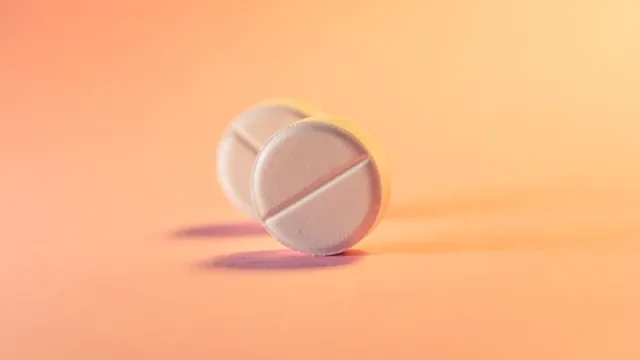
A medical abortion is usually, but not always, a multistep process. First, you’ll take one mifepristone tablet to stop the pregnancy from progressing. After waiting 1 to 2 days, you’ll take your first dose of misoprostol tablets.
Within 4 to 6 hours after taking misoprostol, you’ll start to have cramping and heavy bleeding. If you don’t bleed heavily enough to pass the pregnancy tissue, you may need to take additional doses of misoprostol.
Mifepristone blocks a hormone called progesterone. Progesterone is needed to start and continue a pregnancy. Misoprostol causes your uterus to empty, which is what ends a pregnancy.
Like a miscarriage, a medical abortion usually causes heavy bleeding, blood clots, and cramping. Most people will pass the pregnancy tissue in their uterus the same day they take misoprostol.
You can also use misoprostol alone to have a medical abortion. This can be a good option if it’s difficult to get mifepristone where you live. Misoprostol by itself may be easier to access than mifepristone in states with more restrictive abortion laws. But it’s less effective than mifepristone and misoprostol together.
The bottom line
A medical abortion can be a safe and effective option for people who want to end a pregnancy in the first trimester. The most effective way to use abortion pills is a combination of mifepristone and misoprostol. You’ll need a prescription from a licensed provider for these medications.
Whether or not you can get medical abortion pills depends on your state. Since the Supreme Court overturned Roe v. Wade and legal protections for abortion, it may now be even more difficult to get abortion pills. But even if your state bans abortion, you may still have options to get your pills mailed to you.
If you need help understanding your options, call the National Abortion Federation hotline at 1-800-772-9100, the Repro Legal Helpline at 1-844-868-2812, or visit the Women’s Reproductive Rights Assistance Project.

Why trust our experts?


References
Abortion Finder. (n.d.). Find a verified abortion provider.
Abortion on Demand. (n.d.). Abortion on demand.
AidAccess. (n.d.). Aid access.
Carafem. (n.d.). Carafem.
Endocrine Society. (2022). Reproductive hormones.
Gambir, K., et al. (2020). Effectiveness, safety and acceptability of medical abortion at home versus in the clinic: A systematic review and meta-analysis in response to COVID-19. BMJ Global Health.
GenBioPro, Inc. (2020). Mifepristone [package insert].
Guttmacher Institute. (2019). Induced abortion in the United States.
Guttmacher Institute. (2021). Medication abortion.
Guttmacher Institute. (2022). Abortion policy in the absence of Roe.
Guttmacher Institute. (2022). Refusing to provide health services.
HowToUseAbortionPill. (n.d.). How to use the abortion pill.
M+A Hotline. (n.d.). M+A hotline.
MaydayHealth. (2022). Abortion at home, in any state. Twitter.
Messery, M. (2022). Abortion laws by state: Where abortions are illegal after Roe v. Wade overturned. Politico.
National Abortion Federation. (n.d.). Abortion: What to expect.
National Abortion Federation. (n.d.). Find a provider.
National Abortion Federation. (n.d.). NAF hotline.
Plan C. (n.d.). Plan C.
Planned Parenthood. (n.d.). How do I get the abortion pill?
Planned Parenthood. (n.d.). How does the abortion pill work?
Planned Parenthood. (2022). Is abortion legal in my state, and what happens if Roe v. Wade is overturned?
Repro Legal Helpline. (n.d.). Repro legal helpline.
Safe2Choose. (n.d.). How to find abortion pills locally.
Safe2Choose. (n.d.). How to have an abortion with Mifepristone and Misoprostol.
Safe2Choose. (n.d.). How to use Misoprostol for abortion.
Sherman, M. (2022). Supreme Court overturns Roe v. Wade; states can ban abortion. Associated Press.
Speer, L. (2019). Misoprostol alone is associated with a high rate of successful first-trimester abortion. American Family Physician.
The American College of Obstetricians and Gynecologists. (2020). Medication abortion up to 70 days of gestation.
Totenberg, N., et al. (2022). Supreme Court overturns Roe v. Wade, ending right to abortion upheld for decades. NPR.
Women Help Women. (n.d.). Women help women.
Women on Web. (n.d.). Women on web.
Women’s Reproductive Rights Assistance Project. (n.d.). WRRAP.