





How Much Is Liothyronine Without Insurance?
Without insurance, liothyronine can cost over $60 for 90 tablets. Read on to learn more about how much liothyronine is without insurance and ways to save.
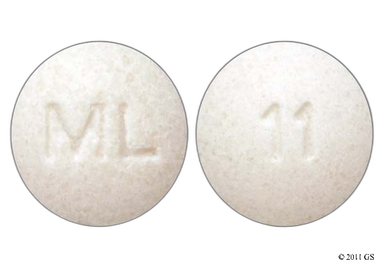
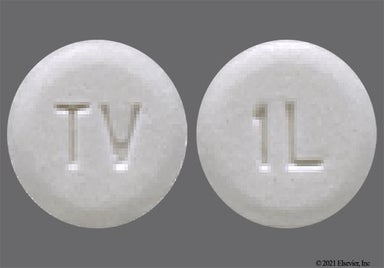
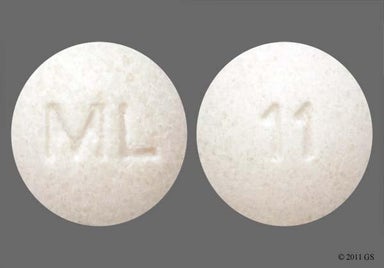
Liothyronine (Cytomel) is a thyroid hormone medication used to treat low thyroid hormone levels (hypothyroidism) and certain other thyroid conditions. It contains triiodothyronine (T3), the active form of thyroid hormone. It comes as a brand-name and generic tablet, and is usually taken by mouth once a day. Although weight loss can be a side effect, it should not be used for weight loss.

Liothyronine (Cytomel) is a lab-made version of triiodothyronine (T3), a natural hormone made by your thyroid. It works by replacing or adding to the T3 your body isn’t making. This helps keep your metabolism, energy, heart rate, and body temperature working properly.
In people with thyroid cancer, liothyronine (Cytomel) is used to keep thyroid-stimulating hormone (TSH) levels low. Lowering TSH might help prevent cancer from coming back after treatment.
| Common Brands | Cytomel |
|---|---|
| Drug Class | Triiodothyronine (T3) |
| Controlled Substance Classification | Not a controlled medication |
| Generic Status | Lower-cost generic available |
| Availability | Prescription only |

The following side effects may get better over time as your body gets used to the medication. Let your healthcare provider know immediately if you continue to experience these symptoms or if they worsen over time.
Signs of having too much thyroid hormones in the body, such as:
Contact your healthcare provider immediately if you experience any of the following.
Along with its needed effects, a medicine may cause some unwanted effects. Although not all of these side effects may occur, if they do occur they may need medical attention.
Check with your doctor immediately if any of the following side effects occur:
Incidence not known
arm, back, or jaw pain
blurred or double vision
chest pain or discomfort
chest tightness or heaviness
crying
decreased bone mineral density
decreased urine output
delusions of persecution, mistrust, suspiciousness, or combativeness
difficulty breathing
dilated neck vein
dizziness
excessive
sweating
extreme tiredness or weakness
fainting
false or unusual sense of well-being
fast, pounding, or irregular heartbeat or pulse
feeling of discomfort
feeling of unreality
headache
heat intolerance
impaired fertility
increased appetite
increased blood pressure
irregular breathing
irritability
itching, skin rash
joint swelling
limp pain in the hip or knee
menstrual changes
mental depression
muscle aches, weakness, or cramps
nervousness
pain or discomfort in the arms, jaw, back, or neck
quick to react or overreact emotionally
rapidly changing moods
restlessness
sense of detachment from self or body
severe headache
slow heartbeat
stomach cramps
swelling of the face, fingers, feet, or lower legs
swollen lymph glands
trouble sitting still
trouble sleeping
vomiting
weight gain or loss
Get emergency help immediately if any of the following symptoms of overdose occur:
Symptoms of overdose
Cold, clammy skin
confusion about identity, place, and time
difficulty in speaking
dizziness
double vision
fast, weak pulse
headache
inability to move the arms, legs, or facial muscles
inability to speak
lightheadedness
loss of consciousness
nervousness
seizure
sensitivity to heat
slow speech
sweating
trouble sleeping
Some side effects may occur that usually do not need medical attention. These side effects may go away during treatment as your body adjusts to the medicine. Also, your health care professional may be able to tell you about ways to prevent or reduce some of these side effects. Check with your health care professional if any of the following side effects continue or are bothersome or if you have any questions about them:
Incidence not known
Feeling of warmth
redness of the face, neck, arms, and occasionally, upper chest
Other side effects not listed may also occur in some patients. If you notice any other effects, check with your healthcare professional.
Call your doctor for medical advice about side effects. You may report side effects to the FDA at 1-800-FDA-1088.




Liothyronine (Cytomel) can cause some serious health issues. This risk may be even higher for certain groups. If this worries you, talk to your doctor or pharmacist about other options.
 Liothyronine (Cytomel) shouldn't be used for weight loss. It’s not recommended, safe, or effective for that purpose. Taking high doses of liothyronine (Cytomel) can cause serious or even life-threatening effects, especially if taken with other medications for weight loss.
Taking too much liothyronine (Cytomel) can cause serious heart problems, especially for older adults or those who have heart disease. Because of this risk, your prescriber might start you on a lower dose.
Contact your prescriber or get medical help right away if you have a fast or irregular heartbeat, chest pain, or shortness of breath. If these symptoms happen, your prescriber may lower your dose or have you stop liothyronine (Cytomel) for a short time before restarting it at a lower dose.
If you have adrenal insufficiency, a condition where your adrenal glands don’t make enough stress hormones, liothyronine (Cytomel) can trigger a serious condition called adrenal crisis if it's started before your adrenal hormone levels are treated. This can happen because thyroid hormone speeds up how your body breaks down steroid hormones, which help you manage stress. To help prevent this, your prescriber will treat your adrenal insufficiency before you start liothyronine (Cytomel). Get medical help right away if you have severe tiredness, stomach pain, dizziness, weakness, or vomiting.
If you have diabetes, Liothyronine (Cytomel) can make it harder to control your blood sugar. Your prescriber might need to adjust your diabetes medications or insulin after you start, stop, or change your dose of liothyronine (Cytomel). Let them know if you notice changes in your blood sugar readings or symptoms like increased thirst, frequent urination, or tiredness.
Taking too much liothyronine (Cytomel) over time can weaken your bones and raise your risk of fractures. This risk is higher in women after menopause. Your prescriber will recommend the lowest dose that keeps your thyroid hormone levels in a healthy range to help lower this risk.


Although certain medicines should not be used together at all, in other cases two different medicines may be used together even if an interaction might occur. In these cases, your doctor may want to change the dose, or other precautions may be necessary. When you are taking this medicine, it is especially important that your healthcare professional know if you are taking any of the medicines listed below. The following interactions have been selected on the basis of their potential significance and are not necessarily all-inclusive.
Using this medicine with any of the following medicines is usually not recommended, but may be required in some cases. If both medicines are prescribed together, your doctor may change the dose or how often you use one or both of the medicines.
Using this medicine with any of the following medicines may cause an increased risk of certain side effects, but using both drugs may be the best treatment for you. If both medicines are prescribed together, your doctor may change the dose or how often you use one or both of the medicines.


Contraindications are specific health conditions or situations in which a person should not take a medication due to safety concerns. If you have any of the following conditions or if any of the following apply to you, let your healthcare provider know because Liothyronine (Cytomel) will not be safe for you to take.











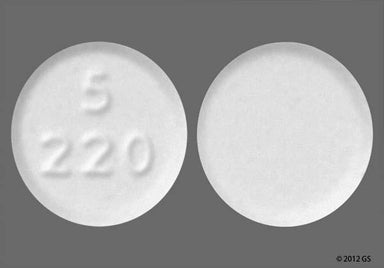

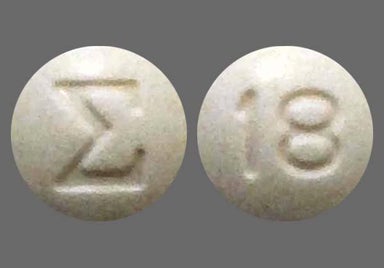
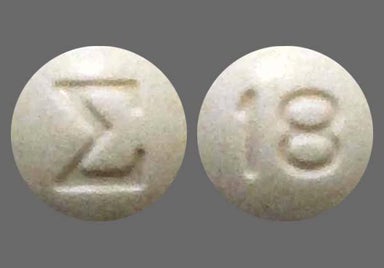
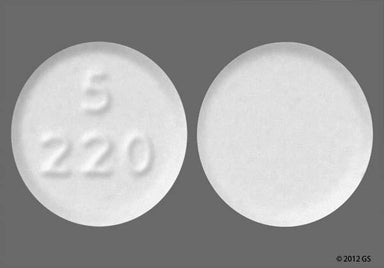
Prescription savings
Stop paying too much for your prescriptions. Compare prices, get pharmacy coupons, and save up to 80%. Find expert answers to your health questions so you can make the best decisions for yourself and your family.
Health conditions
Medications & treatment
Access & affordability
Medication discounts


Yes, Liothyronine can cause weight loss. Replacing missing thyroid hormone can help restore your metabolism, which could lead to some weight loss. It's not safe to take higher doses or use this medication just for weight loss because it can cause serious heart problems, high blood pressure, and other life-threatening side effects.
No. Liothyronine isn't approved for weight loss, and it shouldn't be used as a diet pill. It has a black box warning (the FDA's strongest warning) because thyroid hormone medications aren't safe or effective for treating obesity. If you have hypothyroidism, Liothyronine might help you lose some weight by restoring normal thyroid hormone levels. But if your thyroid hormone levels are normal, it won't help you lose weight, and taking higher doses can be dangerous.
No. Liothyronine and levothyroxine are different thyroid hormone medications. Liothyronine contains triiodothyronine (T3), the active form of thyroid hormone, while levothyroxine contains thyroxine (T4), which your body changes into T3 as needed. Levothyroxine is usually the first-choice treatment for hypothyroidism, but some people might need Liothyronine instead. Talk to your prescriber if you have questions comparing the two.
There isn't much evidence that taking levothyroxine and Liothyronine together works better than taking levothyroxine alone. So treatment guidelines usually don't recommend taking them together. But some people might feel better on the combination, and your prescriber could recommend both if levothyroxine alone isn't enough to manage your thyroid hormone levels. Talk with your prescriber about whether taking both medications is right for you.
Liothyronine isn't FDA approved to treat depression. But some prescribers use it off-label to boost the antidepressant's effect if your current medication isn't working well enough on its own. This isn't a first-choice treatment for depression, so your prescriber will carefully review your medical history and overall health to decide if it's right for you.
Liothyronine is a lab-made version of the T3 thyroid hormone that's normally made by your thyroid gland. It's the active form of the thyroid hormone that helps regulate many bodily functions.
It's usually best to take Liothyronine once a day in the morning, 30 to 60 minutes before eating breakfast. Take it on an empty stomach with a full glass of water to help your body absorb the medication. Try to take it at the same time each day to keep your thyroid hormone levels steady.
Liothyronine starts working in a few hours of taking the dose. The full effect of a single dose can happen within 2 or 3 days, but it can take 1 to 2 weeks for your thyroid hormone levels to stabilize after starting or changing your dose.
