Key takeaways:
Urinary tract infections (UTIs) can cause burning and pain when you go to the bathroom.
Most UTIs need to be treated with antibiotics. But some UTIs will go away on their own without antibiotics after a few days. If you’re pregnant or in a high-risk group, you should start antibiotics right away if you have a UTI.
You can still use at-home UTI treatments to relieve symptoms while you wait for your UTI to go away.
Antibiotics are the standard treatment for urinary tract infections (UTIs). Antibiotics kill the bacteria causing the infection and help your symptoms go away in 1 to 2 days.
But you may be wondering: Is it possible to get rid of a UTI without taking an antibiotic?
Not really. Most of the time, people do need to take an antibiotic to treat a UTI especially if they have a severe UTI or they’re at risk for developing complications from a UTI.
Search and compare options
Here’s a guide to the pros and cons of waiting to start an antibiotic to treat a UTI, as well as other remedies that may help clear the infection.
What is a UTI?
A UTI is an infection in your urinary tract, which is your body’s system for making and removing urine.

The bacteria Escherichia coli (E. coli) causes most UTIs. These bacteria normally live harmlessly in your gut but can invade the urinary tract and cause a UTI.
What are the symptoms of urinary tract infection?
Symptoms of a UTI can include:
Pain or burning while urinating
A need to pee more often
A feeling like your bladder is still full after you urinate
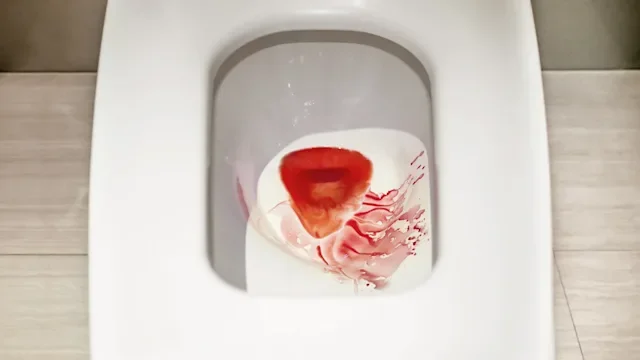
Blood in your urine
Pain in your lower belly
Confusion (especially in older adults)
Back pain
Fever and chills
Nausea and vomiting
How do you get a UTI?
Anyone — young or old — can get a UTI. But some people get them more often than others.
You’re more likely to develop a UTI if you:
Have a vagina
Are pregnant
Are sexually active
Have gone through menopause
Use oral contraceptives
Use a diaphragm or spermicide for birth control
Have diabetes
Have any condition that blocks urine flow (like an enlarged prostate or kidney stone)
Have a catheter (tube to drain urine) or recently had a catheter removed
Have undergone genital surgeries
Can you treat a UTI without antibiotics?
Not really. Antibiotics are the best way to treat a UTI. The right antibiotic will cure a UTI. There’s no definitive proof that alternative treatments work as well as antibiotics for treating a UTI.
Antibiotics quickly get rid of bacteria and make your symptoms go away. In fact, antibiotics can get rid of a UTI in just 24 hours. Most people with a UTI feel back to normal just 1 to 2 days after starting antibiotics. If you’re pregnant, have a weakened immune system, or have a condition that makes you prone to UTIs, you shouldn’t wait to start antibiotics.
Some mild UTIs may go away on their own. This can take up to 1 week. This means you’ll likely experience pain and discomfort during that time. Waiting also puts you at risk for developing complications from UTIs like kidney infections (pyelonephritis).
Drawbacks of antibiotics
Even though antibiotics work well, you might be concerned about antibiotic overuse or side effects. Antibiotics can have some downsides. They can cause side effects, such as:
Nausea
Diarrhea
Vomiting
Rash
Some people can have an allergic reaction or a life-threatening complication. And overuse of antibiotics may also increase antibiotic resistance.
Antibiotics can destroy the “good” bacteria along with the bad. This can lead to other health problems, like a yeast infection or diarrhea. In fact, 22% of women who take antibiotics for a UTI can develop a yeast infection.
What are your options for UTI treatment at home?
If you choose to wait on antibiotics, take steps to help your body stay healthy and fight the infection. Home remedies can help you feel better, but none of them can cure a UTI. It’s best to get medical care if you think you have a UTI. You should get care right away if your symptoms get worse or if you’re at risk for complications from a UTI. Here are some self-care steps you can take to help get rid of a UTI at home.
Stay hydrated
Drinking lots of fluids helps your body make urine. This can flush bacteria out of the urinary tract. Fluids also keep you hydrated, which is helpful for fighting off an infection. Avoid fluids that might irritate your bladder, like alcohol and caffeine.
Urinate frequently
Peeing frequently can help clear the bacteria from your bladder and urethra.
Use heat
Gentle heat can reduce abdominal pain and discomfort. Consider using a hot water bottle or heating pad on your lower belly.
Try over-the-counter pain relievers
Nonsteroidal anti-inflammatory drugs (NSAIDs), like ibuprofen (Advil) and naproxen (Aleve), can lower pain and inflammation. But NSAIDs don’t kill bacteria.
Consider taking phenazopyridine hydrochloride (Azo, Uristat)
Phenazopyridine hydrochloride medications, like Azo and Uristat, soothe the walls of your urethra and bladder, which can lower pain, burning, and discomfort. Note that these medications shouldn’t be used for more than 2 days. Using them for longer could cover up symptoms of a more serious infection.
6 natural remedies for UTI treatment
Many people are curious about whether foods and supplements may be a natural treatment for UTIs. These treatments can’t replace antibiotics. But they may help ease symptoms when you’re already receiving treatment. So if you feel like they’re helpful for you — or you’ve had a positive experience in the past — it might be safe to go ahead and add them to your antibiotic treatments.
Keep in mind that the FDA doesn’t regulate vitamins and supplements. You should also check with a healthcare professional before taking any supplement on a regular basis, especially if you’re pregnant, take other medications, or have any health conditions.
1. Cranberry juice and products
2. Lactobacillus probiotics
3. Vitamin C (ascorbic acid)
4. D-mannose
5. Uva-ursi (bearberry)
6. Canephron N
Can a UTI go away on its own?
If you have a mild infection in your bladder, there’s a small chance it can go away on its own over a few days. But most UTIs will not go away on their own without antibiotics.
Some people with a mild bladder infection may be able to hold off on antibiotics for a couple of days to see what happens. But this approach isn’t safe for people who:
Are pregnant
Have a weakened immune system
Have a penis
Have an enlarged prostate, or problems emptying their bladder
Have a history of kidney stones or kidney problems
Have diabetes
Have a catheter or ureteral stent
Get care right away if you have one of these conditions. You shouldn’t wait to see if your infection clears up on its own.
A “wait-and-see” approach is also not safe if you have an infection in your kidneys or another part of the urinary tract besides your bladder.
Get medical care right away if you have any symptoms that mean the UTI has spread to your kidneys, including:
Fever
Chills
Nausea
Vomiting
Back pain
Blood in your urine
Intense pain when urinating
Changes in your urine color
Changes in how much you’re urinating
It can be hard to tell where your infection is based on just your symptoms. So it’s always best to get medical care as soon as possible if you have UTI symptoms.
How long will a UTI last without antibiotics?
In some studies, about 1 in 4 women with mild bladder infections got better within 1 week without antibiotics. But, it’s hard to predict how long it will take for your UTI to go away and if it will go away completely. For many people, the symptoms are just too uncomfortable to wait and see. And it isn’t a safe approach for many people.
Are there risks to not treating a UTI with antibiotics?
Yes, there are risks to not taking antibiotics and waiting to start antibiotics. Even a mild UTI can cause major pain and discomfort. UTI symptoms can also get in the way of your personal life or make you miss work.
Also, an untreated mild UTI can spread to the kidneys. The risk is much higher for people who are pregnant, have a weakened immune system, or have a medical condition that affects their kidneys or bladder. The risk is also higher for people who’ve had urinary tract surgery, such as prostate surgery or ureteral stent placement.
Kidney infections can lead to permanent kidney damage. Sometimes the bacteria can spread beyond the urinary tract, infecting blood or other body tissues. This can lead to a life-threatening infection, or even death.
How can you prevent UTIs?
If you’ve had a UTI, there’s a chance that you’ll have another one in the future. In fact, about 1 in 3 women with a UTI will have another one within 6 months. So, what can you do to help prevent UTIs? Fortunately, there are many nonmedication strategies that may help prevent UTIs from recurring.
Here are some ideas that can help prevent UTIs:
Stay hydrated.
Avoid douching.
Avoid using perfumed menstrual products.
Use mild (or no) soap when cleaning your genital area.
Wipe front to back when using the bathroom.
Change menstrual and incontinence pads often.
Empty your bladder after sex.
Only use clean hands or clean sex toys on your genitals (especially if they have touched your anus or anal area).
Avoid using spermicides.
In some cases, a healthcare professional may actually suggest antibiotics to prevent UTIs — especially if you get them frequently. In people who have gone through menopause, hormone therapy (estrogen) may also help to protect against UTIs by encouraging Lactobacillus to flourish.
Frequently asked questions
Yes, it’s possible to have a urinary tract infection (UTI) without pain. This is more common in adults older than 65 years. People with a history of medical conditions or surgeries affecting the bladder or urinary tract may also not experience pain when urinating.
Bacterial UTIs aren’t contagious. Someone with a bladder infection or a kidney infection cannot pass their infection to another person.
Emotional and physical stress will not cause a urinary tract infection. Long-term physical stress can weaken the immune system, which can put you at risk of developing an infection, such as a UTI.
Yes, it’s possible to have a urinary tract infection (UTI) without pain. This is more common in adults older than 65 years. People with a history of medical conditions or surgeries affecting the bladder or urinary tract may also not experience pain when urinating.
Bacterial UTIs aren’t contagious. Someone with a bladder infection or a kidney infection cannot pass their infection to another person.
Emotional and physical stress will not cause a urinary tract infection. Long-term physical stress can weaken the immune system, which can put you at risk of developing an infection, such as a UTI.
The bottom line
Urinary tract infections (UTIs) are infections of the bladder, urethra, and kidney. Simple bladder infections may go away on their own in about a week — even without antibiotics. But this “wait-and-see” approach isn’t safe for everyone. It’s best to get care as soon as possible if you have symptoms of a UTI.
Keep in mind that antibiotics help symptoms go away faster and will cure your UTI. Whether you start antibiotics right away, you can try at-home treatments for UTIs to lessen your symptoms. Fluids, NSAIDs, and phenazopyridine hydrochloride (Azo) can help you stay comfortable while you wait for your UTI to go away or for antibiotics to start working.

Why trust our experts?




References
Arnold, J. J., et al. (2016). Common questions about recurrent urinary tract infections in women. American Family Physician.
Bergamin, P. A., et al. (2017). Non-surgical management of recurrent urinary tract infections in women. Translational Andrology and Urology.
Blumberg, J. B., et al. (2013). Cranberries and their bioactive constituents in human health. Advances in Nutrition.
Colgan, R., et al. (2011). Diagnosis and treatment of acute uncomplicated cystitis. American Family Physician.
Domenici, L., et al. (2016). D-mannose: A promising support for acute urinary tract infections in women. A pilot study. European Review for Medical and Pharmacological Sciences.
Foxman, B., et al. (2013). Alternative approaches to conventional treatment of acute uncomplicated urinary tract infection in women. Current Infectious Disease Reports.
Hempel, S., et al. (2012). Probiotics for the prevention and treatment of antibiotic-associated diarrhea. A systematic review and meta-analysis. JAMA.
Hoffman, J., et al. (2016). The cure for UTIs? It’s not cranberries. The New York Times.
Institute for Quality and Efficiency in Health Care. (2026). Acute cystitis: Research summaries — how effective are antibiotics in treating acute cystitis? InformedHealth. National Library of Medicine.
Lenger, S. M., et al. (2020). D-mannose vs other agents for recurrent urinary tract infection prevention in adult women: A systematic review and meta-analysis. American Journal of Obstetrics and Gynecology.
Mody, L., et al. (2019). Urinary tract infections in older women: A clinical review. JAMA.
Moore, M., et al. (2019). Uva-ursi extract and ibuprofen as alternative treatments for uncomplicated urinary tract infection in women (ATAFUTI): A factorial randomized trial. Clinical Microbiology and Infection.
Naber, K. G., et al. (2019). UTI − quo vadis? New alternatives to treat uncomplicated urinary tract infections. Clinical Phytoscience.
Nassiri, N., et al. (2020). Urethral complications after gender reassignment surgery: A systematic review. International Journal of Impotence Research.
National Health Service. (2025). Kidney infection.
National Health Service. (2023). Overview: Urinary catheter.
National Institute of Diabetes and Digestive and Kidney Diseases. (2020). The urinary tract and how it works. National Institute of Health.
NHS Inform. (2025). Cystitis.
Office of Dietary Supplements. (2021). Vitamin C. National Institute of Health.
Office on Women’s Health. (2021). Urinary tract infections. U.S. Department of Health and Human Services.
Pray, W. S., et al. (2012). Urinary tract infections and the role of nonprescription products. U.S. Pharmacist.
Schwenger, E. M., et al. (2015). Probiotics for preventing urinary tract infections in adults and children (review). The Cochrane Collaboration.
Urology Care Foundation. (2020). Did you know? Ureteral stents.
Wagenlehner, F. M., et al. (2018). Non-antibiotic herbal therapy (BNO 1045) versus antibiotic therapy (fosfomycin trometamol) for the treatment of acute lower uncomplicated urinary tract infections in women: A double-blind, parallel-group, randomized, multicentre, non-inferiority phase III trial. Urologia Internationalis.
Wawrysiuk, S., et al. (2019). Prevention and treatment of uncomplicated lower urinary tract infections in the era of increasing antimicrobial resistance—non-antibiotic approaches: A systemic review. Archives of Gynecology and Obstetrics.
Yu, Z., et al. (2020). Efficacy of nonsteroidal anti-inflammatory drugs for treatment of uncomplicated lower urinary tract infections in women: A meta-analysis. Infectious Microbes and Diseases.