Key takeaways:
Substance use disorders — more commonly referred to as addictions — are common, treatable conditions.
Cannabis and CBD have been shown to relieve some of the symptoms people experience after substance use, such as anxiety and pain.
Cannabis is not considered an effective treatment for substance use disorders, but it may help reduce the harm caused by other substances.
Our brains are wired to seek pleasure. Things that make us feel good trigger brain chemistry in a way that encourages us to repeat those behaviors. This is true for revisiting a delicious restaurant — or using mind-altering substances. Underneath our conscious awareness, our brains are designed to repeat pleasurable behaviors.
Because of this, substance use can turn into a disorder, known as substance use disorder. This is also commonly referred to as addiction. Substance use disorders are common, affecting more than 35 million people worldwide. They are also treatable.
Most treatment options for substance use involve support groups, medications, or therapy — or a combination. But more recent research is exploring the role of cannabis and CBD as well (we’ll define those terms below).
Read on to learn about the role of cannabis and CBD in recovery from substance use disorder. We’ll also cover if cannabis itself is addictive, and offer some ways to get help for substance use.
How could cannabis or CBD help people with substance use disorders?
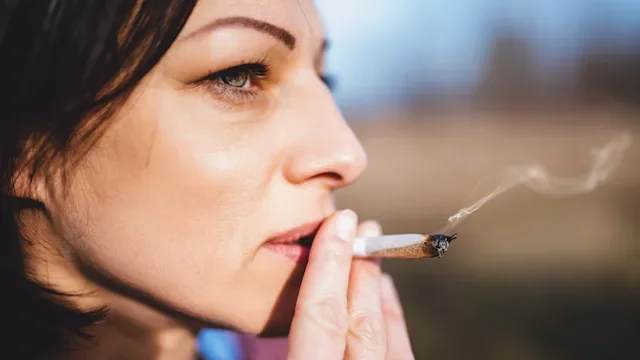
First, let’s define some terms. When we say “cannabis,” we are referring to the cannabis sativa plant. The word “marijuana” refers to varieties of cannabis that have mind-altering properties.
The two major cannabinoids in this plant are THC (tetrahydrocannabinol) and CBD (cannabidiol). THC is the active part of the plant that creates the characteristic “high” feeling. Meanwhile, CBD doesn’t cause a high.
Both cannabis and CBD have been shown to help with some, but not all, of the symptoms of substance use disorders. Some of the most common symptoms of substance use disorders include:
Difficulty controlling how much of a substance you use
Social problems such as strained relationships or trouble at work
Tolerance (needing more to get the same effect)
Withdrawal symptoms when you stop using
Risky use, such as continued use despite negative consequences
Below, we will go into some of the ways that cannabis and CBD can help with substance use disorder symptoms.
Craving and consumption
Cravings are strong desires to use drugs or alcohol. They can be triggered by negative emotions. When someone has a craving, it can lead to using drugs or alcohol. Some important triggers for drug cravings are chronic pain, stress, and anxiety.
Both cannabis and CBD are widely used to reduce pain, stress, and anxiety. Because of this, experts are looking into whether they could help with cravings for other substances.
For example, many studies have shown that cannabis use helps people to either reduce or stop using opioids. Most of these studies have been done in people who use opioids for pain relief. But similar effects have been found in people who inject opioids such as heroin and fentanyl.
Cannabis use has also been linked with decreased use of other pharmaceuticals, alcohol, and tobacco.
When it comes to CBD, in a study of people who misused opioids, a single high dose of CBD prevented both drug-related anxiety and opioid cravings for a whole week. For people with cocaine use disorder, however, a similar dose of CBD was not effective.
Withdrawal
If a person keeps using a substance, they can develop physical dependence for it. Then, if they take a break, they can experience a wide range of symptoms. These effects are known as withdrawal symptoms. Each substance has its own pattern of withdrawal. Some common symptoms include poor sleep, irritability, and negative mood.
For example, when people stop using opioids, withdrawal is often so unpleasant that people resume using them, even if it creates other problems in their life. Some of the most common opioid withdrawal symptoms are:
Pain and body aches
Nausea
Anxiety
Irritability
Low appetite
There is a lot of potential for cannabis to treat opioid withdrawal symptoms. Cannabis and CBD are widely used to reduce pain, nausea, and anxiety. Cannabis is also known for its ability to improve appetite and mood.
Similar to opioids, nicotine withdrawal is what smokers feel when they quit using tobacco products. The withdrawal symptoms can be so unpleasant that someone will go back to smoking. A single dose of CBD has not been shown to be helpful for nicotine withdrawal. But it does reduce some of the pleasantness of cigarettes, which may help people cut back.
Can cannabis and CBD act as a substitute for other substances?
Harm reduction means preventing overdose and improving health for people who use drugs. Some examples are distributing clean drug-use supplies and setting up supervised injection sites.
Another important harm reduction strategy is substituting one substance with a less dangerous one. A good example of this is buprenorphine (Suboxone). Buprenorphine is used to substitute for more dangerous opioids like heroin.
People commonly use cannabis as a substitute for other, more dangerous drugs. Examples of these other drugs are cocaine, methamphetamine, and opioids — as well as alcohol. People have various reasons for turning to cannabis. Compared to other substances, people tend to think that cannabis is:
Safer and less addictive
Effective for mind-altering effects or symptom relief
Easier to access
More socially acceptable
Some Canadian treatment centers are even using cannabis as a part of their formal treatment plan for individuals with alcohol use disorder. Currently, this treatment strategy isn’t widely used in the U.S. Also, more research is needed to know the long-term benefits and risks of substituting alcohol with cannabis. But preliminary studies suggest that:
Cannabis is less harmful than alcohol (it has fewer health impacts).
Consuming too much cannabis is safer than overdosing on alcohol.
On a society level, the healthcare costs of cannabis use are less than alcohol use.
Substitution doesn’t entirely get rid of a person’s substance use. But it is a critical tool to help avoid health complications and overdose. Substitution is also a more realistic alternative to drug abstinence — staying away from drugs completely — which doesn’t work for all people.
Interestingly, cannabis might also help people stay committed to their drug treatment plan. For example, cannabis might relieve some withdrawal symptoms — like anxiety — when other medications aren’t working properly.
Cannabis could also improve the effectiveness of treatments like naltrexone (Vivitrol), which help people recover from opioid use. But there is still a lot we don’t understand about how cannabis interacts with other medications and substances. So it’s important to talk to your healthcare provider about cannabis and medication interactions.
Can cannabis and CBD help you taper off of other substances?
Sometimes people have a difficult time completely substituting one substance for another. In this case, cannabis and CBD could still be used to reduce the doses of other substances such as:
Opioids
Stimulants (methamphetamine and cocaine)
Alcohol
Essentially, cannabis helps to reduce the doses of other substances by giving people similar benefits with fewer problems. Just like drug substitution, dose reduction happens somewhat automatically, when people view cannabis as safer, easier to access, and more socially acceptable than other drugs.
Substance use has great risks like health complications, overdose, and death. These risks occur when someone takes the highest dose or amount of the substance. By reducing doses, cannabis and CBD may provide some important health protections. However, more research is needed to know this for sure.
Is cannabis addictive?
Cannabis can activate the pleasure circuits in our brain. Because of this, it can be habit forming. Like all substance use disorders, cannabis misuse falls on a spectrum. The most extreme form is a diagnosable condition called cannabis use disorder.
The addictive properties of cannabis are due to the mind-altering chemical THC. CBD is the second-most-common chemical found in cannabis. It does not cause impairment and it is not addictive.
The risk for cannabis use disorder is hard to measure. Recent research, however, suggests that between 5% and 22% of people who have tried cannabis may develop a cannabis use disorder. As more adults gain access to legal cannabis, ongoing research will be needed to understand the true impact of legalization on the risk for cannabis use disorder.
Can cannabis use during recovery trigger a relapse?
There is no evidence that using cannabis can cause a relapse to using other, more dangerous substances. On the contrary, there is a growing body of evidence that cannabis and CBD might be important tools to prevent relapse.
However, cannabis use could be considered a warning sign that a person is vulnerable to relapse. Many people use cannabis as a self-medication strategy when they aren’t feeling well. So, cannabis use could be a red flag that it’s time to seek additional support.
What treatments exist for substance use disorder?
Cannabis and CBD appear to be useful for relieving some withdrawal symptoms and coping with negative feelings. However, cannabis should be used mindfully and in moderation to avoid negative consequences.
To move away from harmful substance use, a person may need to use several treatment strategies at the same time. Examples of these are peer support, counseling, and mindfulness.
Medication-assisted treatment (MAT) is another option. Other people may need treatment in a medical facility, such a supervised detox.
Substance use disorders can sometimes be hard to recognize. This is why it is important to reach out for help if you think you or someone else may have a substance use disorder.
For some people, cannabis might not work at all. Others may find it to be a helpful addition to their recovery plan. Either way, it is a reminder that everyone's recovery journey looks a little different.
The bottom line
Cannabis and CBD may help people reduce or stop using other substances by offering similar benefits with fewer risks. Cannabis may also reduce some withdrawal symptoms, and give people a way to cope with negative emotions during recovery. Cannabis use is not risk-free. But it may play an important role in harm reduction. It can reduce one’s chances of health complications, as compared to using other substances. Also, it doesn’t carry the same risk of fatal overdose as some substances do.

Why trust our experts?



Keep in mind that cannabis is legal in some states for recreational and/or medicinal use, but not in others. Cannabis is still illegal under federal law. Before you use cannabis products, find out the laws in your state.
References
Addiction Policy Forum. (2020). DSM-5 criteria for addiction simplified.
Babalonis, S., et al. (2017). Oral cannabidiol does not produce a signal for abuse liability in frequent marijuana smokers. Drug and Alcohol Dependence.
Chiang, W., et al. (1990). The medical complications of drug abuse. The Medical Journal of Australia.
Greis, A., et al. (2021). Perceived efficacy, reduced prescription drug use, and minimal side effects of cannabis in patients with chronic orthopedic pain. Cannabis and Cannabinoid Research.
Healthwise. (2021). Learning about cannabis use disorder. Alberta.
Hindocha, C., et al. (2018). Cannabidiol reverses attentional bias to cigarette cues in a human experimental model of tobacco withdrawal. Addiction (Abingdon, England).
Hurd, Y. L., et al. (2019). Cannabidiol for the reduction of cue-induced craving and anxiety in drug-abstinent individuals with heroin use disorder: A double-blind randomized placebo-controlled trial. American Journal of Psychiatry.
Lake, S., et al. (2021). The cannabis-dependent relationship between methadone treatment dose and illicit opioid use in a community-based cohort of people who use drugs. Cannabis and Cannabinoid Research.
Leung, J., et al. (2020). What is the prevalence and risk of cannabis use disorders among people who use cannabis? A systematic review and meta-analysis. Addictive Behaviors.
Lucas, P., et al. (2019). Medical cannabis patterns of use and substitution for opioids & other pharmaceutical drugs, alcohol, tobacco, and illicit substances; results from a cross-sectional survey of authorized patients. Harm Reduction Journal.
Lupica, C. R., et al. (2004). Marijuana and cannabinoid regulation of brain reward circuits. British Journal of Pharmacology.
Maroon, J., et al. (2018). Review of the neurological benefits of phytocannabinoids. Surgical Neurology International.
Mok, J., et al. (2021). Use of cannabis for harm reduction among people at high risk for overdose in Vancouver, Canada (2016-2018). American Journal of Public Health.
Mongeau-Pérusse, V., et al. (2022). Cannabidiol effect on anxiety symptoms and stress response in individuals with cocaine use disorder: Exploratory results from a randomized controlled trial. Journal of Addiction Medicine.
National Center for Complementary and Integrative Health. (2019). Cannabis (marijuana) and cannabinoids: What you need to know.
National Conference of State Legislatures. (2022). State medical cannabis laws.
National Institute on Drug Abuse. (2019). How to recognize a substance use disorder.
Navarrete, F., et al. (2021). Role of cannabidiol in the therapeutic intervention for substance use disorders. Frontiers in Pharmacology.
Peng, J., et al. (2022). A narrative review of molecular mechanism and therapeutic effect of cannabidiol (CBD). Basic & Clinical Pharmacology & Toxicology.
Raby, W. N., et al. (2009). Intermittent marijuana use is associated with improved retention in naltrexone treatment for opiate-dependence. American Journal on Addictions.
Reddon, H., et al. (2020). Frequent cannabis use and cessation of injection of opioids, Vancouver, Canada, 2005-2018. American Journal of Public Health.
Reiman, A. (2009). Cannabis as a substitute for alcohol and other drugs. Harm Reduction Journal.
Subbaraman, M. S. (2014). Can cannabis be considered a substitute medication for alcohol? Alcohol and Alcoholism.
Substance Abuse and Mental Health Services Administration. (2021). Key substance use and mental health indicators in the United States: Results from the 2020 national survey on drug use and health.
Substance Abuse and Mental Health Services Administration. (2022). SAMHSA’s national helpline.
United Nations Office on Drugs and Crime. (2019). World drug report 2019: 35 million people worldwide suffer from drug use disorders while only 1 in 7 people receive treatment.
Wallis, D., et al. (2022). Predicting self-medication with cannabis in young adults with hazardous cannabis use. International Journal of Environmental Research and Public Health.
Wiese, B., et al. (2018). Emerging evidence for cannabis' role in opioid use disorder. Cannabis and Cannabinoid Research.