Key takeaways:
Obstructive sleep apnea (OSA) is a common sleep-related condition that can lead to more serious health problems. Surgery may be an option, especially if other treatments haven’t worked. A variety of surgical procedures can address OSA.
Without insurance, sleep apnea surgery costs range from less than $10,000 to more than $100,000. The price can start at $30,000 if your surgery involves the implantation of a hypoglossal nerve stimulator known as Inspire. Costs can soar to $100,000 or more for maxillomandibular advancement (MMA).
With insurance, your out-of-pocket costs will largely depend on how your plan covers sleep apnea surgery and where the procedure is performed.
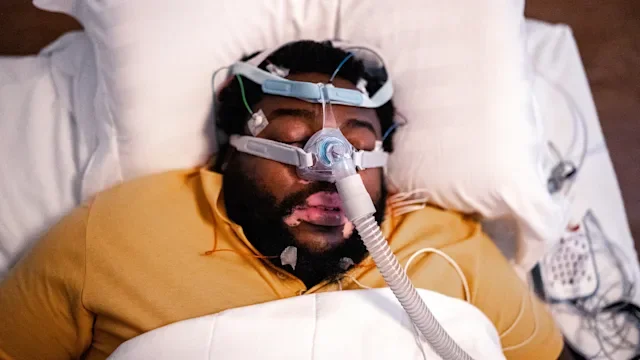
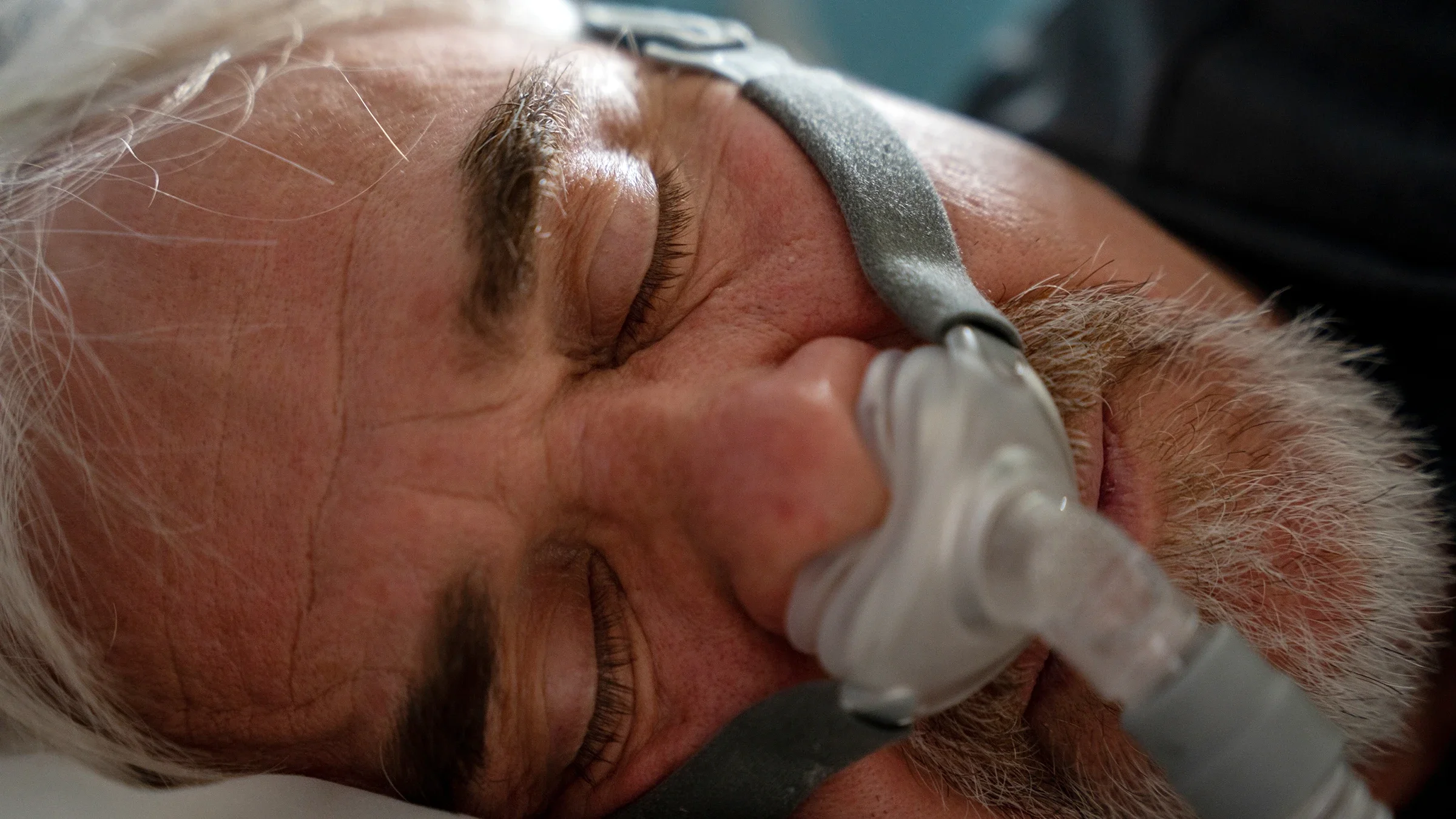
Obstructive sleep apnea (OSA) is a common sleep disorder. People with OSA have abnormal breathing patterns during sleep. These include short periods of not breathing, or apnea. But the condition can also have a significant impact on your life when you’re awake. OSA can lead to excessive daytime tiredness and an increased risk for developing heart disease.
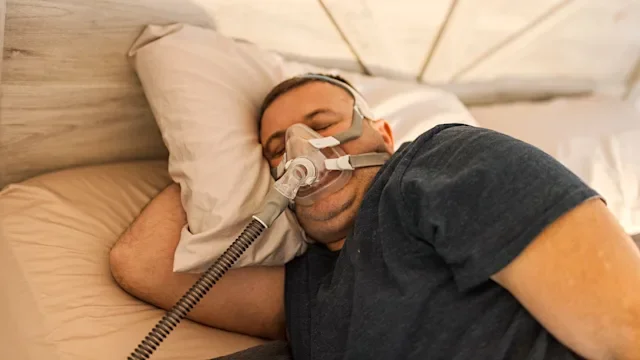
The most common OSA treatment is positive pressure with a continuous positive airway pressure (CPAP) machine. But there are other ways to address the condition, including using oral devices and making lifestyle changes. If those techniques don’t work, sleep apnea surgery may be an option for some people.
How much does sleep apnea surgery cost?
Without insurance, the average cost of sleep apnea surgery ranges from less than $10,000 for common nasal and throat surgeries to more than $100,000 for more complex procedures, according to CareCredit, a medical credit card company.
Here are sample prices for popular OSA surgical treatments:
Turbinate reduction surgery: Without insurance, the average price for a basic procedure is more than $5,000 nationwide, according to MDsave, a price-shopping tool for people without insurance or those with high-deductible health plans. If you also need septoplasty, to straighten a deviated nasal septum, expect to spend $3,500 to $11,000.
Uvulopalatopharyngoplasty: Known as UPPP, this surgery can cost $2,000 to more than $10,000 without insurance.
Inspire implant: Without insurance, the FDA-approved hypoglossal nerve stimulator is about $25,000 for the device. When you add the cost of the surgery to implant Inspire, the charges range from $30,000 to $50,000.
Maxillomandibular advancement: This major surgery, known as MMA, can cost $80,000 to $100,000 without insurance.
It’s important to note that the cost of these procedures can also vary depending on whether you have a bundled price or charges for each associated service. A separate charge for anesthesia, for instance, could raise the cost. Where you have the surgery can affect your bottom line too. Going to an outpatient surgery center or having an in-office procedure is often less costly than having the procedure done at a hospital.
MDsave lists national and regional price ranges for a turbinate resection with septoplasty. Without insurance, the national average for this procedure was more than $17,000 as of June 2026.
Here are some regional averages for a turbinate resection with septoplasty purchased through MDsave. These were the prices as of June 2026:
Factors that can influence sleep apnea surgery costs
Several factors can influence how much your sleep apnea surgery costs. They include:
Surgery type: If a device is needed and the procedure is complex, that can increase costs.
Surgeon’s fees: Your doctor’s experience, among other reasons, can influence these charges.
Anesthesia: The cost of the anesthesiologist and anesthesia are separate.
Facility fees: The operating site, whether in a hospital or a surgical center, can affect the price. Other overhead costs, such as facility fees, are additional.
Location: Surgery centers often cost less than hospital facilities.
Complications: Postsurgical issues can drive up costs.
What are the types of sleep apnea surgery?
Several types of surgery can address sleep apnea, including:
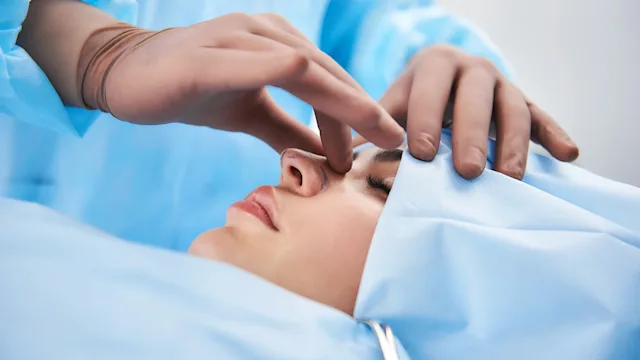
Nasal: Nasal surgeries that treat OSA include turbinate reduction, nasal valve surgery, septoplasty, and rhinoplasty.
Upper throat: Sometimes, tonsil or adenoid removal is an option. Also, a procedure called UPPP can remove excess tissue and widen the airway.
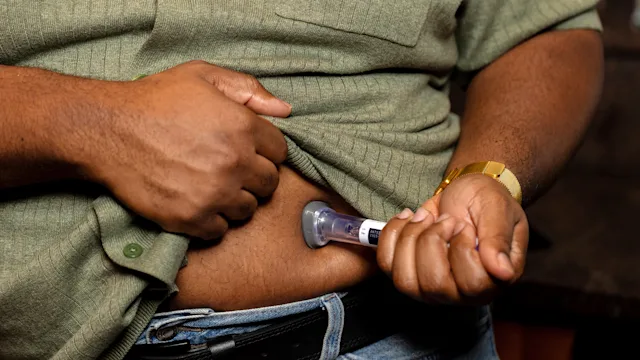
Upper airway stimulation: Hypoglossal nerve stimulation involves a surgical implant. As of June 2026, the only FDA-approved implant for this purpose is Inspire.
Tongue and lower throat: A lower-throat treatment, such as tongue base reduction surgery, is sometimes used to address OSA.
Maxillomandibular advancement: MMA is major facial and oral surgery that moves the bones of the upper and lower jaw forward to treat OSA.
What causes sleep apnea?
There are many reasons why someone might have sleep apnea. The condition can be caused by physical features, such as jaw shape or neck size, and other factors, like body size.
Some people are at higher risk for developing sleep apnea than others. Risk factors that increase the likelihood of having OSA include:
Male sex
Older age
Larger body shape and size
Certain medications
Certain medical conditions
Genetic predisposal
Does insurance cover sleep apnea surgery?
Yes, insurance plans typically cover sleep apnea surgery. But your recommended procedure may qualify for coverage only under certain circumstances. And you could still have significant out-of-pocket expenses. Check with your health plan to determine your specific benefits.
For instance, if you have original Medicare, UPPP and MMA are covered only under certain circumstances, according to the Centers for Medicare & Medicaid Services. And the Inspire implant is covered only if you meet eligibility requirements. With Medicare Advantage, coverage of UPPP, MMA, and Inspire meet or exceed original Medicare’s benefits.
Most major private insurance plans cover Inspire for people who have not had success with a CPAP machine. The implant is also available at select Veterans Affairs hospitals, as well as certain military hospitals and clinics.
Sleep apnea surgery candidates
The type of surgery that’s recommended depends on your condition and symptoms. Generally, you may qualify for sleep apnea surgery if you have one or several of the following:
A diagnosis of moderate-to-severe OSA
Brief breathing interruptions while you sleep
Loud snoring before breathing interruptions
You wake up out of breath
Daytime drowsiness and headaches
Memory and focus problems
Irritability or mood changes
Lifestyle measures that can lower costs
Lifestyle changes may improve your OSA and help your symptoms improve without surgery. Some of these steps include:
Maintaining a sleep schedule
Remaining consistent with CPAP therapy
Elevating your head while you sleep
Weight management (a nutritious diet, regular exercise, weight-loss medications)
Limiting alcohol consumption and smoking
Avoiding sedatives
Frequently asked questions
Sleep apnea surgery typically lasts 1 to 3 hours, but it depends on the procedure.
The 3% rule involves OSA diagnosis criteria. The American Academy of Sleep Medicine (AASM) defines OSA as decreased airflow associated with at least a 3% drop in oxygen saturation or an arousal (waking up). But Medicare requires at least a 4% drop in oxygen saturation, which doesn’t include arousals, to cover treatment. The 3% threshold allows more people to be eligible for an OSA diagnosis. But some insurance plans have stricter requirements to qualify for covered CPAP therapy and other treatments.
The best surgery for your sleep apnea depends on several factors, including:
The cause of your OSA as determined by sleep study findings
Your oral and throat anatomy, such as where your airway collapses during sleep
Your preferences
The procedure’s likelihood of success
To qualify for the Inspire implant, you must meet the following eligibility requirements:
Have moderate-to-severe OSA
Have CPAP machine intolerance or an inability to get consistent benefits from the device
Be at least 18 years old, though some practices require candidates to be age 22
Have a body mass index (BMI) of 40 or lower
Have had a qualifying drug-induced sleep endoscopy examination
Be healthy enough for a 2-hour surgery
Most health insurance plans cover at least some of the costs of a CPAP machine. If you have original Medicare, a CPAP machine is considered durable medical equipment. It’s covered if the device is medically necessary and prescribed for use in your home. CPAP machines are covered whether they’re purchased or rented. Medicare Advantage plans meet or exceed these benefits.
Without insurance, the average cost of a CPAP machine is $500 to $1,000. Other sleep apnea machines may also be able to help you with OSA, such as:
Auto-adjusting positive airway pressure (APAP) machines, which are sometimes called auto-adjusting CPAP machines
Bi-level positive airway pressure (BiPAP or BPAP) machines, which give you higher positive air pressure as you inhale
Travel or portable sleep apnea devices
The initial setup for these machines can be $500 to more than $3,000, depending on a device’s features.
Sleep apnea surgery typically lasts 1 to 3 hours, but it depends on the procedure.
The 3% rule involves OSA diagnosis criteria. The American Academy of Sleep Medicine (AASM) defines OSA as decreased airflow associated with at least a 3% drop in oxygen saturation or an arousal (waking up). But Medicare requires at least a 4% drop in oxygen saturation, which doesn’t include arousals, to cover treatment. The 3% threshold allows more people to be eligible for an OSA diagnosis. But some insurance plans have stricter requirements to qualify for covered CPAP therapy and other treatments.
The best surgery for your sleep apnea depends on several factors, including:
The cause of your OSA as determined by sleep study findings
Your oral and throat anatomy, such as where your airway collapses during sleep
Your preferences
The procedure’s likelihood of success
To qualify for the Inspire implant, you must meet the following eligibility requirements:
Have moderate-to-severe OSA
Have CPAP machine intolerance or an inability to get consistent benefits from the device
Be at least 18 years old, though some practices require candidates to be age 22
Have a body mass index (BMI) of 40 or lower
Have had a qualifying drug-induced sleep endoscopy examination
Be healthy enough for a 2-hour surgery
Most health insurance plans cover at least some of the costs of a CPAP machine. If you have original Medicare, a CPAP machine is considered durable medical equipment. It’s covered if the device is medically necessary and prescribed for use in your home. CPAP machines are covered whether they’re purchased or rented. Medicare Advantage plans meet or exceed these benefits.
Without insurance, the average cost of a CPAP machine is $500 to $1,000. Other sleep apnea machines may also be able to help you with OSA, such as:
Auto-adjusting positive airway pressure (APAP) machines, which are sometimes called auto-adjusting CPAP machines
Bi-level positive airway pressure (BiPAP or BPAP) machines, which give you higher positive air pressure as you inhale
Travel or portable sleep apnea devices
The initial setup for these machines can be $500 to more than $3,000, depending on a device’s features.
The bottom line
Obstructive sleep apnea is a common condition that causes people to snore and to stop breathing for short periods while they sleep. When other treatments don’t work, surgery may be an option. Sleep apnea procedures run the gamut from simple fixes to major nose and throat procedures.
Without insurance, the price for sleep apnea surgery ranges from less than $10,000 to more than $100,000. But costs can reach or exceed $30,000 for a hypoglossal nerve stimulator (the Inspire implant). A jaw repositioning surgery known as maxillomandibular advancement (MMA) could cost $100,000. Most health plans cover sleep apnea surgery, at least in part. With insurance, your out-of-pocket costs will depend on what your plan covers and where the surgery is performed.

Why trust our experts?


References
Alnemri, A., et al. (2022). Cost of total intravenous anesthesia versus inhalation anesthesia in obstructive sleep apnea surgery. The Laryngoscope.
Berry, R. B., et al. (2022). A transition to the American Academy of Sleep Medicine–recommended hypopnea definition in adults: Initiatives of the Hypopnea Scoring Rule Task Force. Journal of Clinical Sleep Medicine.
Carrasco-Llatas, M., et al. (2019). Drug-induced sleep endoscopy: Technique, indications, tips and pitfalls. Healthcare.
Clark, B. (2025). How much does a CPAP machine cost? Sleep Foundation.
Clark, B. (2026). Does insurance cover CPAP machines? Sleep Foundation.
CMS.gov. (2025). Hypoglossal nerve stimulation for the treatment of obstructive sleep apnea. Centers for Medicare & Medicaid Services.
CMS.gov. (2025). Surgical treatment of obstructive sleep apnea (OSA). Centers for Medicare & Medicaid Services.
CPAP Shop. (n.d.). Portable travel CPAP machines.
Dr. Philip A. Matorin. (n.d.). Septoplasty.
Dwilson, S. (2024). How much does sleep apnea surgery cost? CareCredit.
Insomnia and Sleep Institute of Arizona. (2025). Comparing Inspiring and Remedē: Which one is appropriate for your sleep condition?
Inspire. (n.d.). How much does Inspire therapy cost?
Inspire. (n.d.). A proven sleep apnea treatment.
John Hopkins Medicine. (n.d.). BiPap.
John Hopkins Medicine. (n.d.). Center for Snoring and Sleep Surgery.
MDsave. (n.d.). Coblation turbinate reduction.
MDsave. (n.d.). Turbinate resection with septoplasty (bilateral) - Cincinnati, Ohio.
MDsave. (n.d.). Turbinate resection with septoplasty (bilateral) - Houston, Texas.
MDsave. (n.d.). Turbinate resection with septoplasty (bilateral) - Kansas City, Missouri.
Medicare.gov. (n.d.). Open implantation of hypoglossal nerve neurostimulator array, pulse generator, and distal respiratory sensor electrode or electrode array. Centers for Medicare & Medicaid Services.
MetroHealth. (n.d.). Sleep apnea surgery.
Motz, K. (n.d.). Hypoglossal nerve stimulation implant for sleep apnea. Johns Hopkins Medicine.
Newsom, R., et al. (2025). UPPP surgery. Sleep Foundation.
North Atlanta ENT & Allergy. (n.d.). 8 lifestyle changes to consider if you have sleep apnea.
NYU Langone Health. (n.d.). Surgery for obstructive sleep apnea.
Penn Medicine. (n.d.). Sleep apnea surgery.
Penn Medicine. (n.d.). Turbinate reduction.
Penn Medicine. (2025). Septoplasty.
Rodrick, D. L. (n.d.). Will non-surgical laser snoring treatment provide the most effective relief? Bradlee Dental Care.
Stanford Medicine. (n.d.). Tongue surgery.
Suni, E. (2026). Sleep apnea. Sleep Foundation.
Tidd, J. (2025). What is an APAP machine? Sleep Foundation.
U.S. Food and Drug Administration. (2023). Inspire upper airway stimulation—P130008/S090.
Watters, C., et al. (2022). Septoplasty. StatPearls.
Yarber, R. (2025). New device revolutionizing sleep apnea treatment. North Mississippi Health Services.