Key takeaways:
Shingles is a painful rash caused by the reactivation of the varicella-zoster virus.
You can develop shingles near and in your eyes. Eye shingles is a serious condition that can lead to long-term vision problems if not treated properly.
Antiviral medications can help treat eye shingles.
Did you have chickenpox when you were younger? If so, then you may be at risk for developing shingles as you get older.
Both chickenpox and shingles are caused by the varicella-zoster virus. The first time you get sick with the virus, you develop chickenpox. But even after you recover, the virus may not leave your body completely. The virus can remain quietly in the body by hiding in the spinal cord. While the virus is dormant, it doesn’t cause any symptoms. But the virus can “wake up” (reactivate) later in life and cause shingles.
Sometimes, the virus reactivates within the nerves that lead to the eye, causing eye shingles (herpes zoster ophthalmicus). Shingles of the eye can lead to serious vision problems and even permanent vision loss. Catching and treating eye shingles early can save your vision. Here’s how to spot eye shingles and what to do if you think you have it.
What are shingles?
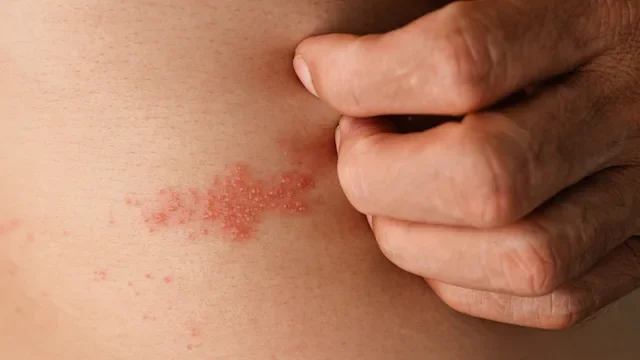
Shingles is a painful rash that develops when the varicella-zoster virus reactivates inside the nerve cells where it’s been lying dormant for decades. This causes inflammation around these nerve cells. Symptoms include a red, blister-filled rash. Other symptoms of shingles are:
Burning
Tingling
Pain
Itching
Shingles can be very uncomfortable. And the symptoms can linger for a long time, even after the rash resolves. Shingles is triggered by physical stress or a weakened immune system. People tend to develop shingles as they get older and the immune system naturally becomes weaker. You are also more likely to develop shingles:
During a major illness, especially those that weaken the immune system
While fighting off an infection, like COVID-19
After a serious injury
While taking medication that weakens the immune system
You can develop a shingles rash anywhere on your body. The exact location depends on which nerve gets inflamed when the varicella-zoster virus reactivates.
Can you get shingles in your eye?
Yes. About 1 in 10 people affected by shingles develop shingles around or inside their eye.
The varicella-zoster virus can stay dormant inside one of the nerves that goes to the eye. In these situations, when the virus wakes up, it causes eye shingles. People can develop eye shingles around the eye. Some people also develop shingles inside the eye.
What do eye shingles look like?
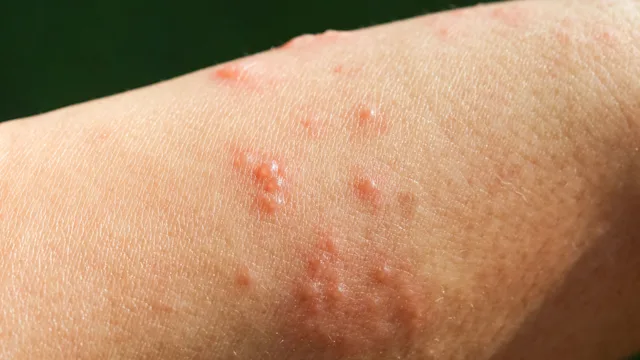
Eye shingles look and feel the same as shingles you can have anywhere else on your body. Most people start off feeling a tingling sensation near their eye. Then a few days later, they develop a classic shingles rash. The shingles rash is made up of clusters of small bumps that turn into blisters. The blisters may be red on lighter skin, or they can be pink, gray-purple, or brown on darker skin. The blisters will pop and then dry out in about a week. The rash can appear:
On the forehead near the eye
On the eyelid
Below the eye
On the tip of the nose
You may also experience symptoms around the rash like tingling, burning, or a stabbing, shooting pain.
If shingles is active inside your eye, you can have additional symptoms like:
Redness
Eyelid swelling
Discharge
Eye pain
Light sensitivity
Blurred vision
What should you do if you have shingles in your eye?
See a healthcare provider immediately if you think you have shingles anywhere near your eye, like your:
Forehead
Nose (especially the tip of your nose)
Cheeks
Eyelids
Don’t wait for eye symptoms to develop. You will need to start treatment right away to shorten your symptoms and prevent shingles from affecting your vision. If it’s not treated right away, eye shingles can lead to severe eye damage and permanent vision loss.
Your primary care provider can start you on treatment for eye shingles. They will also ask you to see an ophthalmologist, who can make sure you don’t have shingles inside your eye. If you already work with an ophthalmologist, they can also directly manage your care. The most important thing is to seek care immediately. Go to an emergency room or urgent care center if your rash appears while your provider’s office is closed.
What’s the treatment for eye shingles?
Antiviral medications like acyclovir and valacyclovir can help treat eye shingles. The goal is to start these medications within 72 hours of when the rash first appears. These medications not only help the rash heal faster and lower pain — they also lower the risk of developing eye-related complications.
Without treatment, half of people with eye shingles go on to develop eye complications. But with treatment, that number drops to 2%.
The most common treatments for eye shingles are:
Valacyclovir (Valtrex): 1 g by mouth 3 times a day for 7 days
Acyclovir (Zovirax): 800 mg by mouth 5 times a day for 7 to 10 days
Famciclovir: 500 mg 3 times a day for 7 days
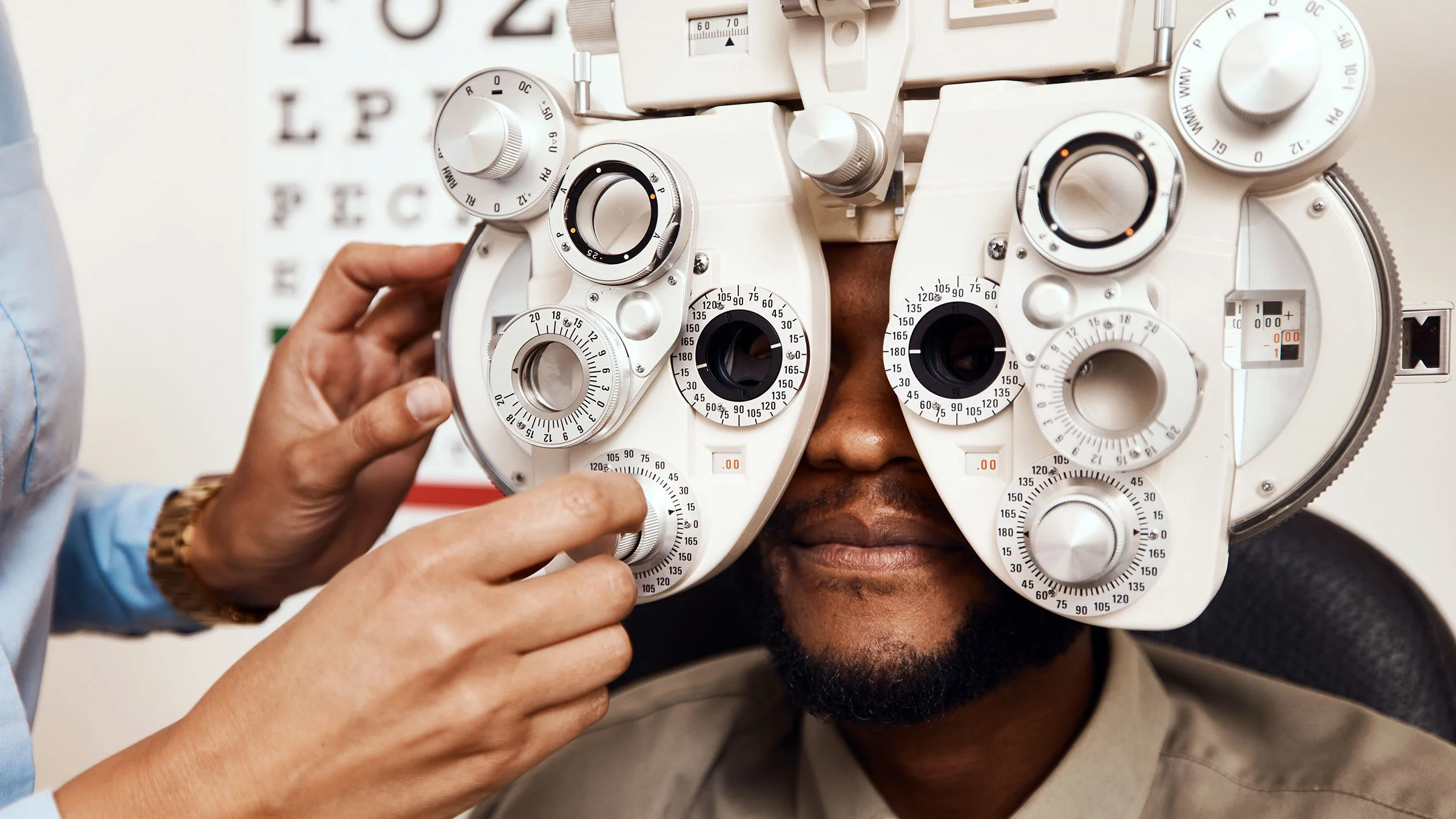
Your eye doctor will also perform a complete eye exam to make sure your eye is not affected by shingles. If you already have signs of shingles inside your eye, you may need additional treatment including steroid eye drops. Your healthcare team may also provide medication to help treat pain and discomfort from your shingles rash.
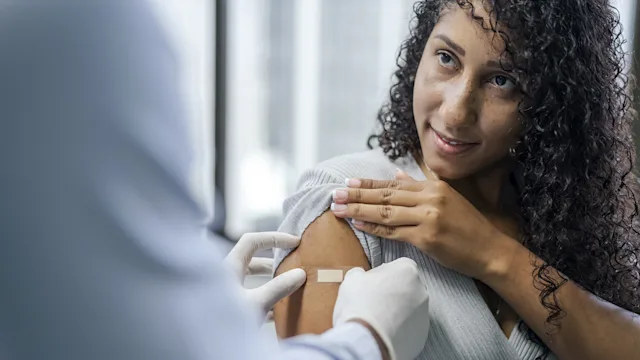
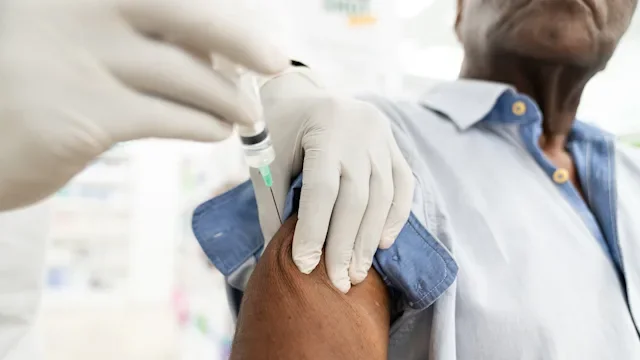
Keep in mind that there is a shingles vaccine that is approved for people 50 years of age and older. The shingles vaccine can prevent you from developing shingles and lowers your risk of developing complications from shingles if you do have a breakthrough episode. You can get shingles more than once. So, even if you’ve already had shingles, getting the vaccine can keep you safe from future episodes of shingles.
The bottom line
Shingles is a painful rash caused by the varicella-zoster virus, the same virus that causes chickenpox. Shingles can develop around or inside the eye. Eye shingles or herpes zoster ophthalmicus can cause serious eye problems and vision loss. See a healthcare provider right away if you think you have a shingles rash near your eye. Starting treatment immediately can keep you from developing complications from eye shingles. If you’re over 50 years old or have a weakened immune system, talk to your healthcare provider about getting the shingles vaccine. The shingles vaccine can keep you from developing shingles.

Why trust our experts?



References
Centers for Disease Control and Prevention. (2022). Shingles (herpes zoster).
Lewis, K., et al. (2020). Herpes zoster ophthalmicus. EyeNet Magazine.
Tuft, S. (2020). How to manage herpes zoster ophthalmicus. Community Eye Health Journal.