What Is Peripheral Artery Disease (PAD)? Symptoms, Causes, and Treatments
Comprehensive information for you or a loved one — including treatment options and discounts on popular medications.

Peripheral artery disease (PAD) happens when arteries become narrowed or blocked. This reduces blood flow in the affected area(s). The most common type of PAD involves the arteries of the legs and feet. But it can happen in any peripheral artery.
Peripheral arteries are the blood vessels that carry oxygenated blood from the heart to the rest of the body. Cholesterol plaques can form and build up in these arteries, causing them to narrow. This process — atherosclerosis — is the primary cause of PAD.

PAD is similar to coronary artery disease (CAD). This is a condition where atherosclerosis affects the arteries that supply the heart muscle, which can lead to a heart attack.


Smoking is the most common cause of PAD. People who smoke are 2 to 4 times more likely to develop PAD than people who don’t smoke. But there are many other factors that can lead to PAD, including:
Age greater than 65 years
Family history of PAD
Symptoms of PAD of the lower limbs can depend on how narrowed or blocked the arteries become:
In the first stages of PAD, people might have no symptoms.
In the second stages of PAD, people can have tiredness, aching, or cramping in the calves, thighs, hips, or buttocks when walking, especially up hills. This symptom is called “claudication.”
In the later stages of PAD, people can have pain and color changes in the legs and toes, even while resting. They can go on to develop skin wounds or gangrene of the toes and feet.
Compare prices and information on the most popular Peripheral Artery Disease medications.
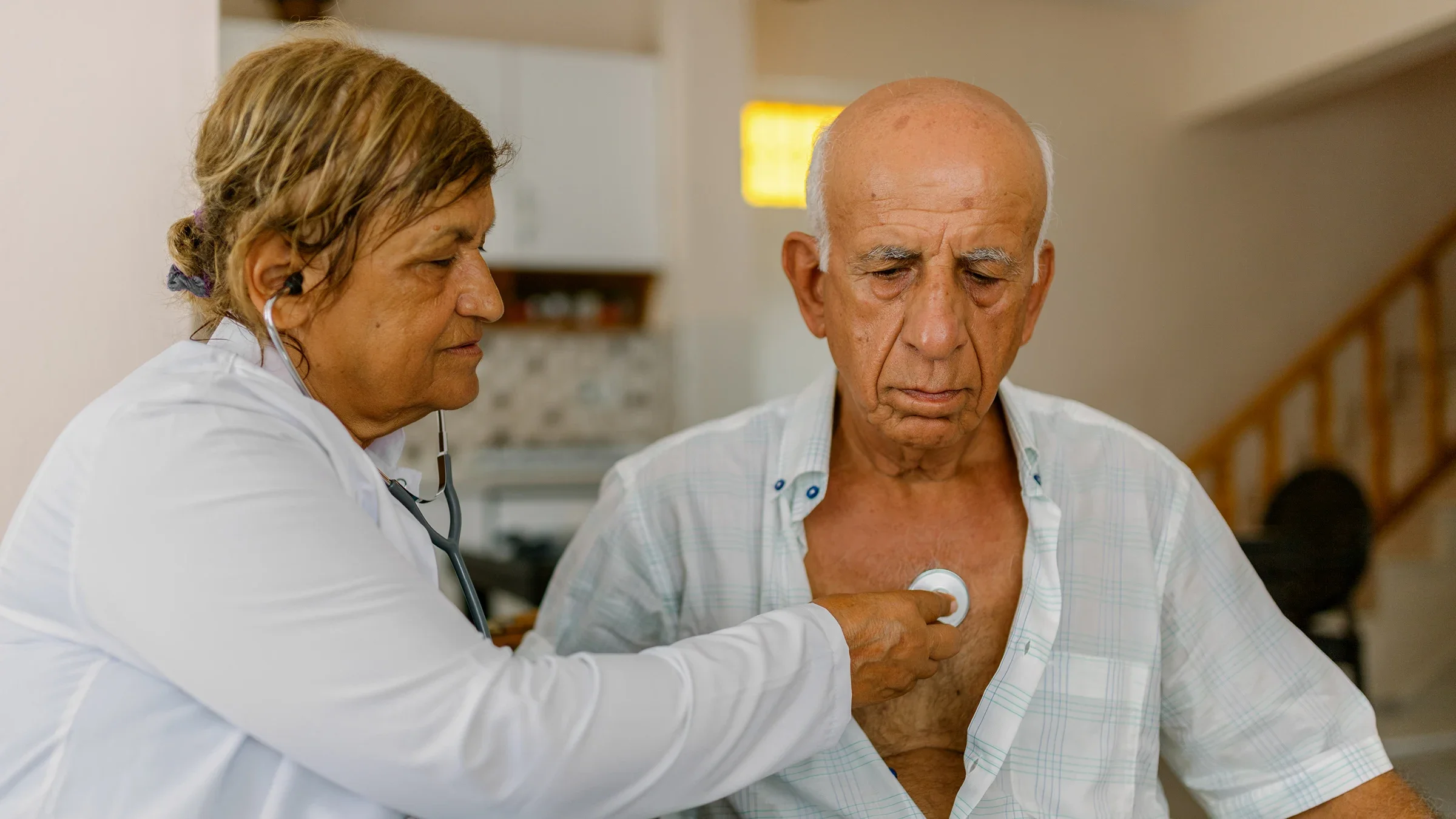
PAD diagnosis begins with telling your healthcare team about your symptoms. They’ll ask you for details, including if your symptoms get worse when you walk. They’ll then do a physical examination. This includes feeling the pulses in your legs and feet and looking at your skin for ulcers or infections.
If they suspect you have PAD, they may order some additional testing, including:
Ankle-brachial index (ABI): This index compares blood pressure measurements from the arms and the legs.
Ultrasound: This test uses sound waves to look at blood flow in blood vessels and detect blockages.
CT or MRI angiography: These tests provide specialized pictures of the leg arteries. They use contrast dye to look for blockages.
Angiography: A vascular specialist injects dye into the arteries and takes pictures of the leg arteries using X-rays. They may also treat the blockages during the same procedure.
Treating and preventing PAD involves taking steps to improve your overall health. This includes quitting smoking (if you smoke), eating a balanced and nutritious diet, and starting an exercise program your healthcare team supervises. Increasing how much you walk can improve blood flow to the legs and feet, and it can help the pain PAD causes.
Healthcare professionals may prescribe medications to treat and reduce symptoms of PAD. These include:
Antiplatelet agents: These prevent blood clots from forming in arteries that are already narrowed by PAD. Examples include aspirin and clopidogrel (Plavix).
Cholesterol-lowering medications: These reduce plaque buildup and lower the risk of complications of PAD. Examples include: atorvastatin (Lipitor), rosuvastatin (Crestor), and simvastatin (Zocor).
Cilostazol: Cilostazol (Pletal) prevents blood clots and expands the blood vessels, which can reduce symptoms.
Sometimes lifestyle changes and medications aren’t enough to treat the symptoms of PAD. Your primary care provider may refer you to a vascular specialist. They perform procedures that open up the blockages and improve blood flow. These procedures include:
Angioplasty/stent placement: The specialist inflates a small balloon in the artery to open it up. They may also place a stent, a metal mesh tube that keeps the artery open.
Atherectomy: A special device shaves away the cholesterol plaque from the walls of the arteries.
Bypass surgery: A surgeon attaches a blood vessel from another part of the body to the affected artery to redirect the blood around the blockage.
You can prevent PAD and reduce its symptoms with healthy lifestyle habits. These include:
Not smoking: Quitting smoking can decrease symptoms and prevent the progression of PAD.
Regular exercise: Regular physical activity increases blood flow to the legs and feet and reduces symptoms of PAD.
Losing excess weight: Maintaining a balanced weight reduces risk factors for PAD, such as diabetes and high blood pressure.
Eating a low-sodium, healthful diet: Reducing sodium and being mindful of which kinds of fat you eat can help lower blood pressure and cholesterol, which can reduce the risk of PAD.
These lifestyle habits may sound familiar to you. That’s because they’re also recommended for people with coronary artery disease, high blood pressure, strokes, and diabetes. For all of these conditions, it’s also important to manage other medical issues. This will help reduce your risk of developing complications, such as amputation, heart attack, or stroke.
Yes. Severe, untreated PAD of the legs can lead to open wounds, infections, gangrene, and even amputation. PAD that involves the carotid (neck) arteries, renal (kidney) arteries, or mesenteric (intestinal) arteries can lead to organ damage or failure of the brain, kidneys, and gut.
Yes. Severe, untreated PAD of the legs can lead to open wounds, infections, gangrene, and even amputation. PAD that involves the carotid (neck) arteries, renal (kidney) arteries, or mesenteric (intestinal) arteries can lead to organ damage or failure of the brain, kidneys, and gut.
If you have PAD, you’re at increased risk of having coronary artery disease (CAD). This is because PAD and CAD are both caused by cholesterol plaques collecting in the arteries. PAD and CAD have similar risk factors, including smoking, diabetes, and high cholesterol. It’s important to manage risk factors for both PAD and CAD to reduce your risk of cardiovascular complications.
American Heart Association. (2024). How is PAD diagnosed?
American Heart Association. (2024). Peripheral angiography.

Prescription savings
Stop paying too much for your prescriptions. Compare prices, get pharmacy coupons, and save up to 80%. Find expert answers to your health questions so you can make the best decisions for yourself and your family.
Health conditions
Medications & treatment
Access & affordability
 Our monthly healthcare membership can help you save thousands on your prescription costs.
Resources