Key takeaways
Tom Bowen’s chronic pain began 13 years ago after surgery left him with nerve damage.
His anger turned to determination once he learned mind-body therapies that help him manage living with pain.
Now, he has learned to live well — with pain but without medication. He is an author, adviser, and chronic pain champion.
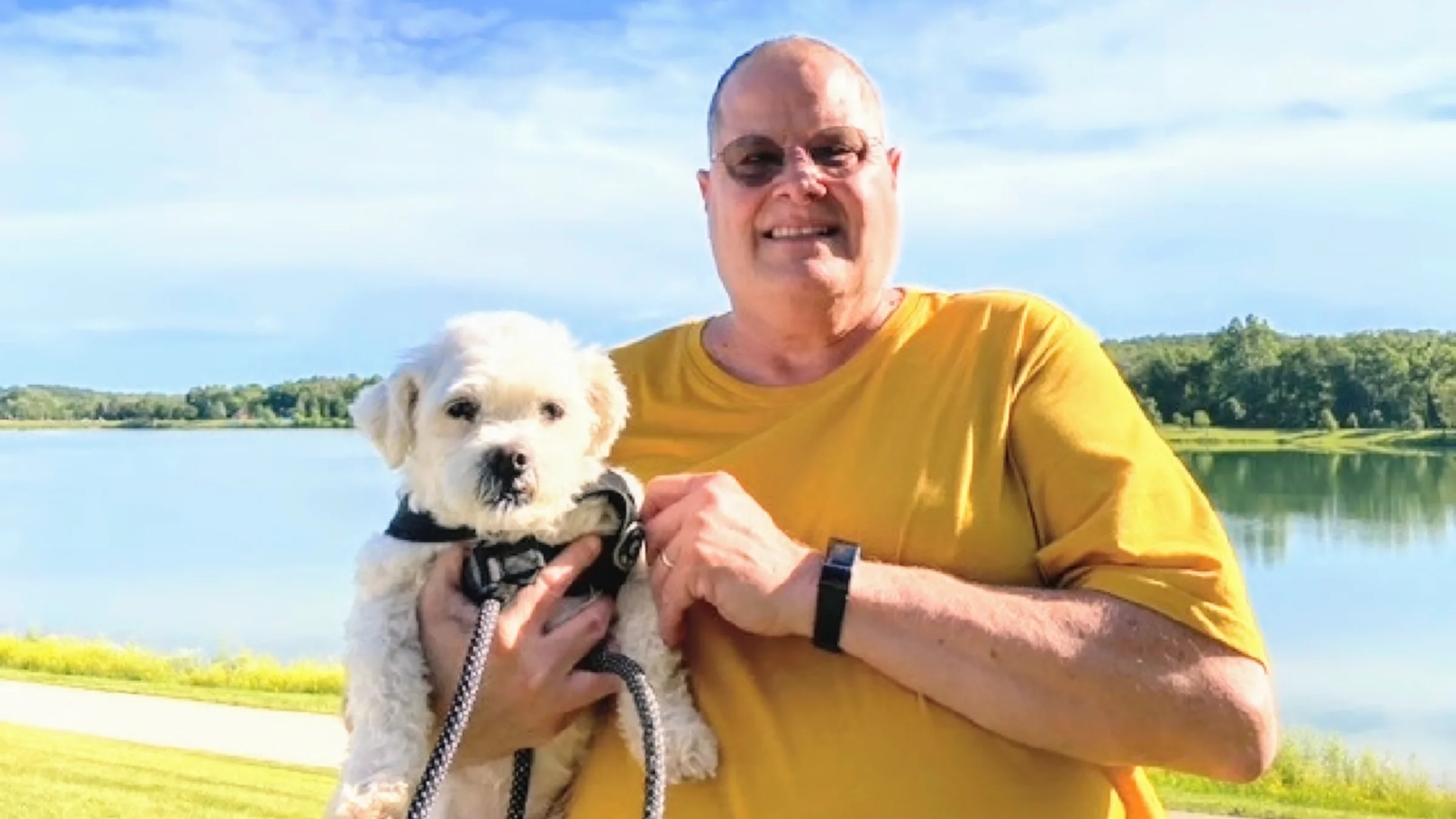
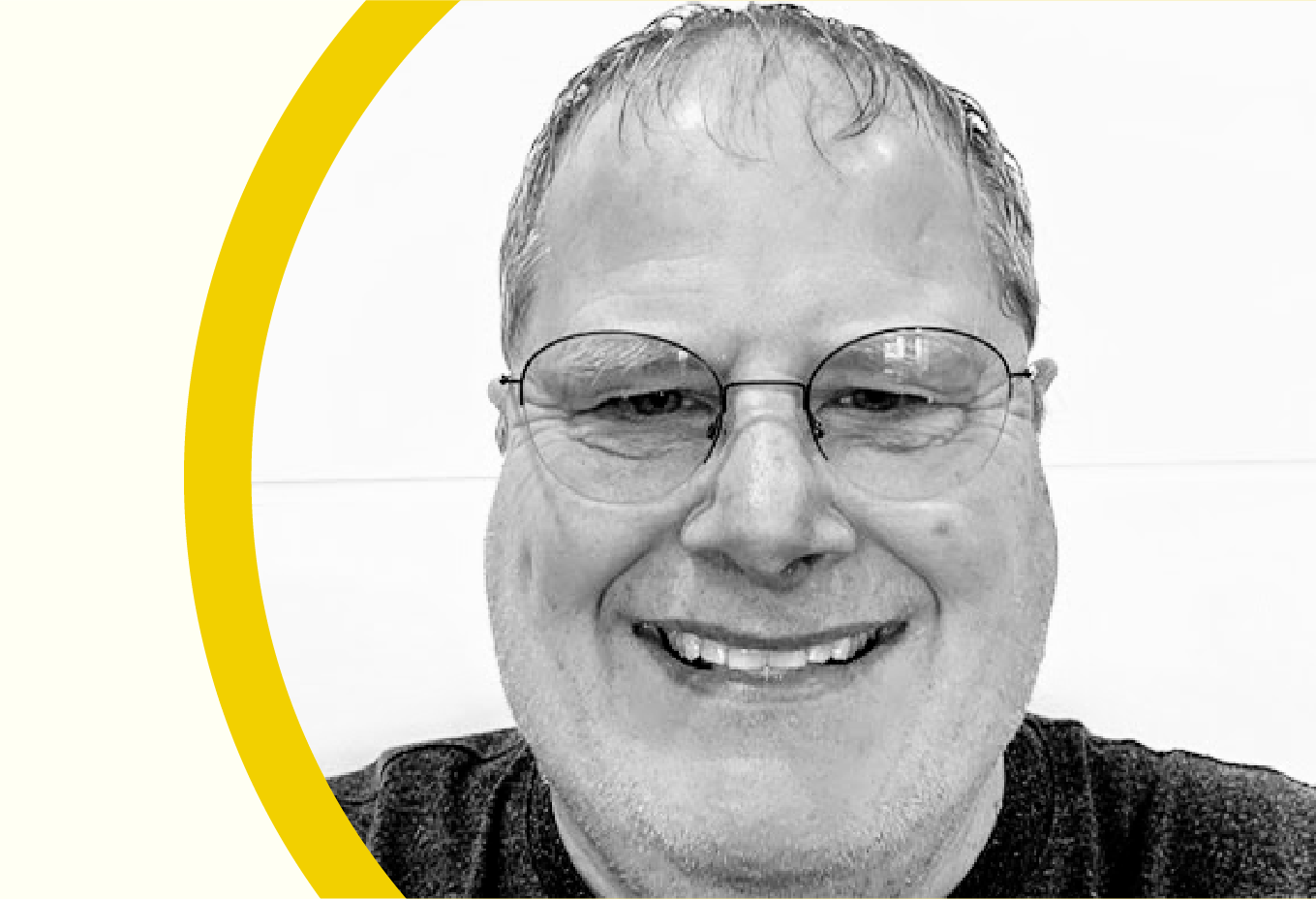
Tom Bowen has been living with chronic pain every day for 13 years. But he doesn’t let that define him.
He suffers from fibromyalgia, fatigue, migraine, back pain, sleep apnea, tinnitus, irritable bowel syndrome, depression, and anxiety. But you won’t hear that from him. His conditions are not what he’s interested in talking about.
If he stayed in bed and contemplated his physical pain, he says, it would be a 7 out of 10. That’s why he approaches his days thinking about everything else but that.
Search and compare options
Tom, 64, who lives near Des Moines, Iowa, doesn’t talk about his pain even with his wife, Charlene. He doesn’t bring it up in conversations with others. That’s because doing so yanks his thoughts back to circumstances he can’t fix and stops him from moving on with his life, in a more positive direction.
He can’t let those thoughts interrupt his mission of living well. And, while it’s not easy to choose positivity over pain every day, he wants to help others like him find the same sense of purpose and happiness.
“Suffering is a choice, and I choose not to suffer. I choose to live well, despite the pain,” Tom says.
He’s busy with his work as an author, blogger, and chronic pain champion. He is well suited to working in communications, because he was a writer in advertising and marketing before disability caused him to leave his job.
He oversees a Facebook support group called Chronic Pain Champions - No Whining Allowed. And he is a patient advocate on the editorial advisory board for Practical Pain Management (PPM).
Using mind-body therapies to manage chronic pain
Despite what folks might think, his approach to living with chronic pain isn’t just happy talk, Tom says. He’s not ignoring reality.
In fact, his approach has allowed him to stop taking medications altogether. He manages the pain with cognitive behavioral therapy (CBT) and other mindfulness techniques instead.
CBT is a type of talk therapy that helps people disrupt the automatic connections between their thoughts, feelings, and behaviors. The result is that people are able to change negative thinking and behavior patterns that result from certain situations.
And, for Tom, it has worked. He says that when he had his regular Botox injection for migraine a few weeks ago, he asked his doctor not to schedule another visit in 3 months. He hopes he can live completely medication-free by then.
“Honestly, I don’t take Tylenol or ibuprofen. I take nothing,” he says.
His journey wasn’t always a happy one
Tom wasn’t always this positive. His pain journey started in 2009 with groin pain, which he and his doctor thought surgery could fix. That worked briefly, but the pain returned, along with nerve damage from the surgery.
“I was very angry,” Tom says. “I was angry at the surgeon. I was angry at the health system for not finding a solution. There was a lot of perceived injustice. Why me?”
He considered more surgery. But, in 2012, his doctor referred him instead to the Mayo Clinic’s Pain Rehabilitation Center in Rochester, Minnesota. There, he spent 3 weeks learning not how to get rid of pain but how to live well with pain that may never go away.
He points to an old saying: “Pain is inevitable. Suffering is optional.”
Chasing a cure for chronic pain is not the best path
Nearly 1 in 5 American adults suffer from chronic pain, according to a CDC report. The same report estimated that 7% of adults had chronic pain that frequently limited life activities or work.
There are a few messages Tom wishes he had heard from doctors sooner. One is that there may never be a cure for his pain, so chasing a cure is not the best path.
That’s not something many doctors like to admit to patients, he says. And, sometimes, it takes time for patients to admit it to themselves.
Another message he’s found to be important is that the chronic pain, in most cases, is not harming the body. Understanding this helped him to let go of worrying about it and trying to fix it.
People living with chronic pain are their own best hope, he says.
“It’s not the doctors. It’s not the pharmaceutical companies. No one else can do it,” he says. “It’s active self-management that we can use to turn that pain dial down.”
Visualize the kind of life you want to live
He also uses visualization to help see the kind of life he wants to live.
“It’s like a pro golfer when they envision a shot down the fairway,” Tom says.
Another technique he’s learned is called “pacing,” or starting slowly with activity and gradually increasing it.
“If you’re just resting, that’s a pain behavior,” he said. “If you’re avoiding activity, that’s a pain behavior. If you’re getting up, moving, and doing things, you’re not going to be drawing your attention to the pain.”
Another “pain behavior,” he says, is groaning each time you bend down or lift yourself out of a piece of furniture. He no longer makes those groans, which just calls attention to the pain.
As a result of his personal journey, Tom wants to spread this message of hope: “We can live well despite pain. We can get better.”

Why trust our experts?