Key takeaways:
Opioids can affect many different organs in the body, including the brain.
Brain damage can occur following an opioid overdose if the brain receives too little oxygen, a condition called hypoxia.
If you have experienced brain damage due to opioids, staying away from opioids altogether may lead to improvements.
Opioid use can affect your body in many different ways. Using opioids can cause physical effects like increased risk of heart attack and lower immune response. It can also affect your brain’s functioning.
Read on to learn more about how opioids affect the brain and how to get help for opioid use disorder.
What are opioids anyway?
Opioids are a class of drugs that are often used to relieve pain. They bind to the opioid receptors in the brain, which causes pleasurable effects like euphoria, relaxation, and pain relief. Depending on the specific type of opioid, they may be made from the opium poppy plant directly or in a laboratory.
Heroin is an example of an illegal opioid that may be used by people seeking a “high,” or intense happiness and relaxation.
Opioids are also available by prescription. Examples of prescription opioids include:
Fentanyl (Duragesic)
Hydrocodone/acetaminophen (Vicodin)
Oxycodone (OxyContin, Percocet)
Prescription opioids may be used to treat conditions like:
Severe pain
Cough
Diarrhea
Opioids are considered to be highly addictive. People who use heroin or misuse prescription opioids are at risk for developing addiction and dependence. A person who is dependent on opioids may also experience withdrawal when they try to cut back or quit.
Because of these risks, it’s important to take any prescription opioids as prescribed. Also, speak with your healthcare provider if you suspect a problem.
Treatment is also available for anyone who is dependent or addicted to opioids.
What are long-term effects of opioids on the body?
Long-term opioid use can have negative effects on the body, including:
Higher risk of cardiovascular problems like heart attack
Decreased immune response
Sleep apnea and other sleep-related breathing problems
Higher risk of falls and fractures
Gastrointestinal bleeding
Constipation
The way that you use opioids can lead to additional health problems. For example, people who use opioids like heroin intravenously (IV) are at higher risk of contracting HIV and hepatitis. Smoking opioids may also cause respiratory problems and increase the risk of developing emphysema.
What is the neurological impact of psychoactive drug use?
Using opioids can affect many different organs in your body, including the brain. Opioid use can have neurological effects like:
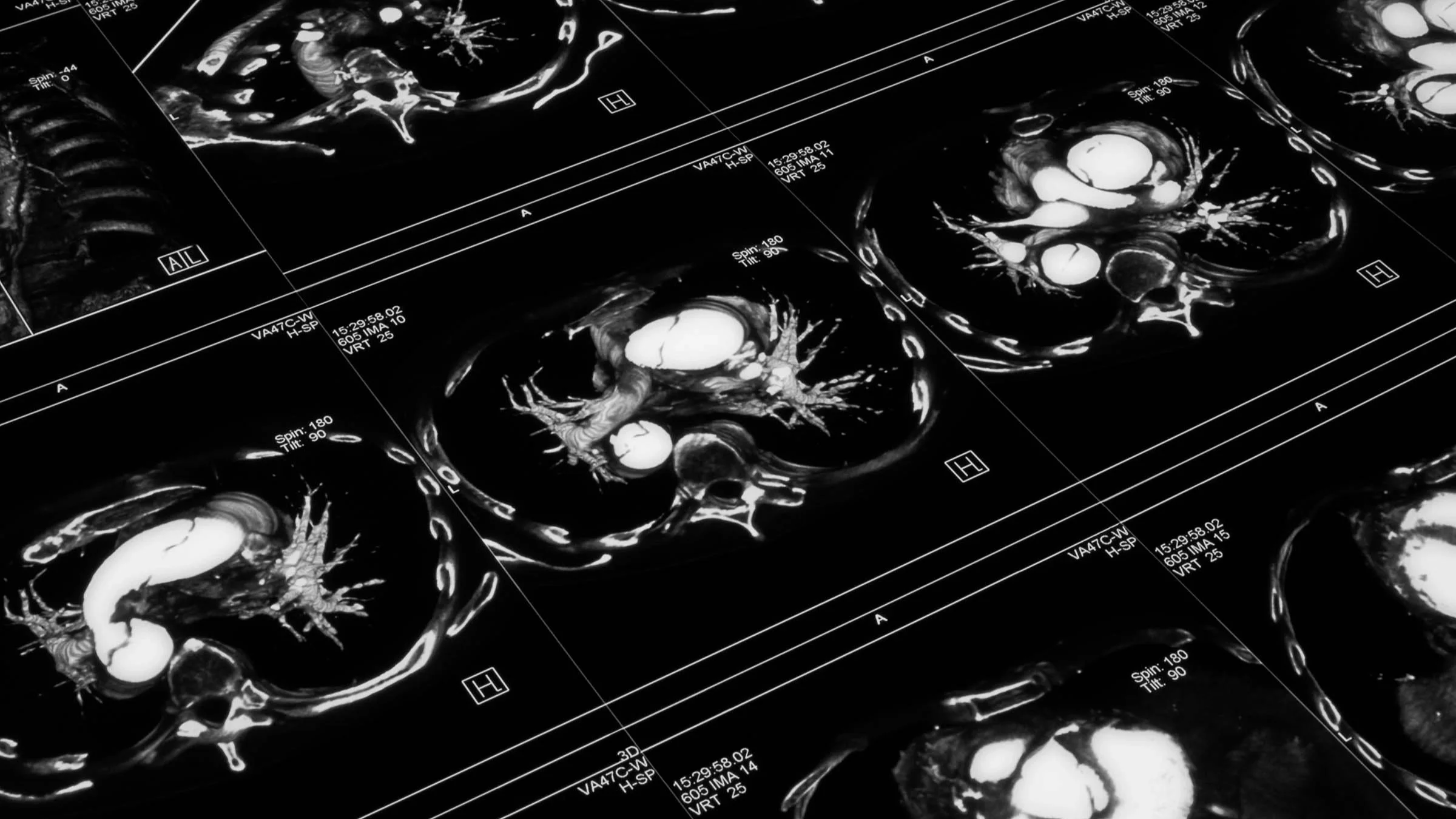
Brain injury: During an opioid overdose, a person’s breathing rate slows, which decreases the amount of oxygen that reaches the brain. If a person’s brain receives too little oxygen, it can cause brain injury and possibly permanent damage.
Cerebrovascular disease: Opioid use can lead to cerebrovascular problems, which are related to blood flow to the brain. Examples are stroke or aneurysm.
Dementia: Long-term opioid users have more of the proteins in the brain that are linked to conditions like Alzheimer’s disease.
Opioid use disorder is a physical and psychological reliance on opioids
An opioid use disorder is a condition that can develop after a person repeatedly uses illegal or prescription opioids over time. The condition can range from mild to severe, depending on the number of symptoms. These symptoms can affect many different areas of a person’s life, including their health, relationships, and work or school.
Some symptoms of an opioid use disorder include:
Taking more opioids than planned
Increasing the amount of opioids used over time
Using opioids in dangerous settings
Having cravings for opioids
Continuing to take opioids even though they cause or worsen one’s physical or mental health
Dependence can be both a psychological and physical reliance on a substance. Many people who have an opioid use disorder are physically dependent on opioids. Signs of physical dependence include:
Tolerance: If you develop tolerance for opioids, you need more of the drug over time to feel the desired effects. Or you feel less of an effect with the same amount
Withdrawal symptoms: You have withdrawal symptoms when you try to quit or cut back. Opioid withdrawal symptoms may include nausea and vomiting, diarrhea, cold flashes, and muscle aches.
Avoiding or relieving withdrawal: You take opioids to help make the withdrawal symptoms less worse, or you take them to avoid withdrawal altogether.
Opioid addiction occurs when dependence interferes with daily life
An “opioid use disorder” is a clinical term used when a person develops a problem with opioids.
The term “opioid addiction” also refers to problematic opioid use. Addiction happens when a person keeps using substances even though they are causing problems in their lives. People who have an opioid use disorder are often addicted as well.
Can opioid use disorder result in brain damage?
If a person overdoses on opioids, they could develop permanent brain damage. During an opioid overdose, breathing rate slows down. This can lead to hypoxia, which is a condition caused by low oxygen to the brain. Hypoxia can result in irreversible brain damage, coma, or even death.
Experiencing multiple opioid overdoses and experiencing hypoxia for longer periods of time can increase the risk of brain damage.
How to get help for opioid use disorder
Treatment for an opioid use disorder usually begins with detoxification. This is because opioid withdrawal can be uncomfortable and lead to relapse. During detox, you’ll be given medications by medical professionals to help lessen the withdrawal symptoms. Detoxification from opioids typically lasts about 1 week. Detoxing from methadone may take longer.
Once detox is complete, treatment may involve a combination of:
Therapy
Self-help groups like Narcotics Anonymous and SMART Recovery
To find help for an opioid use disorder, you can contact the Substance Abuse and Mental Health Services Administration (SAMHSA)’s free, confidential 24-hour-a-day helpline. You can also use SAMHSA’s online treatment services locator tool to find a program that fits your needs.
Recovering from brain damage due to opioid use disorder
In some cases, an opioid overdose may cause permanent brain damage. For some people, though, recovering from brain damage is possible.
Be sure to follow up with a neurologist or connect with a local brain injury services program if:
You’ve experienced hypoxia during an opioid overdose
You’ve been using opioids over a period of time and you’ve noticed neurological changes
More research is currently looking into how to recover from brain damage due to opioid use.
Get help if you are struggling with an opioid use disorder and take steps to prevent an opioid overdose. If you are using opioids, you can reduce your risk of an overdose through harm reduction practices like using fentanyl test strips.
The bottom line
Long-term opioid use and opioid overdose can have significant effects on the brain, including brain injury and dementia. Staying away from opioids altogether may help you recover from brain damage caused by opioids. If you’re having a hard time with abstinence, consider getting professional help and practicing harm reduction.

Why trust our experts?



References
Baldini, A., et al. (2012). A review of potential adverse effects of long-term opioid therapy: A practitioner’s guide. The Primary Care Companion to CNS Disorders.
Davis, P. E., et al. (2002). Neuropsychological deficits and opiate abuse. Drug and Alcohol Dependence.
Dydyk, A.M., et al. (2021). Opioid use disorder. StatPearls.
Herlinger, K., et al. (2021). Opioid use disorder and the brain: A clinical perspective. Addiction.
National Institute on Drug Abuse. (2018). Principles of drug addiction treatment: A research-based guide (third edition).
National Institute on Drug Abuse. (2021). Prescription opioids DrugFacts.
National Institute on Drug Abuse. (2021). Heroin research report.
Roy, S., et al. (1996). Effects of opioids on the immune system. Neurochemical Research.
Substance Abuse and Mental Health Services Administration. (2015). Detoxification and substance abuse treatment.
Walker, P. P., et al. (2015). The association between heroin inhalation and early onset emphysema. Chest.
Zibbell, J., et al. (2019). Non-fatal opioid overdose and associated health outcomes: Final summary report. US Department of Health and Human Services.