Key takeaways:
When you’re feeling nauseous, finding the right foods to eat might feel impossible. But there are many foods that can reduce symptoms and provide energy at the same time.
Common foods that help with nausea include ginger, broths, electrolyte drinks, and bland foods.
When choosing what to eat, it’s not only about flavor. Consider how smells, texture, and temperature affect your nausea.
When you’re experiencing nausea, it may feel like any food is unappetizing. But sometimes, a little something in your stomach is exactly what your body needs. And if nausea is an ongoing symptom for you, nutrition is key to help you regain your strength and stay healthy. While some foods may do more harm than good, there are many options that can help.
Eat these foods when you’re nauseous
If you’re wondering how to get rid of nausea, good options include foods that are high in nutrients, easy to digest, and help to provide a burst of energy. All of these things can help your symptoms of nausea. Let’s take a closer look at foods that help with nausea and may work to settle your stomach, like:
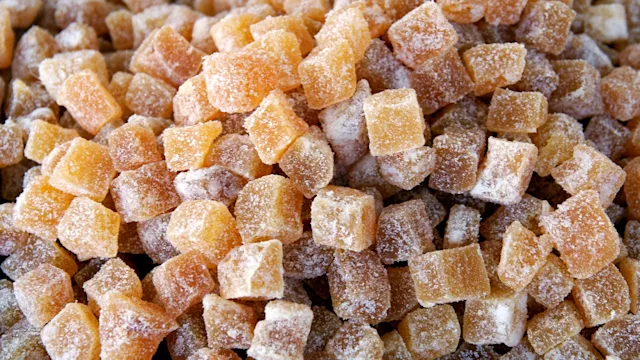
Ginger (like fresh ginger, ginger tea, or ginger chews)
Cold and soothing foods (like cold fruit, applesauce, and bananas)
Protein-rich foods (like eggs, yogurt, and lean protein)
Bland carbohydrates (like crackers, toast, rice, and plain noodles)
Light liquids (like clear broth, water, and electrolyte drinks)
Herbal drinks (like caffeine-free herbal teas)
What is the BRAT diet?
The BRAT diet is a common approach used to manage nausea, vomiting, and diarrhea in both children and adults. This short-term diet focuses on incorporating foods that are less likely to cause stomach upset than others.
Eating a BRAT diet consists of:
Bananas
Rice
Applesauce
Toast
But there’s limited evidence that sticking to these foods alone is helpful treatment for an upset stomach. So, you don’t have to stick to the BRAT diet strictly. Any foods that are bland, plain, and easy to digest are all good options if they seem appetizing to you.
What foods should you avoid when you are nauseous?
While there are plenty of great options to support nausea, some foods can trigger or worsen nausea. Until you have identified your own trigger foods for nausea, avoid:
Fatty or greasy foods
Sugar substitutes, like aspartame, sucralose, and saccharin
Sugar alcohols, like erythritol and xylitol
Caffeine
Alcohol
Spicy foods
Dairy products
Carbonated drinks
Cruciferous vegetables, like broccoli and cauliflower, which can be hard to digest
Tips for eating with nausea
Managing nausea isn’t just about what you eat but how you eat too. Here are some other tips for reducing nausea:
Eat smaller but more frequent meals.
Eat foods with little to no scent or smell, and avoid eating in an environment with strong fragrances.
Avoid laying down immediately after eating, as this may trigger acid reflux or heartburn. If you can, sit upright for about 2 hours after eating.
Frequently asked questions
If you’re experiencing nausea several days in a row and you’re not sure what’s causing it, it’s a good idea to see a healthcare professional. This is especially true if it’s leading to weight loss or any symptoms of dehydration.
And get immediate medical attention if you also have:
Uncontrollable vomiting
Bloody vomit or stool (or dark, tarry stool)
Abdominal pain
An intense headache
Extreme fatigue, lethargy, or trouble thinking
A high fever
Morning sickness is very common: About 80% of pregnant women experience it. If you’re experiencing any nausea or vomiting during pregnancy, these things can help:
Ginger
Higher-protein foods
Bland foods
Herbal teas — like lemon, ginger, and mint
Eating small and frequent meals and snacks
If you’re experiencing nausea several days in a row and you’re not sure what’s causing it, it’s a good idea to see a healthcare professional. This is especially true if it’s leading to weight loss or any symptoms of dehydration.
And get immediate medical attention if you also have:
Uncontrollable vomiting
Bloody vomit or stool (or dark, tarry stool)
Abdominal pain
An intense headache
Extreme fatigue, lethargy, or trouble thinking
A high fever
Morning sickness is very common: About 80% of pregnant women experience it. If you’re experiencing any nausea or vomiting during pregnancy, these things can help:
Ginger
Higher-protein foods
Bland foods
Herbal teas — like lemon, ginger, and mint
Eating small and frequent meals and snacks
The bottom line
There are many foods and beverages that can help with nausea. Good options include foods that are nutrient rich, bland, and easy to digest — like eggs, crackers, and lean protein. Herbal remedies like ginger might help too. But keep in mind: The foods that help one person manage symptoms may trigger or worsen another person’s symptoms. So don’t be afraid to follow your individual tastes.
If you’re having an upset stomach for several days or you’re unsure why, make sure you reach out to a healthcare professional for guidance.

Why trust our experts?



References
American Cancer Society. (2024). Managing nausea and vomiting at home.
Shane, A. L., et al. (2017). 2017 Infectious Diseases Society of America clinical practice guidelines for the diagnosis and management of infectious diarrhea. Clinical Infectious Diseases.