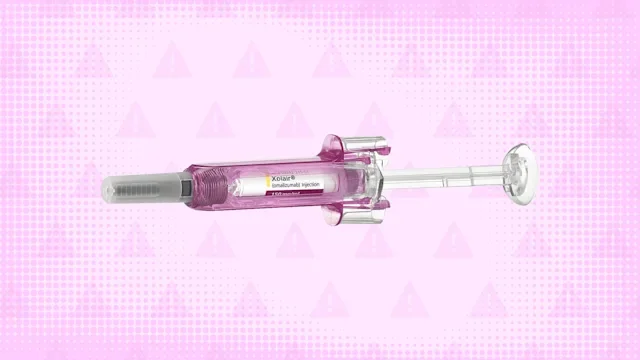
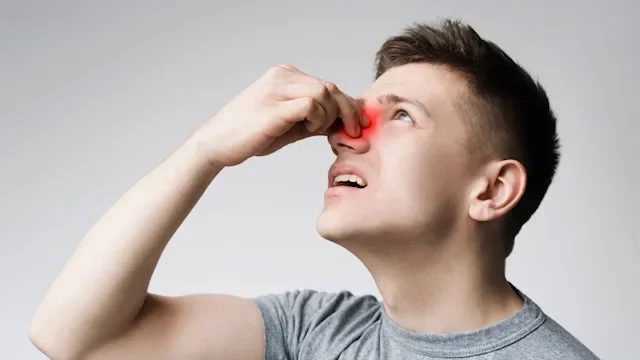
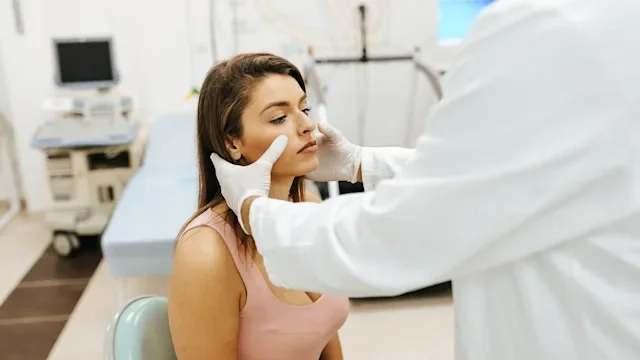
Nasal polyps may affect your sleep by increasing your risk of obstructive sleep apnea. In this video, learn about the link and how treating nasal polyps may help improve your sleep, according to David Edelstein, MD, Otolaryngologist at Lenox Hill Hospital, Northwell Health.
Dr. Edelstein is an otolaryngologist at Lenox Hill Hospital, Northwell Health.
References
del Toro, E., et al. (2025). Nasal polyps. StatPearls.
Leary, E. B., et al. (2020). Association of rapid eye movement sleep with mortality in middle-aged and older adults. JAMA Neurology.

Why trust our experts?

Written by:
Lauren Smith, MALauren Smith, MA, has worked in health journalism since 2017. Before joining GoodRx, she was the senior health editor and writer for HealthiNation.

Reviewed by:
Sanjai Sinha, MDSanjai Sinha, MD, is a board-certified physician with over 20 years of experience. He specializes in internal medicine.