Key takeaways:
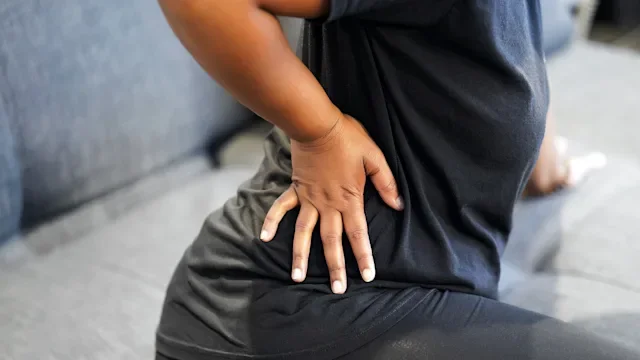
When you throw your back out, you may experience sudden pain that indicates damage to your lower back.
In most cases, a lumbar strain or sprain — from bending or lifting a heavy object — is the primary cause of symptoms. Though sometimes a disc ruptures.
While the pain can temporarily immobilize you, there are things you can do to treat the problem at home.
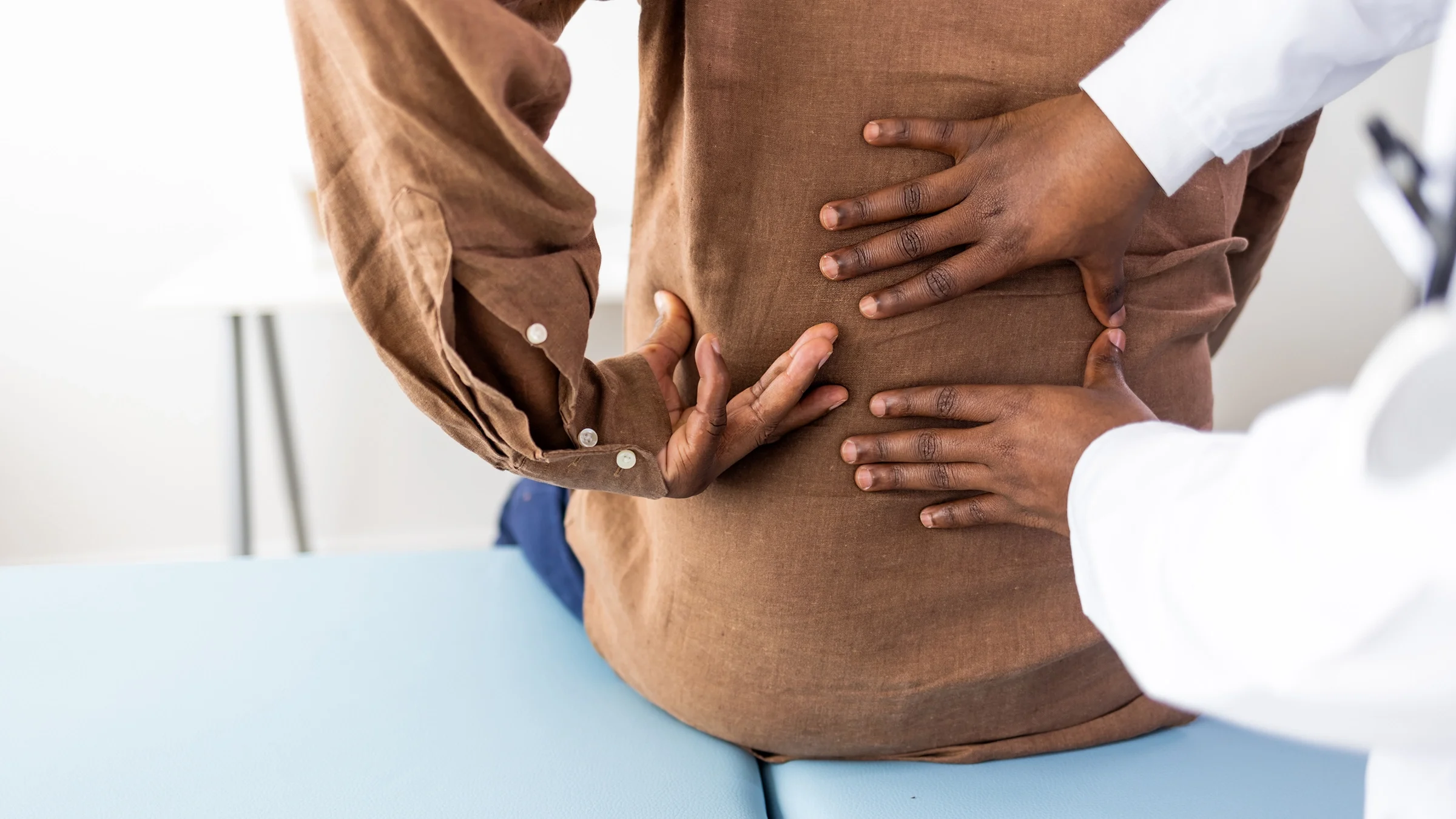
Have you ever bent down and felt something in your back pop, twinge, or pull as you return to standing? If so, you might have thrown out your back — and there are a range of symptoms associated with this low back injury.
And know that you're not alone. Injuries like this are quite common. According to 2019 National Center for Health Statistics data, 39% of adults reported having back pain. Fortunately, there are at-home remedies you can do to help alleviate the pain.
GoodRx Health spoke to two experts — a licensed physical therapist and a chiropractor — about what it means to throw your back out, how to treat it, and when to contact a health professional.
Search and compare options
What does it mean to throw your back out?
Generally, when you throw your back out, you experience acute or sudden low back pain after a specific event or injury. "Since the term ‘throwing out your back’ is not a medical diagnosis, the term can take on a lot of different meanings,” said Tom Oddo, DC, CSCS, and owner of City Integrative Rehab.
The pain may result from non-specific or specific factors. In fact, research suggests 85% of low back pain cases are classified as non-specific. That means it's not connected to a particular condition. Instead, mechanical factors — including muscle sprains, lumbar strains, or muscle tension — are likely to blame, said Oddo. The other 15% is related to specific causes like a slipped or herniated disc.
“Non-specific back pain is generally attributed to damage to the muscles and ligaments of the back,” Oddo said. But specific back pain may be attributed to conditions that affect the joints, cartilage discs, and nerve roots in the spine. And all of these issues can be categorized as a thrown out back.
It's important to note that a strain or a sprain can cause non-specific lower back pain. Low back strain occurs when muscle fibers stretch past their normal length, explained John Gallucci Jr., MS, ATC, DPT, and CEO of JAG-ONE Physical Therapy.
In some instances, these fibers tear. "This can cause pain, spasms, swelling, and decreased mobility in the area of the acute injury," Gallucci said. A lumbar sprain, on the other hand, happens when ligaments, or bands of tough tissue that hold bones together, tear.
“It can be challenging to separate a sprain from a strain in the lower back because the muscles and ligaments are densely packed, and cover many of the same areas,” Oddo said.
This is why it’s critical to get checked out by a doctor after throwing out your back. This way, your provider can prescribe medicine and exercises to help alleviate your symptoms.
How does someone throw out their back?
The most common way people throw their backs out is by lifting something — especially heavy objects — with improper form, said Gallucci.
"When lifting an object, it is important to keep your feet shoulder-width apart, bending at the hip versus the back while grabbing the object, and lifting slowly," he said. You can use this technique when you bend down to pick up a grocery basket, a box, a child, or a pet, for example.
But not all lower back injuries happen from sudden movements. Some occur gradually with overuse.
"[Lifting something] is not the only mechanism that can cause a muscle strain in the back,” Gallucci said. Repetitive force on the muscles — from activities like frequent running — can cause this injury over time.
Oddo added that fatigue can also make people vulnerable to throwing out their backs. Think about it: when you're tired, you may not have the best posture or form while sitting, standing, walking, or exercising. As a result, the muscles in your back can become relaxed and vulnerable.
“Stressful spine positions can fatigue our muscles to the point where a seemingly innocuous task can create a back pain episode,” said Oddo. For example, sitting with poor posture at your desk or while traveling for prolonged periods can fatigue these muscles, he explained.
Weak abdominal or core muscles could also be the culprit. Oddo explained that weakened core muscles allow the spinal column to shift in ways that irritate its surrounding tissues. This can trigger low back pain and possibly repeated episodes of a thrown out back.
Lessening back pain is one of many reasons to do core-strengthening exercises often.
What are the symptoms of throwing your back out?
You'll know that you've thrown your back out when you experience a few (or all) of the following symptoms, said Gallucci.
These include:
Low back stiffness
Limited mobility
Muscle spasms
Intense or dull back pain while at rest or with specific movements
Areas that are tender to the touch
Trouble maintaining proper posture
Depending on the severity, you may not be able to walk right after throwing out your back. And while the symptoms can be a bit of a mixed bag, Oddo said there are key signs of a slipped disc.
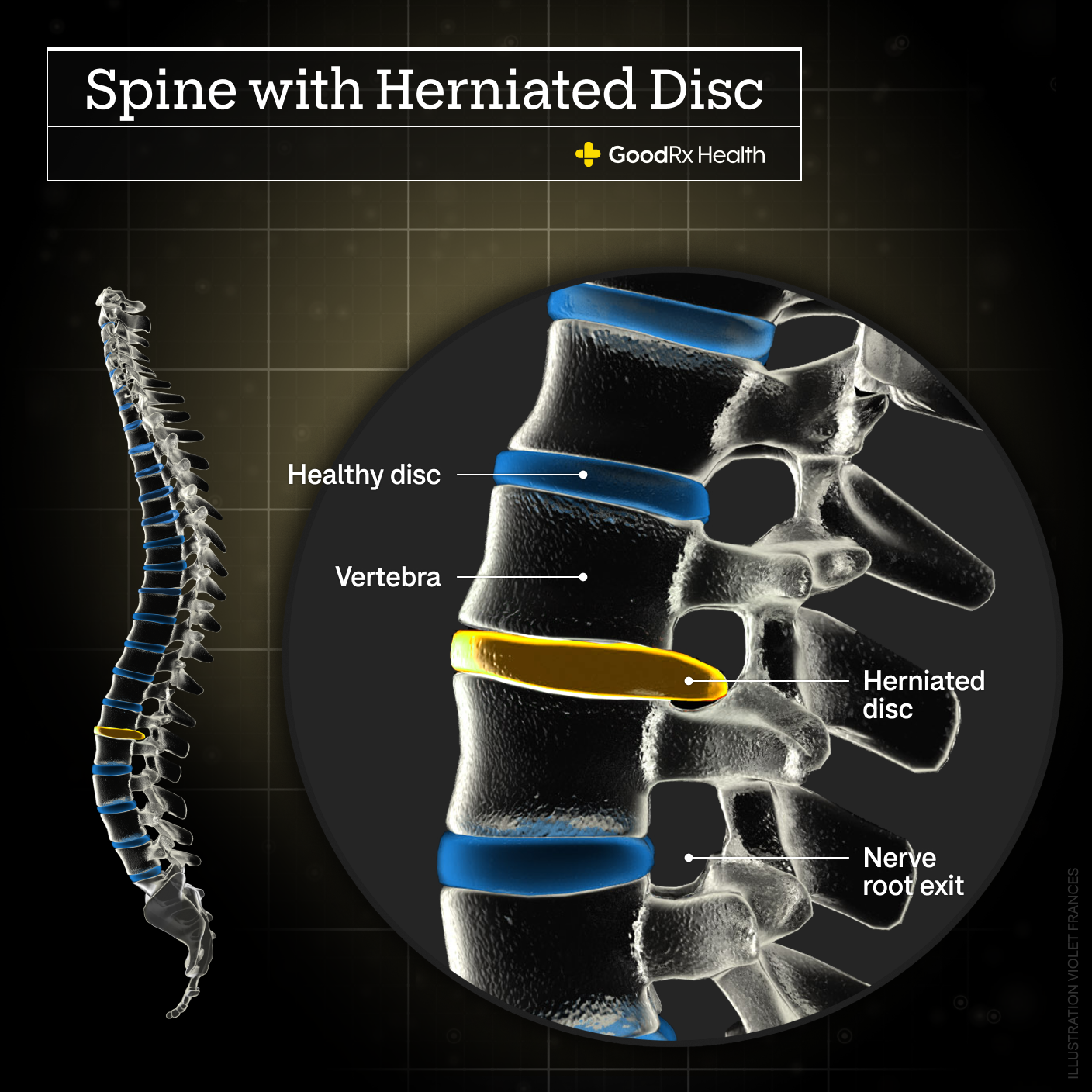
"Disc pain is generally sharper and can have other characteristics like a burning or electrical sensation, especially with bending and twisting," he said. "Disc pain often radiates. Two findings that appear frequently are difficulty rolling over in bed, and pain with coughing, sneezing, or straining."
Do's and don'ts when you throw out your back
Immediate treatment is the name of the game when addressing lower back pain — most of which you can perform in the comfort of your home.
"The vast majority of lower back pain, despite how terrible it feels, is not a medical emergency," said Oddo. "There are very few instances where it's a good idea to go to the emergency room for back pain."
Here are some tips to help you figure out the best treatment for a thrown out back.
Do's
Move as much as possible. "This suggestion seems counterintuitive because sometimes it hurts to move, but more movement is associated with improved long-term outcomes," Oddo said. It can also help prevent the injury from recurring. You can try gentle stretching and strengthening exercises to ease low back pain.
Applying ice to the area can help with acute pain and inflammation, said Gallucci.
Sleep in supportive positions, such as placing a pillow under your pelvis.
Breathe deeply and gently move into cobra pose.
Rest.
Don'ts
Make movements — like twisting or bending over — that worsen the pain.
Lift heavy objects.
Do intense exercise or deep stretches.
Adjust your body mechanics to compensate for the pain. "This can cause further injury to the area or cause injury or pain in other areas," said Gallucci.
When should you see a medical provider for a thrown out back?
Both Oddo and Gallucci said it's important to get non-emergency medical help if you experience severe pain carrying out daily activities. This is especially important if the pain doesn't lessen after a few days.
"The most common and successful treatments for acute lower back pain are joint mobilization, therapeutic exercises, massages, and instructions to manage or mitigate pain," said Oddo. He added that chiropractors and licensed physical therapists can "perform all of these interventions."
Your primary healthcare provider may prescribe other medication, such as a muscle relaxant or a steroid, to ease muscle spasms and inflammation.
The bottom line
A thrown out back can mean many things, from a muscle strain to ligament sprain. And while the pain can be debilitating, especially at the onset of injury, a trip to the emergency room is rarely the answer.
Resting, doing gentle stretches, and contacting your primary care provider for further treatment are key for recovery.

Why trust our experts?




References
American Academy of Orthopaedic Surgeons. (2022). Herniated disk in the lower back.
American Association of Neurological Surgeons. (n.d.). Low back strain and sprain.
Lucas, J. W., et al. (2021). Back, lower limb, and upper limb pain among U.S. adults, 2019. NCHS Data Brief.
Kumar, T., et al. (2015). Efficacy of core muscle strengthening exercise in chronic low back pain patients. Journal of Back and Musculoskeletal Rehabilitation.
O’Sullivan, P. (2005). Diagnosis and classification of chronic low back pain disorders: Maladaptive movement and motor control impairments as underlying mechanism. Manual Therapy.
Qaseem, A., et al. (2017). Noninvasive treatments for acute, subacute, and chronic low back pain: A clinical practice guideline from the American College of Physicians. Annals of Internal Medicine.