Key takeaways:
Chronic Lyme disease occurs when a person experiences ongoing symptoms, like joint pain and fatigue, after they’ve been fully treated for Lyme disease.
Experts aren’t sure why the condition occurs, but researchers think it may be similar to an autoimmune condition.
There’s no specific treatment for chronic Lyme disease, though most people will gradually improve over several months.
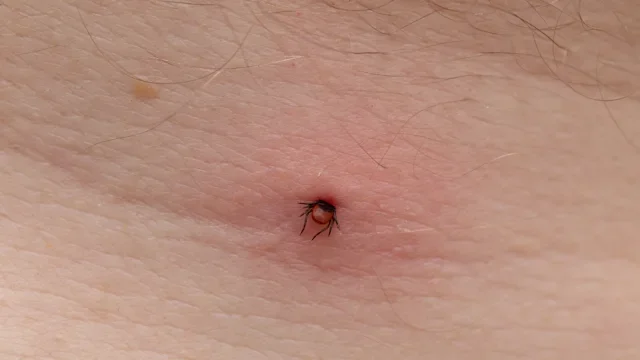
Lyme disease is an infection caused by the bacteria Borrelia burgdorferi, and it’s spread through the bite of infected ticks. In the early stages, it often leads to a classic circular rash. If the infection spreads, it can affect the heart, nerves, and joints.
The good news is that Lyme disease is usually treatable with antibiotics, and most people recover fully. But for some, symptoms can linger even after treatment. This is known as chronic Lyme disease, or post-treatment Lyme disease syndrome.
What is chronic Lyme disease?
Chronic Lyme disease is a term that describes long-lasting symptoms such as fatigue, joint pain, or difficulty concentrating after Lyme disease. But it’s not an official medical diagnosis. Experts instead prefer the term post-treatment Lyme disease syndrome (PTLDS), which has specific criteria used to diagnose it (more on this below). Even though people often use these terms interchangeably, they aren’t exactly the same.
The term “chronic Lyme disease” is less clear and not well-defined. For example, some people use it to refer to a group of symptoms without a clear cause, including when there’s no clear connection to Lyme disease infection. PTLDS refers to prolonged symptoms that start within 6 months of a diagnosed case of Lyme disease.
Chronic Lyme disease and PTLDS are also different from untreated or late-stage Lyme disease. This is when Lyme disease infection spreads because it hasn’t been treated.
Understanding Lyme disease
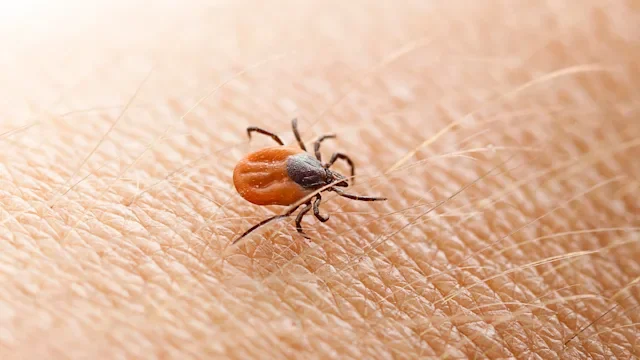
To understand chronic Lyme disease, it helps to first look at Lyme disease itself. Lyme disease is an infection caused by the bacteria Borrelia burgdorferi and spread through the bite of infected ticks.
Symptoms can vary depending on the stage of infection:
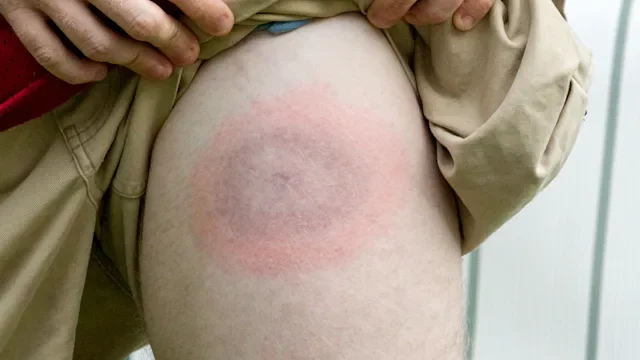
Early localized disease (1 to 28 days): This is characterized by a circular rash (often called a bull’s-eye rash), along with fever, fatigue, headache, and muscle or joint aches
Early disseminated disease (weeks to months): The infection can spread and affect the heart, nervous system, or eyes
Late disease (months to years): This most commonly causes arthritis, but it can also affect the heart and nervous system.
All stages of Lyme disease can be treated with antibiotics. Symptoms usually resolve with the right treatment. But in some cases, symptoms can last even after treatment. This is known as chronic Lyme disease, or PTLDS.
Symptoms of chronic Lyme disease
There’s a wide variety of symptoms associated with chronic Lyme disease, and everyone experiences these symptoms a little differently. The most common symptoms of chronic Lyme disease include:
Unexplainable, excessive fatigue
Muscle aches
Difficulty concentrating
Sleep disturbance
Memory problems
Headaches
Numbness or weakness in the arms or legs
Because the symptoms can be mild or vague, it can be hard to explain them. Many people say they feel tired all the time or not like themselves.
What causes chronic Lyme disease?
Experts don’t fully understand why some people have ongoing symptoms. But one leading theory is that it’s not an ongoing infection. Rather, it’s the body’s immune response.
When Lyme disease is treated, the bacteria are killed. But pieces of the bacteria can stick around in the body for weeks or even months. These leftover fragments can keep the immune system active, even though the infection is gone.
In some people, the immune system reacts more strongly than in others, which may explain why symptoms can be more severe or last longer. This may be similar to what happens in autoimmune diseases. The immune system is initially activated to fight the infection. But even after the bacteria are gone, the immune system stays activated and starts targeting parts of the body.
Some studies suggest that about 14% of people treated for Lyme disease with antibiotics go on to develop PTLDS.
Diagnosing chronic Lyme disease
There isn’t a single test that can confirm PTLDS. Instead, clinicians make the diagnosis based on medical history and symptoms and by ruling out other possible causes.
To diagnose PTLDS, three key pieces need to come together.
1. Proof of a past Lyme disease infection
First, there must be clear evidence that you had Lyme disease before your current symptoms began. This isn’t as straightforward as it may seem. You’re considered to have had Lyme disease if:
You had a classic Lyme rash (erythema migrans) diagnosed by a healthcare professional. This rash alone can confirm Lyme disease, and lab testing isn’t required.
You didn’t have a classic rash, but you had other symptoms of Lyme disease, along with positive Lyme disease blood results. Blood testing typically requires a two-step antibody test on the same blood sample.
2. Ongoing symptoms after treatment
People with PTLDS develop symptoms that continue after completing treatment for Lyme disease. Symptoms typically begin within about 6 months after the original infection, and they continue despite completing Lyme disease treatment. These symptoms include:
Ongoing fatigue
Joint and muscle pain
Trouble with memory, focus, or thinking clearly
3. No better explanation for the symptoms
PTLDS symptoms can overlap with many other conditions. So it’s important to rule out other conditions that can cause similar symptoms, like:
To do this, clinicians often order basic blood tests like blood counts, metabolic panels, and inflammation markers, along with thyroid tests.
How long does chronic Lyme last?
Symptoms of chronic Lyme disease can last months to years. People with prolonged symptoms after Lyme disease usually get better over time, according to the CDC. But it can take many months to feel completely well.
Sometimes, symptoms like fatigue, joint pain, or difficulty thinking can last longer. The exact timeline varies from person to person.
Treatment for chronic Lyme disease
Treatment for PTLDS focuses on relieving symptoms, not treating an active infection. There’s no specific treatment for chronic Lyme disease. Instead, treatment is tailored to your specific symptoms. This may include:
Pain management: such as anti-inflammatory medications or physical therapy
Support for fatigue: including good sleep habits and gradual return to activity
Help with memory and concentration: through a nutritious diet and brain-training exercises
Treatment of mood symptoms: with medication or mind-body techniques like yoga and acupuncture
Antibiotics for chronic Lyme disease
Multiple studies have found that antibiotics for chronic Lyme disease aren’t helpful. They have no effect on:
Depression
Fatigue
Memory
Concentration
Quality of life
And prolonged antibiotic courses can lead to serious side effects such as allergic reactions, resistant bacteria, and prolonged diarrhea — even blood clots associated with the IV catheter used to administer the antibiotics.
This is why multiple expert groups released guidelines advising against antibiotics for chronic Lyme disease, such as the:
Infectious Diseases Society of America (IDSA)
American Academy of Neurology (AAN)
American College of Rheumatology (ACR)
Lyme disease preventative antibiotic
The best way to prevent getting Lyme disease in the first place is to avoid getting tick bites. Use insect repellent, wear long sleeves and pants, and shower soon after being outdoors. If you notice a tick bite on your body, remove it right away using clean, thin tweezers.
Sometimes, healthcare professionals might recommend a preventative antibiotic after a tick bite, to avoid getting Lyme disease. If you live in an area where Lyme disease is common, a one-time dose of the oral antibiotic doxycycline can lower the chances of getting Lyme disease later on. It is recommended if the tick:
Was attached to the skin for at least 36 hours
Was removed in the last 72 hours
Looks like the Ixodes species
Is chronic Lyme disease curable?
There isn’t a single treatment that can quickly “cure” chronic Lyme disease, or PTLDS. But most people do improve over time, even if recovery can be gradual.
For some, symptoms fade completely. For others, they may linger but become less severe and easier to manage. Because symptoms can overlap with other conditions, part of recovery may also involve identifying and treating other contributing factors.
If symptoms are ongoing, working with a healthcare professional can help you track progress, adjust treatments, and make sure nothing else is being missed.
Frequently asked questions
Neurological Lyme disease happens when the infection affects the nervous system. It can cause symptoms like:
Headaches
Neck stiffness
Facial drooping (Bell’s palsy)
Nerve pain
Trouble with memory and concentration
It usually develops in the early disseminated stage of Lyme disease and is treated with antibiotics. Most people improve with appropriate treatment, though some symptoms can take time to fully resolve.
Lyme disease testing can take time because it relies on detecting antibodies — proteins your immune system makes in response to infection. These antibodies may not reach detectable levels until a few weeks after a tick bite, which can delay diagnosis. In addition, testing is often done in two steps to improve accuracy, which can add time. Results can also be difficult to interpret, especially early in the illness.
Neurological Lyme disease happens when the infection affects the nervous system. It can cause symptoms like:
Headaches
Neck stiffness
Facial drooping (Bell’s palsy)
Nerve pain
Trouble with memory and concentration
It usually develops in the early disseminated stage of Lyme disease and is treated with antibiotics. Most people improve with appropriate treatment, though some symptoms can take time to fully resolve.
Lyme disease testing can take time because it relies on detecting antibodies — proteins your immune system makes in response to infection. These antibodies may not reach detectable levels until a few weeks after a tick bite, which can delay diagnosis. In addition, testing is often done in two steps to improve accuracy, which can add time. Results can also be difficult to interpret, especially early in the illness.
The bottom line
Most people with Lyme disease recover fully with treatment. But some continue to have symptoms like fatigue, pain, and brain fog even after the infection is treated. This is known as chronic Lyme disease, or post-treatment Lyme disease syndrome (PTLDS). These symptoms aren’t thought to be caused by an active infection. So antibiotics — including additional or prolonged courses — aren’t recommended. Instead, care focuses on managing symptoms while the body gradually recovers.
Most people improve over time, though it can take months. If symptoms persist, working with a trusted healthcare professional can help guide recovery and rule out other possible causes.

Why trust our experts?



References
Arias, P., et al. (2025). Guidelines for Lyme borreliosis: Post-treatment Lyme disease syndrome (PTLDS). Infectious Diseases Now.
Aucott, J. N., et al. (2022). Risk of post-treatment Lyme disease in patients with ideally-treated early Lyme disease: A prospective cohort study. Diseases.
Centers for Disease Control and Prevention. (2024). About Lyme disease.
Centers for Disease Control and Prevention. (2024). Clinical testing and diagnosis for Lyme disease.
Centers for Disease Control and Prevention. (2025). Chronic symptoms and Lyme disease.
Centers for Disease Control and Prevention. (2025). Clinical care and treatment of neurologic Lyme disease.
Centers for Disease Control and Prevention. (2026). Preventing Lyme disease.
Dersch, R., et al. (2024). Treatment of post-treatment Lyme disease symptoms-a systematic review. European Journal of Neurology.
Lantos, P. M., et al. (2020). Clinical practice guidelines by the Infectious Diseases Society of America (IDSA), American Academy of Neurology (AAN), and American College of Rheumatology (ACR): 2020 guidelines for the prevention, diagnosis and treatment of Lyme Disease. Clinical Infectious Diseases.
Lazaridou, A., et al. (2019). Impact of daily yoga-based exercise on pain, catastrophizing, and sleep amongst individuals with fibromyalgia. Journal of Pain Research.
National Institute of Allergy and Infectious Diseases. (2018). Chronic Lyme disease.
National Institute of Allergy and Infectious Diseases. (2018). Lyme disease diagnostics research.
Reynolds, W. (2025). Post-treatment Lyme disease syndrome may be driven by remnants of infection. Northwestern Medicine.
Ścieszka, J., et al. (2015). Post-Lyme disease syndrome. Reumatologia.
Skar, G. L., et al. (2024). Lyme disease. StatPearls.
Sosa-Reina, M. D., et al. (2017). Effectiveness of therapeutic exercise in fibromyalgia syndrome: A systematic review and meta-analysis of randomized clinical trials. BioMed Research International.
Williams, A. L., et al. (2021). Lyme disease: Updated recommendations from the IDSA, AAN, and ACR. American Family Physician.
Zhang, X. C., et al. (2019). Acupuncture therapy for fibromyalgia: A systematic review and meta-analysis of randomized controlled trials. Journal of Pain Research.