Key takeaways:
Bronchitis and pneumonia are both lower respiratory infections. They can cause similar symptoms, like cough and trouble breathing.
Bronchitis won’t turn into pneumonia. But you can develop pneumonia while you have bronchitis or shortly after.
Get medical care if your bronchitis symptoms get worse. This may be a sign that you’ve developed pneumonia on top of bronchitis.
Bronchitis is a type of lower respiratory tract infection. When you’re sick with bronchitis, the tubes (bronchi) that connect your windpipe (trachea) to your lungs get irritated and fill with mucus. This leads to inflammation and symptoms like coughing and shortness of breath.
If you’re sick with bronchitis, you may be wondering if your illness can get worse or if it can turn into something more concerning, like pneumonia. Bronchitis can’t turn into pneumonia. But it’s possible to develop both illnesses at the same time or one after the other. Here’s what you should know.
Can bronchitis turn into pneumonia?
Bronchitis and pneumonia are different illnesses. Bronchitis can’t turn into pneumonia, and pneumonia doesn’t turn into bronchitis. But you can get sick with both illnesses at the same time or one after the other. This is often what people really mean when they ask if bronchitis can “turn into” pneumonia.
Here are three ways you can get sick with both bronchitis and pneumonia.
Dual infection
Some people develop dual infections. This means they develop bronchitis and pneumonia at the same time. In these cases, the same virus causes both pneumonia and bronchitis. People quickly develop symptoms of both conditions around the same time and feel very sick.
It’s not common to get bronchitis and pneumonia at the same time. You’re at higher risk for developing dual infections if you:
Are over age 65
Have a weakened immune system
Have an underlying lung condition
Misdiagnosis
Bronchitis and pneumonia can be hard to tell apart. This is because both illnesses can cause similar symptoms. They can also cause similar changes in how your lung sounds. A healthcare professional can detect these abnormal sounds during your physical exam, but they can’t always say for sure what’s causing them.
Pneumonia may also be difficult to see on a chest X-ray early in the illness. As a result, you may get diagnosed with bronchitis and later get diagnosed with pneumonia, especially if your symptoms get worse. In reality, you may have had pneumonia the entire time, even though it wasn’t detected at first.
Secondary or superimposed pneumonia
Some people develop bronchitis first and then get pneumonia while they’re still sick with bronchitis. This is called secondary or superimposed pneumonia. Usually, a different bug causes pneumonia than the one that caused bronchitis.
For example, a viral infection that causes bronchitis can make it easier for bacteria to cause a second infection in your lungs. This is called a superimposed bacterial pneumonia.
In these cases, you may have mild symptoms at first but become very sick after a few days. Secondary bacterial pneumonia can cause serious illness and often requires prompt treatment with antibiotics.
What’s the difference between bronchitis and pneumonia?
Both bronchitis and pneumonia are types of lower respiratory tract infections. But the conditions affect different parts of your lower respiratory tract.
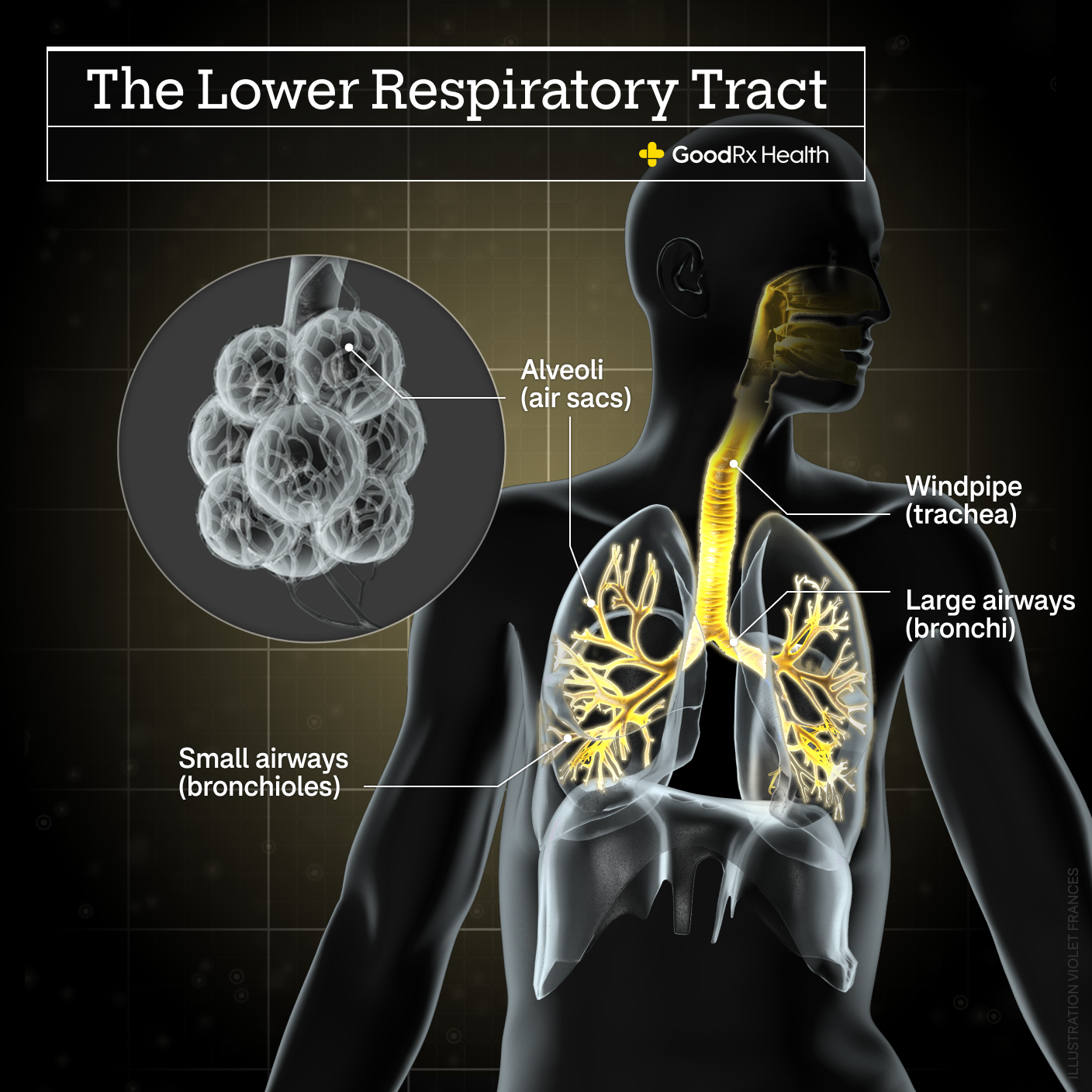
When you develop bronchitis, your bronchi become infected and inflamed. The bronchi are the tubes that connect your windpipe (trachea) to your lungs. Meanwhile, pneumonia is when the tiny sacs that make up your lungs (alveoli), become infected and inflamed.
There are two main types of bronchitis: acute and chronic. Acute bronchitis is usually caused by a virus and often develops after getting sick with a chest cold. Chronic bronchitis is a long-term condition often caused by irritants like cigarette smoke. Unlike acute bronchitis, chronic bronchitis doesn’t go away completely.
Both bronchitis and pneumonia can be caused by germs like viruses, bacteria, and fungi. Viruses are the most common cause of acute bronchitis. Both viruses and bacteria are common causes of pneumonia. Bronchitis and pneumonia cause similar symptoms because they’re both lower respiratory tract infections.
Symptoms of both bronchitis and pneumonia include:
Phlegm (mucus)
Chest discomfort or tightness
Body aches
Wheezing
Shortness of breath
But pneumonia can also cause more serious symptoms, like:
How common is it to develop pneumonia from bronchitis?
Most people don’t develop a secondary pneumonia on top of bronchitis. But you’re more likely to develop a superimposed bacterial pneumonia if you:
Are older than age 65
Smoke
Have a weakened immune system
Have an underlying lung condition, like asthma or chronic obstructive pulmonary disease (COPD)
Have a history of aspiration (breathing food or liquid into your airways)
How can you tell if your bronchitis is getting worse?
Bronchitis is usually caused by a virus and gets better on its own. But it can take up to 3 weeks for your symptoms to completely go away. Antibiotics and steroids won’t help you recover faster from uncomplicated acute bronchitis.
Even though it takes time to get back to normal, you should notice that you feel a little bit better each day. Worsening symptoms or new symptoms can be a sign that your bronchitis is getting worse or that you’ve developed secondary pneumonia.
You should get medical care if you develop:
A new or worsening fever
A fever that goes away but then returns
New or worsening shortness of breath
New or worsening trouble breathing
Chest pain
Weakness
Confusion
Inability to eat or drink
How can you prevent bronchitis and pneumonia?
Staying up to date on your vaccinations can lower your risk of developing bronchitis and pneumonia. Talk with your healthcare team about whether you should get vaccinated against:
Respiratory syncytial virus (RSV)
You can also take steps to avoid getting sick with viruses that can cause bronchitis and pneumonia, like:
Wash your hands frequently.
Avoid touching your face, especially your eyes, nose, and mouth.
Avoid close contact with people who are sick.
Avoid crowded indoor gatherings during cold and flu season.
Quiz: Do I have pneumonia or bronchitis?
Frequently asked questions
A viral chest infection is a term people may use to describe acute viral bronchitis. Bronchitis and pneumonia are separate medical conditions. Bronchitis can’t turn into pneumonia. But you can have both infections at the same time or develop pneumonia while you have bronchitis.
Respiratory infections include things like the common cold, sinusitis, and acute bronchitis. None of these conditions will turn into pneumonia. But the viruses that cause these illnesses can infect multiple parts of your respiratory system at the same time. This means you can develop pneumonia along with another respiratory infection.
It’s also possible to develop pneumonia while you’re still sick with another respiratory infection. This is sometimes called a superimposed or secondary pneumonia.
Both pneumonia and bronchitis can cause fever. Acute viral bronchitis usually causes a low-grade fever, but some people with bronchitis don’t develop a fever at all. People with pneumonia may not develop a fever or they may develop a low-grade or high fever. More serious forms of pneumonia are more likely to cause a high fever.
The bottom line
Bronchitis and pneumonia are both lower respiratory tract infections, but they affect different parts of your respiratory system. Both can be caused by viruses and cause similar symptoms, but bronchitis doesn’t “turn into” pneumonia. Instead, you can develop both infections at the same time, sometimes because of a secondary bacterial infection. This can lead to serious illness.
Older adults and people with weakened immune systems or underlying lung conditions are at higher risk for developing secondary pneumonia.
Get immediate medical care if you develop new or worsening fever, trouble breathing, shortness of breath, or chest pain. These are signs that your bronchitis is getting worse or that you’ve developed pneumonia.

Why trust our experts?




References
American Lung Association. (2025). Learn about acute bronchitis.
Dasaraju, P. V., et al. (1996). Infections of the respiratory system. Medical Microbiology.
Powers, L. A., et al. (2025). Secondary pneumococcal disease in veterans with viral respiratory infections. Clinical Infectious Diseases.
Wootton, D., et al. (2014). The diagnosis of pneumonia requires a chest radiograph (X-ray)—yes, no or sometimes? Pneumonia.
Xu, Z., et al. (2025). Age-specific patterns of infection, co-infection and pneumonia risk in acute respiratory infections: An active surveillance study in China, 2023-2024. Journal of Medical Virology.