Key takeaways:
Metabolic dysfunction-associated steatotic liver disease (MASLD) is reversible.
Weight loss, diet changes, exercise, and management of other health conditions are important steps. These can reverse liver changes or keep them from progressing to more severe liver disease.
Without intervention, MASLD can progress to liver inflammation and scarring. These changes aren’t reversible.
Finding out you have fatty liver disease can come as a shock. Even though it’s common, many people don’t know they have it until it’s discovered by chance.
The good news is that fatty liver disease is often reversible — especially if it’s found early, before you have liver damage. You may be able to reverse it with weight loss, a healthy diet, and exercise.
An important note about terminology: The medical term for fatty liver disease is metabolic dysfunction-associated steatotic liver disease, or MASLD. It used to be called nonalcoholic fatty liver disease, or NAFLD. In this article, the terms “fatty liver disease” and “MASLD” mean the same thing.
What is fatty liver disease?
MASLD is when extra fat builds up in your liver. Unlike many other forms of liver disease, it isn’t caused by drinking alcohol.
There are two types of fatty liver disease:
Simple fatty liver (MASLD): This is when you have a fatty liver, but it isn’t swollen or inflamed yet. At first, this can be harmless, but over time it can become more serious.
Metabolic dysfunction-associated steatohepatitis (MASH): This is a more advanced form. It means you have a fatty liver and liver inflammation. MASH can lead to other liver problems, like fibrosis (scarring), cirrhosis, or liver cancer.
MASLD affects more than 1 in 3 adults in the U.S., but it can also affect children. Most people with MASLD don’t have any symptoms. It’s often discovered on routine lab tests or when a healthcare professional notices a lot of fat in your liver during a medical procedure.
What causes fatty liver disease?
Experts don’t know exactly what causes MASLD, but it’s related to how your body processes sugars and fats. Nearly 9 out of 10 people with MASLD have a group of health conditions called metabolic syndrome. This includes having a larger waist size and high blood sugar, blood pressure, and triglycerides.
You’re more likely to get NAFLD if you have the following risk factors:
Age over 50 years
A sedentary lifestyle (not being active)
A body mass index (BMI) over 25
Polycystic ovary syndrome (PCOS)
But here’s the reality: Anyone can get MASLD, even without risk factors.
Can you reverse fatty liver disease?
Yes, you can reverse fatty liver disease in its early stages if there’s no liver inflammation or scarring.
By making the following changes, you can help reverse or prevent fatty liver disease:
Losing weight
Eating nutritious foods
Exercising regularly
Cutting back on alcohol
Managing your other health conditions, like diabetes
How long does it take to reverse fatty liver disease?
It’s hard to say how long it takes to reverse fatty liver disease. Many people will see an improvement in their liver health after losing 5% of their body weight. But some may need to lose more weight before seeing results. Your recovery also depends on how advanced your liver disease is and whether you have other health problems.
Treatments for fatty liver disease
Currently, there are no medications that treat MASLD. But medications that treat associated health problems, like diabetes and high cholesterol, can help. Along with these, experts recommend the changes below to keep MASLD from progressing to MASH.
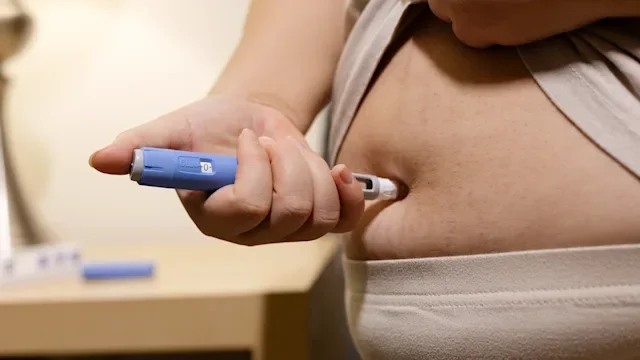
It’s worth noting that the FDA recently approved weight-loss medication Wegovy as a treatment for MASH in people who can’t lose weight on their own. Similar medications are being studied for their effects on fatty liver disease.
Weight loss
If your BMI is 25 or higher, losing weight is the number one thing you can do to reverse MASLD. (Note that BMI is not a perfect measure of body fat or health. But it’s often used as a proxy when making broad recommendations for health conditions.)
In research studies, people with fatty liver disease had healthier livers after losing weight. Weight loss also helps your liver by improving your blood glucose (sugar) levels, cholesterol levels, and blood pressure.
So how much weight should you lose? Research suggests losing 3% to 5% of your total starting body weight helps reduce fat in your liver. If you have MASH, you may need to lose up to 10% of your body weight to see an improvement in your liver health.
But keep in mind that slow, gradual weight loss is best — about 1 lb to 2 lbs per week. Rapid weight-loss diets (crash diets) can actually worsen your liver disease — and your health.
Losing weight is never easy. You may be able to lose weight by changing your eating habits and exercising. But your healthcare professional may also recommend weight-loss surgery or medications, especially if you already have liver inflammation or scarring.
Best diet for fatty liver disease
The best diet for reversing fatty liver disease is one that includes a wide variety of nutritious foods. It also limits sugar, “junk food,” saturated fats, and alcohol.
Here’s what this means:
Eating nutritious foods like fruits, vegetables, proteins, dairy, and whole grains
Choosing healthier fats
Limiting refined carbohydrates, like white bread, chips, and crackers
Limiting sugars and sweetened junk foods
What you drink also matters:
Avoid alcohol if you have MASLD. An occasional drink may be OK, but moderate or heavy drinking can make your liver disease worse.
Enjoy coffee if you like it. There’s evidence that drinking 2 to 3 cups of unsweetened coffee per day can be good for people with MASLD.
Need more guidance on what to eat? While there’s no official diet for MASLD, the DASH (Dietary Approaches to Stop Hypertension) diet and Mediterranean diet are great places to start. Both of these eating plans have lots of health benefits. Research suggests they may be good for your liver, too.
Physical exercise
Exercise can also help your MASLD get better — even if you don’t lose weight. According to research, doing at least 30 minutes of aerobic exercise, five times per week, can slow or even reverse MASLD. The more you exercise, the more you reduce the fat in your liver.
Like with weight loss and balanced eating, regular exercise has many benefits beyond boosting your liver health.
Management of health conditions
If you have other health conditions, it’s important to get them under control. Your liver is affected by your blood sugar, cholesterol, thyroid hormones, and more. So, taking care of your other health problems can also help reduce fat in your liver.
Staying on top of these health conditions can also reduce your risk of cardiovascular disease, which causes events like heart attack and stroke. This is important on its own, but especially because MASLD increases your risk of cardiovascular disease.
The good news is that eating nutritious foods, exercising, and losing weight can also treat other health conditions — not just your fatty liver. In some cases, your healthcare team might also recommend medications, like a statin for high cholesterol or diabetes medication.
When to see a doctor
Fatty liver disease doesn’t always cause symptoms. But it can — especially if it worsens. You should talk to a healthcare professional if you have any of the following symptoms:
Yellow skin or eyes
Fatigue or feeling unusually tired
Belly swelling or pain
Leg or ankle swelling
Upset stomach
Vomiting
Confusion
If you have MASLD, it’s a good idea to check in with a healthcare professional every 3 to 6 months, even if you don’t have symptoms. They may recommend regular lab tests or other procedures to see if your liver is getting better or worse.
Frequently asked questions
Fatty liver disease in its early form is reversible. But it becomes more dangerous as it progresses and causes more fibrosis in your liver. It’s also linked to cardiovascular disease, liver cancer, and cirrhosis. Later stages and complications of fatty liver disease are associated with a higher risk of death.
Fatty liver disease isn’t caused by specific foods. Rather, it’s a result of genetic and environmental factors that cause fat to build up in your liver.
That said, there are certain foods that can stress your liver. It’s best to avoid fast food, processed foods, and sugary products, among others.
There’s no strong evidence that choline can help to reverse fatty liver — but it can help to prevent it. Choline is a nutrient that helps carry fat away from your liver. But your body doesn’t make enough choline on its own, which may allow fat to build up in your liver. Making sure to get enough choline in your diet can help prevent MASLD.
There’s also some evidence that other supplements like omega-3s and vitamin E may help in reversing fatty liver disease. But more research is needed to say for sure.
Fatty liver disease in its early form is reversible. But it becomes more dangerous as it progresses and causes more fibrosis in your liver. It’s also linked to cardiovascular disease, liver cancer, and cirrhosis. Later stages and complications of fatty liver disease are associated with a higher risk of death.
Fatty liver disease isn’t caused by specific foods. Rather, it’s a result of genetic and environmental factors that cause fat to build up in your liver.
That said, there are certain foods that can stress your liver. It’s best to avoid fast food, processed foods, and sugary products, among others.
There’s no strong evidence that choline can help to reverse fatty liver — but it can help to prevent it. Choline is a nutrient that helps carry fat away from your liver. But your body doesn’t make enough choline on its own, which may allow fat to build up in your liver. Making sure to get enough choline in your diet can help prevent MASLD.
There’s also some evidence that other supplements like omega-3s and vitamin E may help in reversing fatty liver disease. But more research is needed to say for sure.
The bottom line
If you have MASLD, don’t despair. Many people with early fatty liver disease will never have other liver problems. And if you’re ready to take action, there are changes you can make to preserve — and possibly even restore — your liver health. Losing weight, eating well, exercising, and managing your other health conditions can boost your overall health and help get your liver back into the best shape possible.
References
American Liver Foundation. (2025). Nonalcoholic fatty liver disease (NAFLD).
Ciardullo, S., et al. (2023). Exploring the landscape of steatotic liver disease in the general US population. Liver International.
Eshraghian, A., et al. (2014). Non-alcoholic fatty liver disease and thyroid dysfunction: A systematic review. World Journal of Gastroenterology.
Familydoctor.org. (2024). Nonalcoholic fatty liver disease. American Academy of Family Physicians.
Feldstein, A. E., et al. (2024). Non-alcoholic fatty liver disease (NAFLD): Overview. American College of Gastroenterology.
Haigh, L., et al. (2022). The effectiveness and acceptability of Mediterranean diet and calorie restriction in non-alcoholic fatty liver disease (NAFLD): A systematic review and meta-analysis. Clinical Nutrition.
Koutoukidis, D. A., et al. (2019). Association of weight loss interventions with changes in biomarkers of nonalcoholic fatty liver disease: A systematic review and meta-analysis. JAMA Internal Medicine.
MedlinePlus. (2025). Vitamins.
National Institute of Diabetes and Digestive and Kidney Diseases. (2021). Eating, diet, & nutrition for NAFLD & NASH. National Institutes of Health.
National Institute of Diabetes and Digestive and Kidney Diseases. (2021). Treatment for NAFLD & NASH. National Institutes of Health.
Office of Dietary Supplements. (2022). Choline - consumer. National Institutes of Health.
Office of Dietary Supplements. (2022). Choline - health professional. National Institutes of Health.
Rinella, M. E., et al. (2023). AASLD practice guidance on the clinical assessment and management of nonalcoholic fatty liver disease. Hepatology.
Sanyal, A. J., et al. (2021). Prospective Study of Outcomes in Adults with Nonalcoholic Fatty Liver Disease. New England Journal of Medicine.
Targher, G., et al. (2024). MASLD: A systemic metabolic disorder with cardiovascular and malignant complications. Gut.
Yuan, L. (2025). Three deadliest risk factors of a common liver disease identified in new study. Keck Medicine of USC.

Why trust our experts?