Key takeaways:
Home remedies for insomnia include meditation, practicing good sleep hygiene, and cognitive behavioral therapy for insomnia (CBT-I).
Supplements like melatonin and magnesium may also help you get better sleep.
Foods and drinks that may help with insomnia include pistachios, tart cherry juice, and chamomile tea.
Many people use alcohol as a sleep aid, but alcohol negatively affects sleep quality.
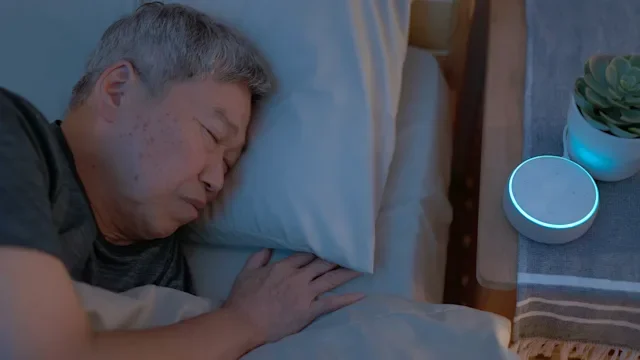
You toss and turn, kick off the covers, then curl up underneath them again. You hoped for a good night’s sleep, but your body just doesn’t want to cooperate. Or maybe you haven’t slept well for a while and are worried about serious sleep deprivation.
If this sounds familiar, you’re not alone. In the U.S., up to half of adults report having insomnia symptoms. Most people want to try natural treatments before they consider sleep medication.
Luckily, there are quite a few home remedies for insomnia you can try. Nothing is a quick fix, but the following natural remedies are some of the best ways to treat insomnia. And they’re safer than sleep medications.
Search and compare options
1. Improve your sleep hygiene
Sleep hygiene refers to the daytime and evening habits that can help you get a better night’s sleep.
These common tips will help improve your sleep hygiene:
Limit caffeinated products to the morning.
Get exercise and sunlight during the day.
Try not to nap later in the day.
Use your bed for sleep or sexual activities only.
Eat dinner or snacks earlier in the evening, not right before bed.
Avoid TV, computer, and phone screens at least 1 hour before bed.
Keep the lights low before bedtime.
Create a relaxing bedtime routine and follow it at the same time every night.
Keep your bedroom cool, dark, and quiet while sleeping.
Reduce your tobacco and alcohol use.
If you have chronic insomnia, improving your sleep hygiene alone may not be enough. But combining good sleep hygiene with other techniques can be very effective.
2. Practice self-guided cognitive behavioral therapy for insomnia (CBT-I)
Cognitive behavioral therapy for insomnia (CBT-I) is a sleep-therapy program. It uses exercises and behavioral changes to help you learn to sleep better. It’s a low-risk and highly effective treatment for insomnia.
CBT-I helps you learn to think about sleep in a positive way. It can also help you quiet any racing thoughts that keep you awake. It also trains your brain to associate being in bed with sleeping.
Some examples of CBT-I techniques include:
Keeping a sleep diary
Setting a consistent bedtime and wake time
Getting out of bed if you’re not sleeping
Making changes to your sleep environment
Using relaxation techniques like meditation, progressive muscle relaxation, or deep breathing
Connecting with a therapist to work on your sleep issues together can be helpful, especially if anxiety or depression is contributing to your insomnia. But practicing CBT-I on your own can also be effective.
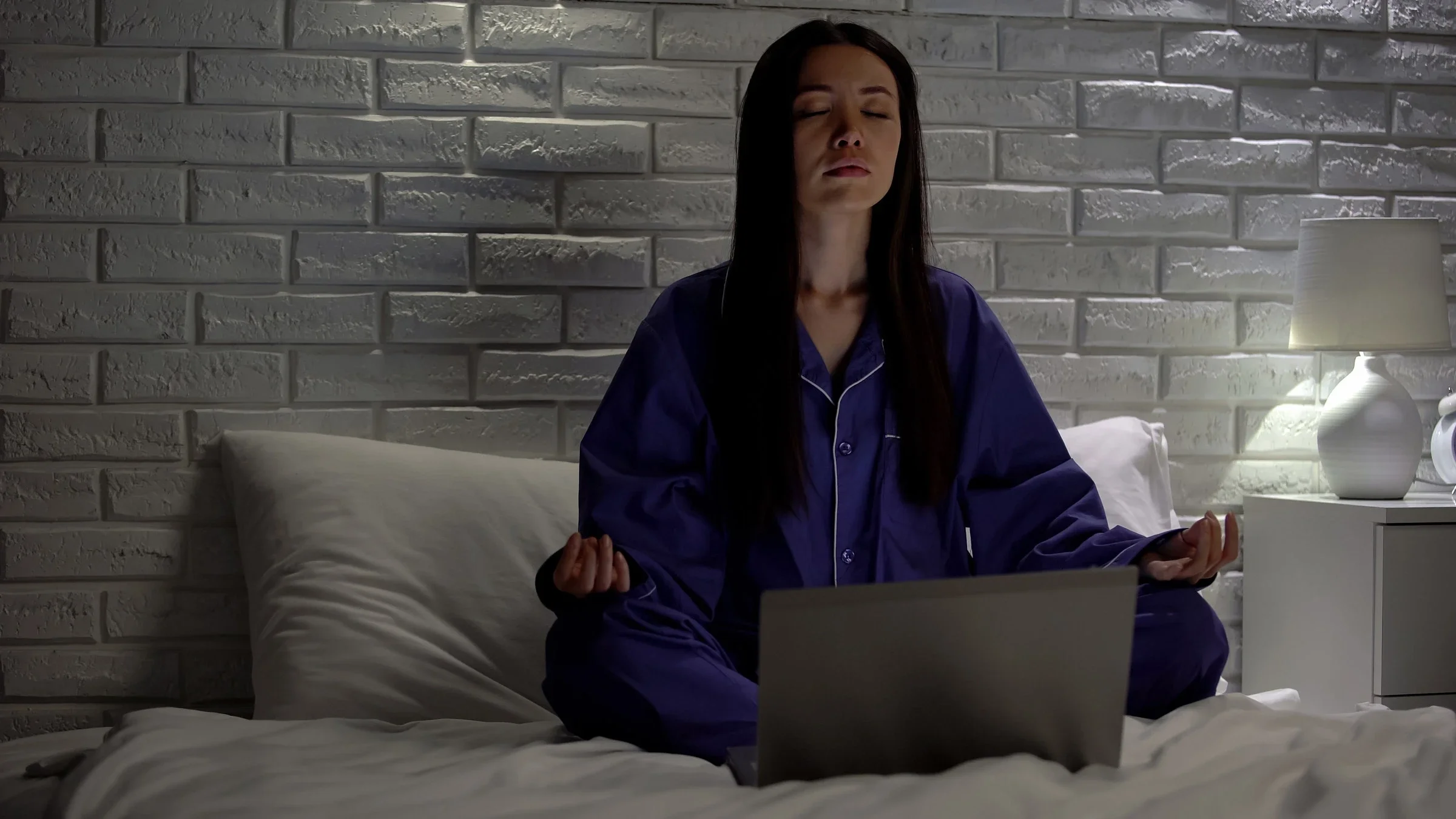
3. Build a daily meditation routine
People have used meditation and mindfulness for centuries, and these practices have become more popular in recent years. Research suggests that meditation may help reduce stress, anxiety, and depression, and improve sleep quality.
Beyond these findings, meditation supports sleep by calming your mind and easing stress, making it easier to fall and stay asleep.
4. Try natural supplements
There are several natural supplements that can help with sleep:
Melatonin: Melatonin is a hormone your body makes that controls your sleep–wake cycle (circadian rhythm). Your brain releases it when it gets dark, which helps you feel sleepy. Melatonin supplements work by copying this natural signal. They can be helpful if your sleep schedule is off, like with jet lag or shift work, because they help your body adjust to when it’s time to sleep.
5-HTP: 5-Hydroxytryptophan (5-HTP) is a serotonin-like molecule that your body can convert into melatonin.
Magnesium: Magnesium supplements may help you fall asleep faster, stay asleep longer, and wake up less during the night.
L-theanine: This natural amino acid is found in some teas. It’s believed to relax your brain and help with sleep.
Apigenin: Apigenin is a substance in chamomile tea. It may have benefits in treating insomnia and depression.
Glycine and GABA: Glycine and gamma-aminobutyric acid (GABA) are neurotransmitters that may treat insomnia by slowing down brain activity.
5. Consider CBD
CBD (cannabidiol) is extracted from hemp seeds but doesn’t have any psychoactive properties like cannabis. Some research suggests that CBD can help with insomnia. It may calm your nervous system by acting on the serotonin system in your brain. This calming effect can also decrease anxiety, which may help your sleep.
Foods that help with insomnia
Some foods naturally contain melatonin or other hormones that help with the sleep-wake cycle. Eating these foods in the evening may help you fall asleep:
Cherries, particularly tart cherry juice
Nuts, like almonds, walnuts, and pistachios
Pumpkin seeds
Milk
Some people drink alcohol to help with sleep. But it has the opposite effect. While alcohol can make you sleepy, it actually interferes with good sleep by disrupting your normal sleep cycles. It can also make other sleep disorders, like sleep apnea, worse.
Frequently asked questions
Everyone has a bad night of sleep once in a while. But insomnia is different. Insomnia is when you regularly have trouble falling asleep, staying asleep, or both — and you wake up feeling unrested.
There are two main types of insomnia. Acute insomnia is short-term, lasting only a few days or weeks at the most. Chronic insomnia is long-term. It’s diagnosed when sleep problems occur at least 3 nights a week for 3 months or longer.
Insomnia can be genetic. Around 1 in 3 people with insomnia have a family history of it. While certain genes can make insomnia more likely, it’s not usually caused by genetics alone. Stress, anxiety, and other health issues often play a big role in causing ongoing sleep problems. Improving your sleep habits and addressing underlying causes — like stress or medical conditions — can make a big difference.
Insomnia can’t always be "cured" with a one-time fix. But it can often be managed and effectively treated. Most people with insomnia can sleep well again with the right approach. Rewiring your sleep habits with Cognitive Behavioral Therapy for Insomnia (CBT-I) and adopting sleep hygiene practices are two ways to improve sleep.
Everyone has a bad night of sleep once in a while. But insomnia is different. Insomnia is when you regularly have trouble falling asleep, staying asleep, or both — and you wake up feeling unrested.
There are two main types of insomnia. Acute insomnia is short-term, lasting only a few days or weeks at the most. Chronic insomnia is long-term. It’s diagnosed when sleep problems occur at least 3 nights a week for 3 months or longer.
Insomnia can be genetic. Around 1 in 3 people with insomnia have a family history of it. While certain genes can make insomnia more likely, it’s not usually caused by genetics alone. Stress, anxiety, and other health issues often play a big role in causing ongoing sleep problems. Improving your sleep habits and addressing underlying causes — like stress or medical conditions — can make a big difference.
Insomnia can’t always be "cured" with a one-time fix. But it can often be managed and effectively treated. Most people with insomnia can sleep well again with the right approach. Rewiring your sleep habits with Cognitive Behavioral Therapy for Insomnia (CBT-I) and adopting sleep hygiene practices are two ways to improve sleep.
The bottom line
Insomnia can be incredibly frustrating. It can affect your mood and make it difficult to get through the day. If you feel this way, you’re not alone. The good news is that many of the first-choice treatments for insomnia don’t involve medications or prescriptions. Trying sleep-hygiene tips, meditation, or sleep therapy might help. If that’s not enough, some over-the-counter supplements might also help. If your insomnia is persistent and doesn’t improve, talk to your primary care provider about other options.

Why trust our experts?




References
Benca, R. M., et al. (2023). Wake up America: National survey of patients’ and physicians’ views and attitudes on insomnia care. Journal of Clinical Medicine.
Bidaki, R., et al. (2012). A review on genetics of sleep disorders. Iranian Journal of Psychiatry and Behavioral Sciences.
Gong, H., et al. (2016). Mindfulness meditation for insomnia: A meta-analysis of randomized controlled trials. Journal of Psychosomatic Research.
Ho, F. Y-Y., et al. (2015). Self-help cognitive-behavioral therapy for insomnia: A meta-analysis of randomized controlled trials. Sleep Medicine Reviews.
Kawai, N., et al. (2015). The sleep-promoting and hypothermic effects of glycine are mediated by NMDA receptors in the suprachiasmatic nucleus. Neuropsychopharmacology.
Matsumura, A. et al. (2020). Insomnia. American Academy of Sleep Medicine.
Maffei M. E. (2020). 5-Hydroxytryptophan (5-HTP): Natural occurrence, analysis, biosynthesis, biotechnology, physiology and toxicology. International Journal of Molecular Sciences.
McNamara S., et al. (2025). Chronic insomnia. StatPearls.
National Center for Complementary and Integrative Health. (2022). Meditation and mindfulness: What you need to know.
Salehi, B., et al. (2019). The therapeutic potential of apigenin. International Journal of Molecular Sciences.
Yoon, S., et al. (2022). Efficacy and safety of low-dose gamma-aminobutyric acid from unpolished rice germ as a health functional food for promoting sleep: A randomized, double-blind, placebo-controlled trial. Journal of Clinical Neurology.
Zhornitsky, S., et al. (2012). Cannabidol in humans-the quest for therapeutic targets. Pharmaceuticals.