Key takeaways:
Increased body temperature can cause exercise-induced hives. In rare cases, hives can be part of an allergic reaction called exercise-induced anaphylaxis.
Common symptoms of hives include raised bumps or welts and intense itching. If anaphylaxis causes hives, you may also have difficulty breathing and face, tongue, or hand swelling.
Treatment for exercise-induced hives depends on the cause. But you can relieve the rash by cooling off, using anti-itch cream and allergy medication, and soaking in an oatmeal bath.
There’s no doubt exercise is good for you. But it isn’t always comfortable. It can be hot and sweaty, make it harder to breathe, and cause muscle soreness. And it can make some people break out in a rash.
Exercise-induced hives are an unpleasant experience. They can be itchy and even painful. In most cases, they’re just a nuisance. But they can also have more serious symptoms.
In either case, giving up exercise isn’t necessary. Treatments can help relieve your hives and keep them from coming back, so you can continue to reach your fitness goals.
Search and compare options
Why do you get hives from working out?
Hives, or urticaria, are common and have a variety of causes. These include stress, allergies, medical conditions, medications, and more. Exercise-induced urticaria is less common, making up only 5% of all cases of chronic hives. The rash has two main causes.
Physical urticaria: This is a subgroup of urticaria that includes all types of hives with a physical cause, such as:
Sun exposure
Rubbing or scratching
Pressure on the skin
Changes in temperature, typically from very cold to warm
High body temperature
In the case of exercise-induced hives, the heat that builds up in your body as your heart rate rises causes you to break out in a rash.
Exercise-induced anaphylaxis: In rare cases, exercise can cause an allergic reaction. In addition to hives, you may also experience:
Swelling of your face, hands, and tongue
Skin flushing
Difficulty breathing
Choking
Stomach pain, nausea, or vomiting
Dizziness, confusion, or loss of consciousness
It’s not clear what causes exercise-induced anaphylaxis, according to board-certified dermatologist Amy Huang. Some research shows it could be an allergy to your own sweat.
It can also be an allergic reaction to something you ate before your workout. Certain foods, such as shellfish, peanuts, and wheat have been linked to exercise-induced hives, said Huang. But any food can trigger this reaction.
Symptoms of exercise-induced hives
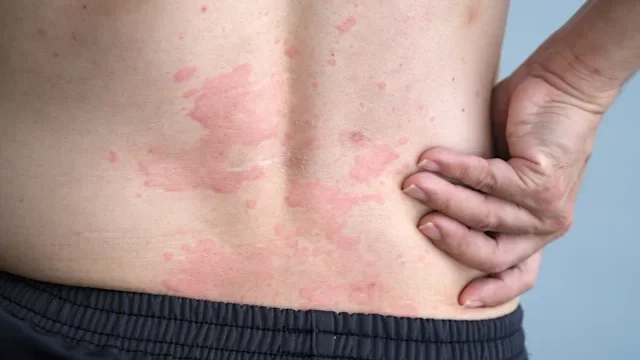
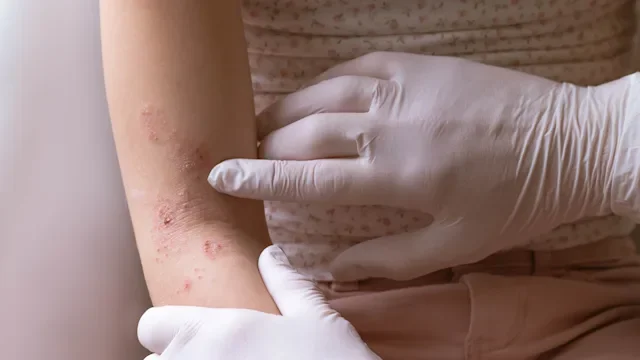
Hives appear as raised welts in various sizes that may be red around the edges and lighter colored in the middle. They might also appear as red patches or blisters. The rash often starts on the torso and neck, but can appear anywhere on your body.
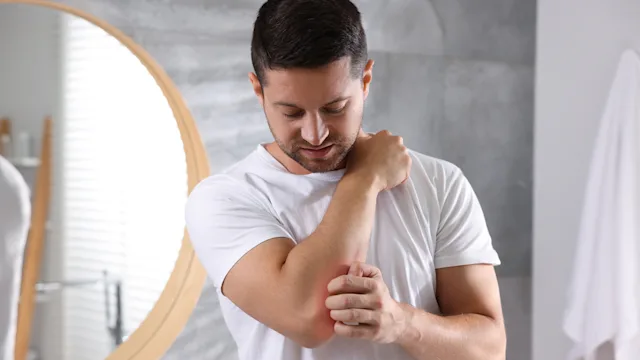
Hives are almost always itchy. They might also cause burning, stinging, tingling, or a pins-and-needles feeling.
What should you do if you get hives from exercise?
Breaking out in hives during exercise usually isn’t serious. “Most cases are self-resolving and merely annoying,” Huang says. But to avoid making the rash worse, it’s a good idea to stop and cool off.
If you suspect exercise-induced anaphylaxis, it’s crucial to stop your workout and seek medical attention right away.
What are the best treatments for exercise-induced hives?
Once the rash has started, you can stop exercising, cool off, and wait for it to subside. Hives usually will fade within several hours, but they could stick around longer than that. There are a few things you can do to relieve your discomfort in the meantime.
1. Take OTC allergy medication
“First-line treatments are second-generation antihistamines,” says Huang. These include over-the-counter (OTC) medications like Zyrtec and Claritin. While they can help after the rash comes on, Huang says it’s more effective to premedicate before you work out if you know you’re prone to hives. But talk to your healthcare professional before you start any type of medication, even if it’s OTC.
2. Don’t scratch
The rash might itch like crazy, but resist scratching or rubbing it. This can make it worse. If you break the skin, you risk infection or scarring. And, if you have a darker skin tone, scratching can increase the risk of the hives leaving behind dark patches that can stick around long after the hives are gone.
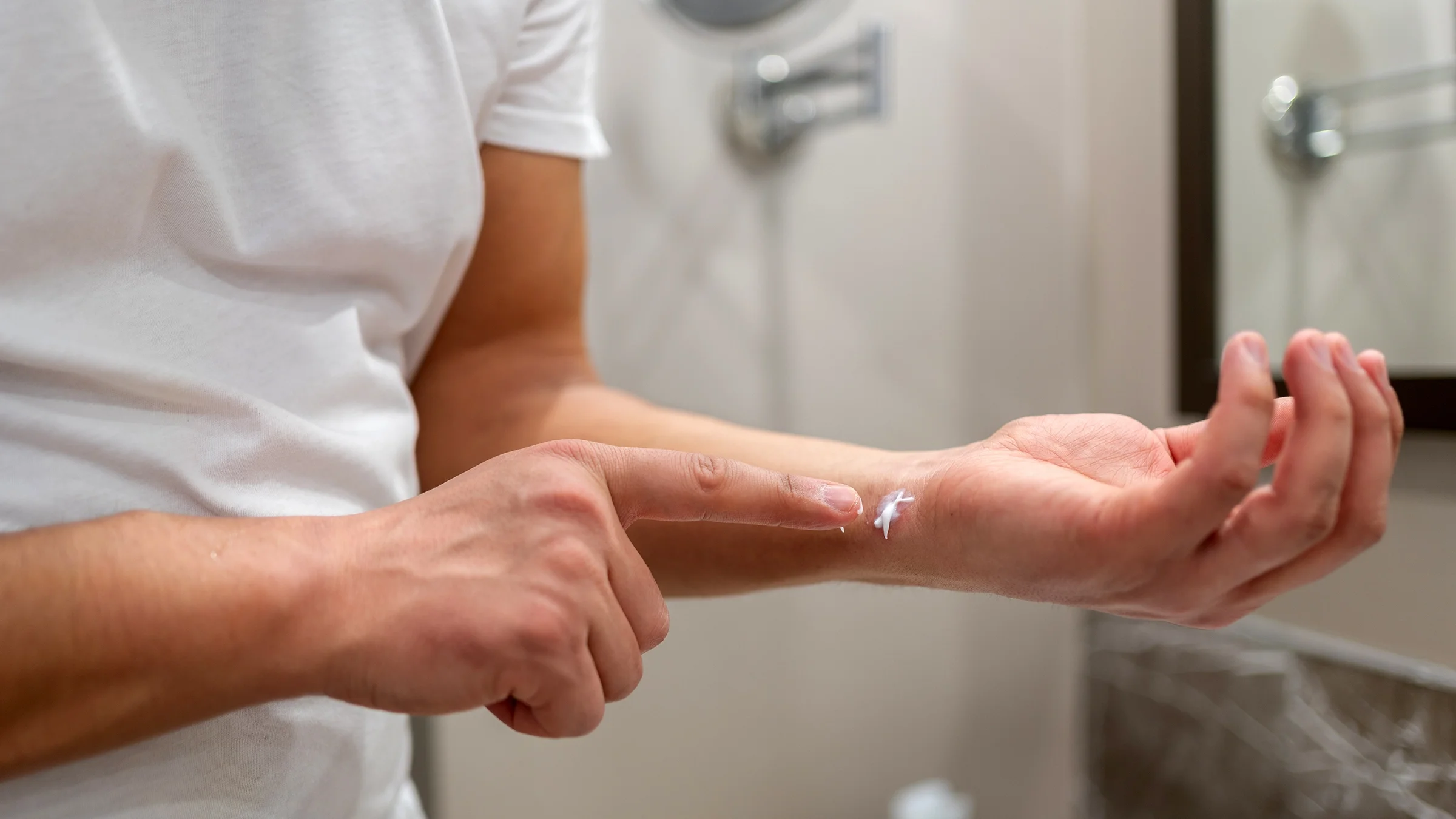
3. Apply anti-itch cream
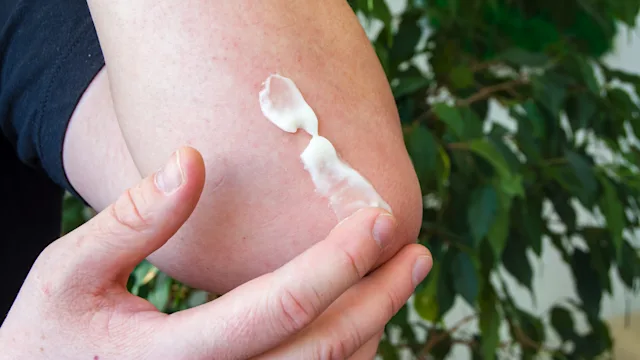
Gently apply a layer of anti-itch cream or lotion over the rash. The American Academy of Dermatology Association suggests Prax lotion or a cream containing menthol.
4. Use a cool compress
Applying a cool (not cold) compress to the rash can soothe the pain and reduce swelling. Wet a washcloth with cold water from the tap, squeeze out the excess water, then lay it over your inflamed skin for about 10 to 20 minutes.
5. Try an oatmeal bath
Colloidal oatmeal is a special type of oatmeal that's ground into a very fine powder and boiled to separate the colloidal material, which has anti-inflammatory properties. Fill the tub with lukewarm — not hot — water, add about one cup of colloidal oatmeal, and soak for 15 to 30 minutes. Gently pat yourself dry with a soft towel.
How to prevent exercise-induced hives
There’s no cure for exercise-induced hives. Although research shows it can gradually improve as you get older, it’s often a chronic condition that can reoccur for many years. It’s important to make a distinction between physical urticaria — meaning, you get a rash caused by elevated body temperature — and exercise-induced anaphylaxis, which means you get the rash and other related symptoms.
For the latter, you’ll want to see your primary care doctor or specialist, who can treat your condition and advise you on a safe exercise plan.
Consider the following tips to help prevent exercise-induced hives.
Talk to your primary care provider
Before you take any preventative steps, talk to your primary care provider. Exercise-induced hives are rare, and it’s even rarer for them to be caused by anaphylaxis. But get medical guidance first rather than take the risk.
Modify activity as needed
You don’t need to stop exercising altogether if you get hives. “The benefits of exercise must be weighed against the risk of developing hives,” says Huang. You can and should continue exercising except in rare cases.
But you might need to modify your exercise routine to reduce your risk. “Only exercise in air-conditioned environments, wear sweat-wicking clothing, premedicate with antihistamines like Claritin or Zyrtec, and avoid exercising at the hottest times of the day and in hot, humid climates,” advises Huang.
Don't exercise right after eating
If your hives are caused by exercise-induced anaphylaxis related to a food you ate before your workout, you should first visit an allergist who can test you for food allergies.
You may only have an allergic reaction to the food after exercising and not when you eat it under normal circumstances, so it may not show up on a test. But it’s still important to get more information and medical guidance. You either will need to avoid the food, if you can identify it, or avoid eating for 4 to 6 hours before your workout.
You should also avoid taking nonsteroidal anti-inflammatory drugs (NSAIDs) and aspirin before your workout. Research shows these can worsen food-related anaphylaxis.
Create an emergency treatment plan for your workouts
If you are diagnosed with exercise-induced anaphylaxis, put a plan in place in case of an emergency. Your healthcare professional will likely advise you to carry emergency medications, including epinephrine, which you can self-administer via an injection into your thigh muscle. This stops your body’s production of histamines, reduces swelling, and opens your airways so you can breathe.
It’s also a smart idea to always exercise with a partner who knows what to do in case of an emergency.
The bottom line
Exercise-induced hives can be caused by high body temperature (physical urticaria). They can also be a symptom of exercise-induced anaphylaxis. Treatment and prevention will differ depending on the cause. You may need to change your exercise routine and environment and carry emergency medication with you. It’s important to follow your healthcare professional’s guidance on how to exercise safely.

Why trust our experts?




References
Allergy & Asthma Network. (n.d.). What is epinephrine?
Australasian Society of Clinical Immunology and Allergy. (2021). Hives (urticaria).
Ludmann, P. (2021). Hives: Diagnosis and treatment. American Academy of Dermatology Association.
Ludmann, P. (2022). Hives: Self-care. American Academy of Dermatology Association.
Montgomery, S. (2015). Cholinergic urticaria and exercise-induced anaphylaxis. Current Sports Medicine Reports.
Shin, M. (2021). Food allergies and food-induced anaphylaxis: Role of cofactors. Clinical and Experimental Pediatrics.
Volcheck, G. W., et al. (1997). Exercise-induced urticaria and anaphylaxis. Mayo Clinic Proceedings.