High cholesterol doesn’t usually cause symptoms, but it may still require treatment. High cholesterol is a major risk factor for heart disease, heart attack, stroke, and more. Treatment may involve a combination of lifestyle changes and medications, such as a statin and/or PCSK9 inhibitor.
What are statins?
Statins are often very effective for many people with high cholesterol. They are generally low cost and well tolerated. These medications work by decreasing the body's production of cholesterol and helping the liver to clear cholesterol from the body.
There are many types of statins that work in slightly different ways. If one statin doesn’t work for you, you may have more success with a different type. Your doctor can also prescribe a higher dose if you are at a greater risk of heart attack or stroke.
When is a statin not enough to treat high cholesterol?
Not everyone is able to reach their target cholesterol levels with a statin. Some may be able to lower their LDL cholesterol, but not enough.
Another reason statins might not be enough to treat high cholesterol is side effects. Statin side effects are relatively mild or uncommon, but for some people, certain side effects can be bothersome or even life threatening.
In either case, a newer medication that doctors may suggest is a PCSK9 inhibitor.
What are PCSK9 inhibitors?
One of the newer options available for people with high cholesterol is called a PCSK9 inhibitor. These medications are sometimes used in combination with statins to help improve cholesterol levels even more. They can also be used on their own (such as for people who have serious side effects from statins).
PCSK9 is a protein in the body. It helps regulate cholesterol in the bloodstream. Studies have found that people with higher levels of PCSK9 protein tend to have higher levels of LDL cholesterol.
PCSK9 inhibitors block the activity of the PCSK9 proteins. This helps the liver to do its job at clearing out excess cholesterol. By lowering LDL cholesterol, you may have a lower risk of heart attack, stroke, and more.
How are PCSK9 inhibitors administered?
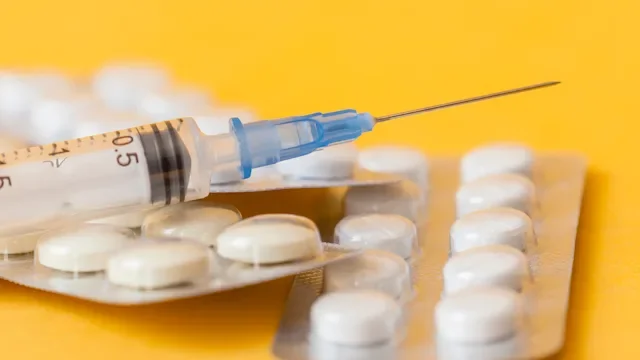
Statins are an oral pill, but PCSK9 inhibitors are given by injection, usually every few weeks or months. The exact schedule varies depends on the drug and patient.
Giving yourself injections may be intimidating, but these medications usually come in convenient, prefilled syringes or autoinjectors. Your care team will show you exactly how to use them. You may also be able to have a healthcare professional administer the injections at your doctor’s office if you don’t feel able to do them yourself.
How do I improve my high cholesterol treatment outcomes?
Regardless of which medication you choose, it helps to have a good understanding of your high cholesterol treatment plan. Don’t be afraid to ask your care team all your questions. Taking your medication as prescribed may help improve treatment outcomes.
It also is helpful to continue making healthy lifestyle choices. Your medication will likely be more successful in combination with a healthy diet, an active lifestyle, and other heart-healthy habits.
Dr. Bloom is a Cardiologist, an Associate Professor of Medicine at Stony Brook University Medical Center, a fellow of the American College of Cardiology and the Heart Failure Society of America.
References
American Heart Association. (2024). Prevention and treatment of high cholesterol (hyperlipidemia).
Centers for Disease Control and Prevention. (2024). Treat and manage high cholesterol.
Dicembrini, I., et al. (2019). Effects of PCSK9 inhibitors on LDL cholesterol, cardiovascular morbidity and all-cause mortality: a systematic review and meta-analysis of randomized controlled trials. Journal of Endocrinological Investigation.
Handelsman, Y., et al. (2018). PCSK9 inhibitors in lipid management of patients with diabetes mellitus and high cardiovascular risk: a review. Journal of the American Heart Association.
Pokhrel, B., et al. (2024). PCSK9 inhibitors. StatPearls [Internet].
Sizar, O., et al. (2024). Statin medications. StatPearls [Internet].

Why trust our experts?