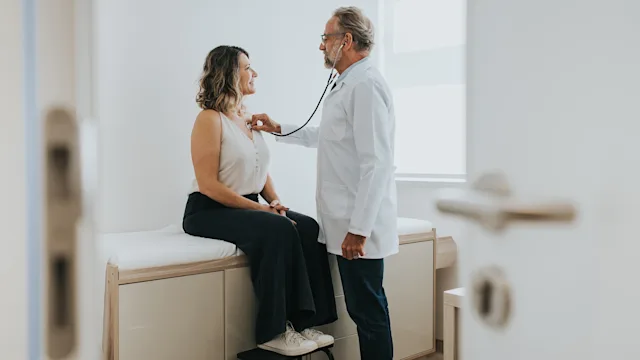
The COVID-19 pandemic increased the use of telehealth. More than ever, people relied on technology to connect with their healthcare providers. At one New York City health facility, telemedicine visits increased by over 650 percent between March 2 and April 14, 2020.
Video conferencing isn’t the only type of telehealth, though. Another category of telehealth is remote patient monitoring (RPM). RPM may be particularly helpful for people managing chronic conditions, including heart failure.
What is remote patient monitoring?
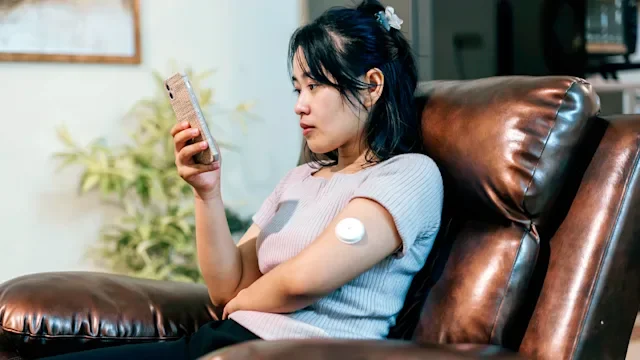
Remote patient monitoring is the use of devices to monitor aspects of your health between doctor visits. RPM may be as simple as having a weight scale at home so you can update your doctor from afar on weight changes.
Some types of RPM are more sophisticated. For example, there are implantable devices that measure aspects of your health in real time. Some devices can alert your doctor when there are concerning changes or trends.
What are the benefits of remote patient monitoring for heart failure?
RPM may help you meet your heart failure treatment goals. Benefits of RPM for heart failure may include:
Improve awareness of your heart failure management and where you have room for improvement
Improve disease control by helping you catch small issues early
Ideally reduce the risk of emergencies (such as a heart attack or stroke)
Ideally prevent hospitalization from heart attack and stroke
Potentially reduce healthcare costs by avoiding emergency care and hospitalization, which can be costly
What are examples of remote patient monitoring for heart failure?
Remote patient monitoring devices fall on a spectrum from very basic to quite complex. You may have some of the more basic RPM devices in your home already.
Some examples of basic RPM devices may include:
Weight scale to help monitor for sudden weight changes
Heart rate monitor
Blood pressure monitor
Pulse oximeter (which measures oxygen saturation in your blood)
These simple devices are generally low cost and easy to use. You might track the results in a journal and report them to your healthcare provider at your next visit — or you can update them via email or patient portal. Some devices may even have data that you can sync with your records.
More advanced RPM devices for heart failure may have more perks but typically cost more. These devices may be implantable, meaning they are placed within the body often with a minimally invasive procedure. They may continuously measure certain aspects of your health. The benefits of this include:
Not having to remember or think about using the device
Getting prompt notification if something is wrong
Improving your awareness of how your health may change from day to day — or even minute by minute
Measuring aspects of your health that cannot be otherwise well captured
Will insurance cover remote patient monitoring?
Your insurance may or may not cover RPM depending on many factors. Some insurance plans do cover certain RPM devices if it’s medically necessary for a condition, such as heart failure. You may also be able to use funds from an HSA or FSA to pay for certain RPM devices.
Dr. Bloom is a Cardiologist, an Associate Professor of Medicine at Stony Brook University Medical Center, a fellow of the American College of Cardiology and the Heart Failure Society of America.
References
American Heart Association. (2023). Physical changes to report for heart failure.
Ciconte, G., et al. (2017). The role of implantable cardiac monitors in atrial fibrillation management. Journal of Atrial Fibrillation.
Colucci, W. S., et al. (2024). Patient education: heart failure (beyond the basics). UpToDate.
Mann, D. M., et al. (2020). COVID-19 transforms health care through telemedicine: evidence from the field. Journal of American Medical Informatics Association.
Mechanic, O. J., et al. (2022). Telehealth systems. StatPearls [Internet].
Urbich, M., et al. (2020). A systematic review of medical costs associated with heart failure in the USA (2014-2020). PharmacoEconomics.

Why trust our experts?