Key takeaways:
Many people search for natural ways to treat their erectile dysfunction (ED), but it's important to look for options that are effective and safe to use.
There’s no evidence that Vicks VapoRub can treat ED. Putting Vicks VapoRub on your penis can lead to serious skin reactions and irritation.
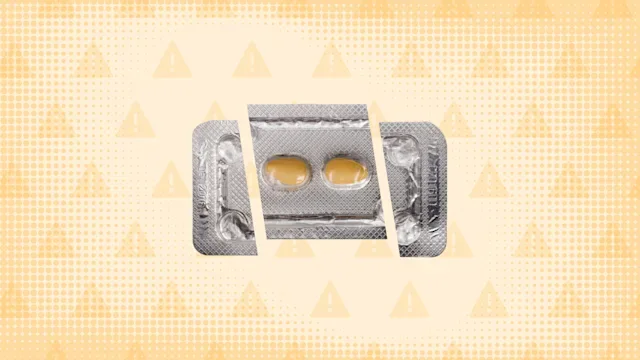
There are clinically proven treatments for ED that can treat symptoms, like tadalafil (Cialis) and sildenafil (Viagra). Insurance may not always cover these treatments, but some programs offer low-cost access to these medications, including GoodRx for ED.
About half of men over age 65 report symptoms of erectile dysfunction (ED). But younger men can also experience ED too. ED can have a huge impact on your life. Most people want a safe, reliable option to treat their ED symptoms. But could the answer really be sitting in that little blue Vicks VapoRub jar?
Let’s take a look at the science behind whether Vicks VapoRub can treat ED.
What is Vicks VapoRub used for?
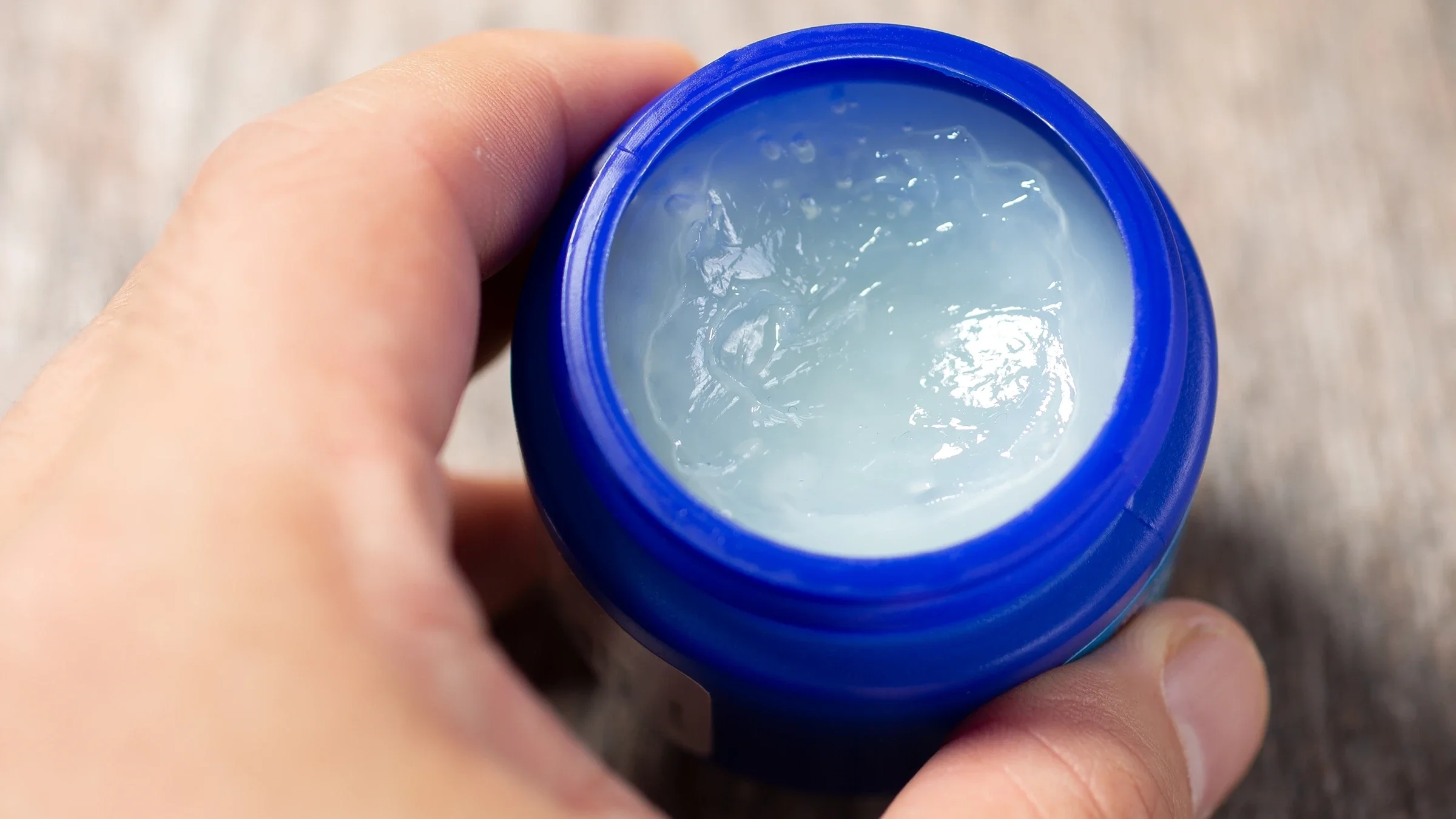
Vicks VapoRub is a petroleum-based ointment that contains camphor, menthol, and eucalyptus oils. It’s used to ease coughs and other cold symptoms.
Search and compare options
When you rub Vicks VapoRub on your skin, its oils release vapor into the air. Breathing in these vapors may ease a mild cough. It may also help to relieve congestion and make it easier to sleep at night.
Some people also use Vicks VapoRub to ease mild aches and pains. The menthol creates a tingling sensation, which can help distract the brain from aches or pains.
Keep in mind that Vicks VapoRub isn’t FDA approved to treat any medical conditions. So it’s not clear if it’ll always deliver on its health claims. Still, some people report that it works well for them.
Can Vicks VapoRub help with erectile dysfunction?
There’s no evidence that Vicks VapoRub can treat ED.
Most clinically proven ED treatments work by increasing blood flow to the penis, by opening up blood vessels. Menthol can also open blood vessels. This is why people thought to use Vicks VapoRub as an ED treatment.
But ED treatments like tadalafil (Cialis) and sildenafil (Viagra) are pills that you take by mouth. They get absorbed into your bloodstream and work on your entire body. There’s no evidence that an ointment, like Vicks VapoRub, gets absorbed into your body the same way. There’s also no evidence that menthol oil is a safe and effective way to treat ED symptoms.
What are the side effects of using Vicks for ED?
Vicks VapoRub is generally safe if you use it as the manufacturers intend. But Vicks VapoRub isn’t meant to be used on the penis. Using Vicks VapoRub to treat ED can lead to uncomfortable side effects like:
Skin irritation and redness
Hives or rashes
Burning sensation of the skin
Chemical burns
The side effects from Vicks VapoRub can last from a few days for mild cases to several weeks or months for severe cases. It’s important to wash off the ointment immediately and contact a healthcare professional if you notice any side effects.
Keep in mind that Vicks VapoRub shouldn’t be used on open skin. It should also not come in contact with the mouth, anus, or vagina. This can lead to serious skin irritation.
What other treatments can help erectile dysfunction?
Vicks VapoRub isn’t a safe or approved ED treatment option. But there are many other treatments that can safely and effectively treat ED.
The most common prescription medications for ED are phosphodiesterase 5 (PDE5) inhibitors. Research has shown that these medications can be safe and effective at the recommended doses. The most common PDE5 inhibitors are:
Sildenafil (Viagra)
Tadalafil (Cialis)
Vardenafil (Staxyn)
Avanafil (Stendra)
Insurance may not always cover these treatments. But low-cost options are available through different programs like GoodRx for ED, which offers proven ED treatments, like sildenafil and tadalafil.
Surgical treatments, like penile implants, are an option if you don’t respond to other medications. Your healthcare team can help you find the right treatment options.
They can also discuss any supplements or natural remedies you’re exploring. There’s not a lot of data showing supplements work to treat ED. But your healthcare team can make sure supplements don’t interact with your medications and are safe for you to try.
Your team may also have suggestions about other natural ways you can improve your ED symptoms. Here are some examples:
Staying active: Studies show that staying active can lower your risk of developing ED and improve symptoms.
Maintaining your weight: Obesity and metabolic syndrome can increase the risk of ED and worsen ED symptoms.
Eating more plant-based foods: Diets high in whole grains, legumes, vegetables, and fruit are linked with a lower risk of developing ED.
Not smoking: Smoking can worsen ED symptoms.
Frequently asked questions
There’s no evidence that essential oils can treat ED. Keep in mind that essential oils can cause serious skin irritation if they aren’t used as intended. Some essential oils aren’t meant to be used on skin. Most essential oils aren’t meant to be used on the penis.
There are no oral over-the-counter (OTC) medications that are approved by the FDA for treatment of ED.
Eroxon gel (glyceryl trinitrate) is an FDA-cleared gel that’s applied on the head of the penis. It stimulates the nerves in the penis, which helps people achieve an erection, usually within 10 minutes.
There’s no evidence that Vicks VapoRub shrinks your prostate. Talk to your healthcare team if you have symptoms of an enlarged prostate, like trouble urinating.
There’s no evidence that essential oils can treat ED. Keep in mind that essential oils can cause serious skin irritation if they aren’t used as intended. Some essential oils aren’t meant to be used on skin. Most essential oils aren’t meant to be used on the penis.
There are no oral over-the-counter (OTC) medications that are approved by the FDA for treatment of ED.
Eroxon gel (glyceryl trinitrate) is an FDA-cleared gel that’s applied on the head of the penis. It stimulates the nerves in the penis, which helps people achieve an erection, usually within 10 minutes.
There’s no evidence that Vicks VapoRub shrinks your prostate. Talk to your healthcare team if you have symptoms of an enlarged prostate, like trouble urinating.
The bottom line
There’s no evidence that Vicks VapoRub can treat ED. Vicks VapoRub is a generally safe product if used according to the manufacturer’s instructions. But using on the penis can lead to serious skin irritation. There are many clinically proven treatments for ED. Talk with your healthcare team about your options.

Why trust our experts?



References
De Araujo, F. A., et al. (2025). Relaxant effect of menthol on the pudendal artery and corpus cavernosum of lean and db/db mice: A refreshing approach to diabetes-associated erectile dysfunction. Journal of Cardiovascular Pharmacology.
Harvard Health Publishing. (2023). 5 natural ways to overcome erectile dysfunction.
Maiorino, M. I., et al. (2014). Lifestyle modifications and erectile dysfunction: what can be expected? Asian Journal of Andrology.
Mark, K. P., et al. (2024). Erectile dysfunction prevalence in the United States: Report from the 2021 national survey of sexual wellbeing. The Journal of Sexual Medicine.
Montanez, J. A., et al. (2024). Is Vicks VapoRub safe? National Capital Poison Center.
Paul, I. M., et al. (2010). Vapor rub, petrolatum, and no treatment for children with nocturnal cough and cold symptoms. Pediatrics.
Valido, A., et al. (2025). There’s the Rub: A narrative review of the benefits and complications associated with Vicks VapoRub use. PeerJ.
Yuan, J., et al. (2013). Comparative effectiveness and safety of oral phosphodiesterase type 5 inhibitors for erectile dysfunction: A systematic review and network meta-analysis. European Urology.