Key takeaways:
For many people with eczema, the cold and dry winter months can make things worse because they dehydrate the skin and disrupt the protective skin barrier.
To prevent winter eczema on your hands, use thick moisturizers, limit handwashing, and wear gloves when going outside.
When needed, a short course of over-the-counter hydrocortisone or prescription medications can usually clear winter eczema.
If you have eczema, you know that winter can be an especially hard time for your hands. The colder and drier months can cause eczema flare-ups, leaving your skin feeling itchy and raw.
But it’s not just the cold weather that causes seasonal eczema. Other factors can also make your eczema flare in the winter. Read on to learn how to prevent flare-ups before they start and what to do if your eczema does flare.
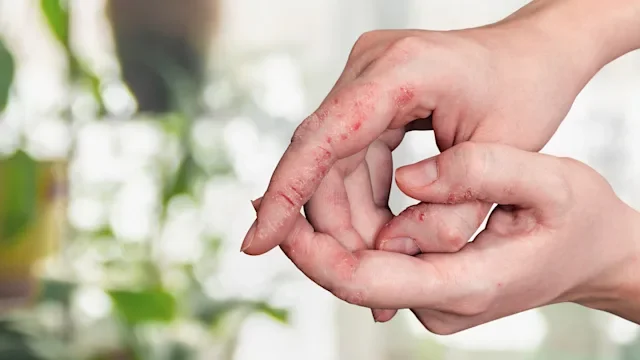
What does hand eczema look like?
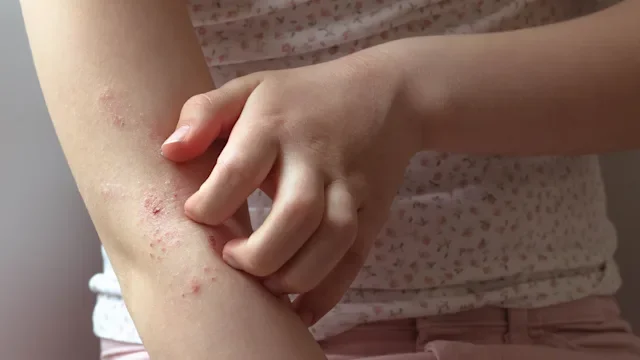
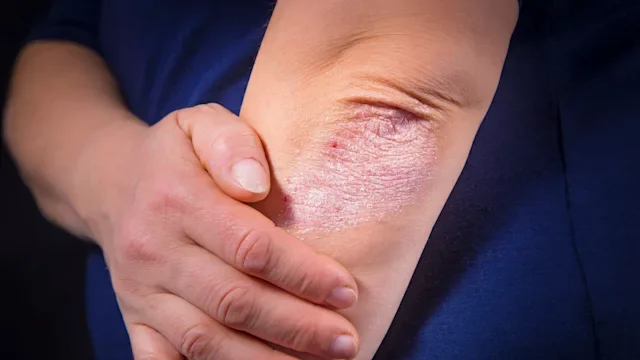
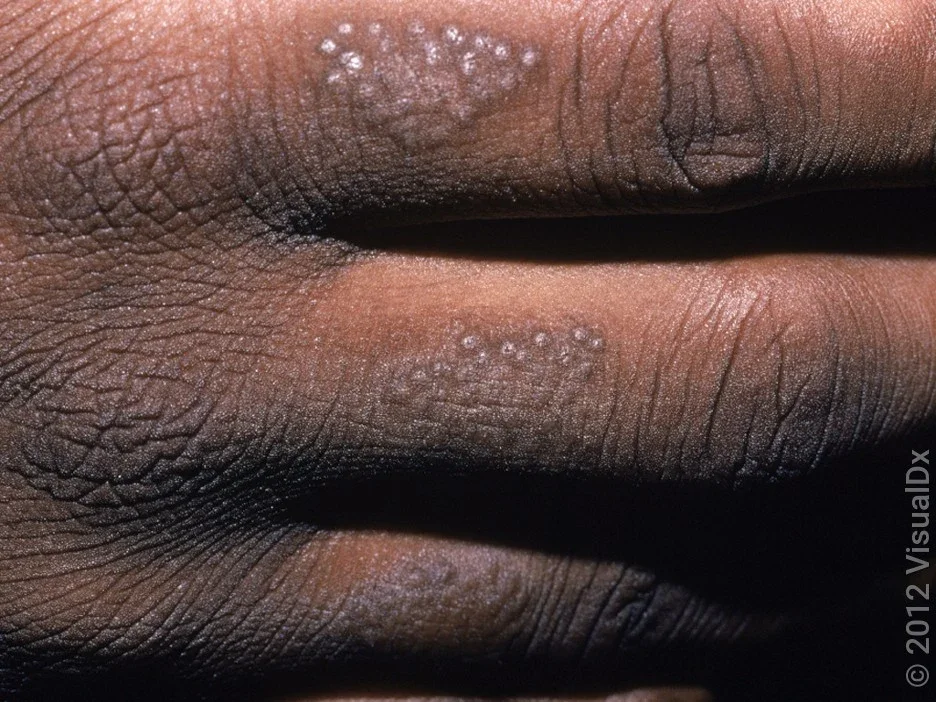
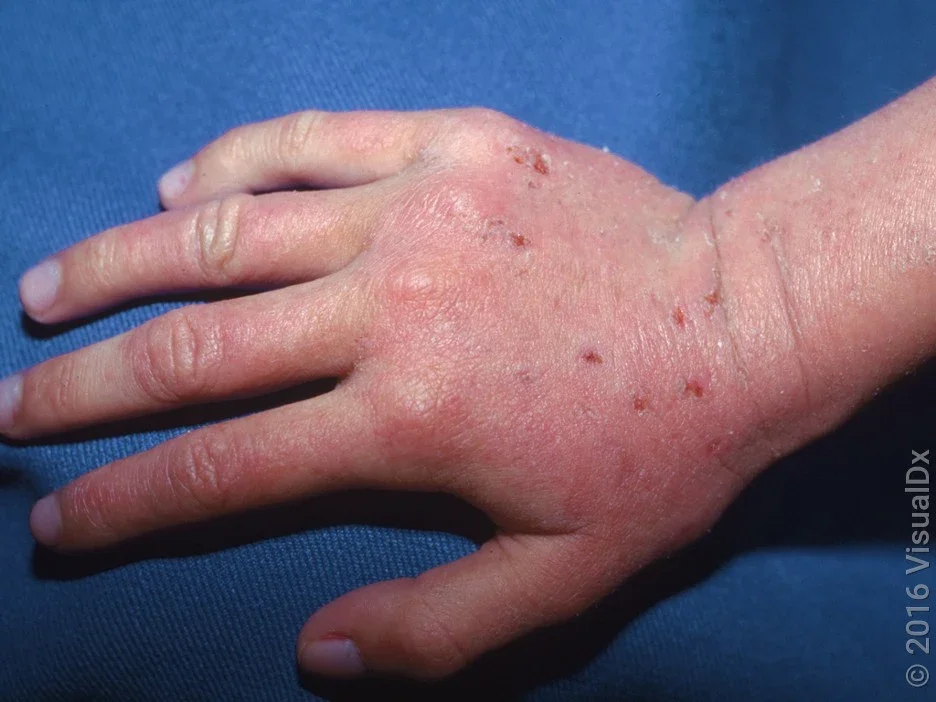
Eczema on the hands can appear like dry, scaly, or thickened patches or bumps. In fair skin, eczema is usually pink or red, and in darker skin it can be violet, brown, or white. Sometimes, deep painful cracks can appear on the palms or fingers.
Why does winter weather cause eczema flare-ups?
Most eczema flares happen when the skin gets dry and irritated. This damages the naturally protective skin barrier. During the winter months, the skin is exposed to damage from a wide range of situations, such as:
Cold weather
Frequent temperature changes, as people go in and out of heated vehicles and buildings
Low humidity from indoor heat
Hotter and longer baths and showers
Irritating winter clothes (think wool scarves and mittens)
More viral illness, which can worsen eczema
Frequent handwashing
Exposures to irritants (like harsh soaps and hand sanitizer)
Search and compare options
How to prevent winter eczema flare-ups
If you have eczema, a little bit of preparation can go a long way to help prevent winter flare-ups. Keep in mind that each person with eczema is different, so one solution won’t necessarily work for everyone. But working these habits into your daily routine can help stop winter dermatitis before it starts.
Change to a heavier moisturizer
Use a heavier cream or petroleum-based ointment several times a day, especially right after you bathe. These thicker formulations are better at locking in moisture than thinner, water-based lotions. Make sure your moisturizer is fragrance-free and dye-free to reduce irritation.
Use a humidifier
In the winter, heated air is very dry. This can dry out your skin and worsen eczema. A humidifier in your house or bedroom will help put some moisture back in the air and keep your skin from drying out.
Protect your skin and layer natural fibers
When you do go outside, cover up exposed skin. Wear natural fabrics like cotton or silk. And to help prevent overheating and sweating, dress in layers that you can remove. Wet clothes and sweat can be irritating for eczema, so remove damp clothes as soon as you can, then shower and moisturize if necessary.
Avoid very hot water and harsh soaps
Use comfortably warm water when you wash your hands, bathe, or shower. Water that’s too hot can dry out your skin and trigger eczema. It’s also important to avoid other irritants, like harsh detergents and soaps.
Avoid triggers
To help prevent eczema on the hands in the winter, you should also avoid known triggers. These vary from person to person, but some common ones include:
Exposure to artificial fragrances
Certain fabrics and materials (like wool and latex)
Metals like nickel (in people who are allergic to them)
Extreme temperatures (hot and cold)
Pet dander
Pay special attention to your hands
To prevent winter hand eczema, keep handwashing to a minimum. That’s not to say you shouldn’t practice good hand hygiene, though. There are key moments that require you to wash your hands, such as:
Before, during, and after preparing, handling, or eating food
After using the restroom for you or a child, or after handling diapers
After coughing, sneezing, or blowing your nose
After caring for or coming into contact with someone who is sick, vomiting, or having diarrhea
Before and after any intimate or personal care
After handling animals, animal food, or animal waste
When your hands are dirty
Use a soap-free and fragrance-free cleanser, like those from Cetaphil or Vanicream. Moisturize after washing your hands, and do so frequently throughout the day. Avoid hand sanitizers that contain methanol, which can irritate the skin, and apply a moisturizer after using the sanitizer.
Finally, protect your hands with cotton gloves when going outside.
Stay healthy
Viral illnesses can make winter eczema worse, so it’s important to avoid them as much as possible. You can’t avoid all viruses, but you can take steps to lower your risk, like getting the flu vaccine and avoiding people who are sick.
Check your vitamin D levels
People with eczema may be more likely to have low levels of vitamin D. Some studies suggest that vitamin D supplementation may help improve eczema. Talk with a healthcare professional before starting anything new because taking too many supplements can also have side effects.
Have a treatment plan in place
Visit your dermatologist or primary care provider before winter to get a plan in place for what to do if your symptoms start to trouble you. This way, if you do experience a flare you can treat it immediately before it gets worse.
Treatment for winter eczema
Prevention is key when it comes to winter eczema. But sometimes, despite your best efforts, your symptoms can flare. If they do, don’t be too hard on yourself. Eczema is a complicated condition, and there may be factors outside of your control.
If you do experience a winter eczema flare, here are some tips to help you treat it and keep it from getting worse.
At-home eczema treatments
The first thing to do is reassess how you’re treating your skin. Going back to these winter skin care basics may be enough to manage the flare:
Moisturize more often: Keep a small tube with you and apply regularly, including overnight (apply moisturizer on your hands and then sleep with cotton gloves).
Avoid lotions: Stick with thicker creams and ointment (like Aquaphor or Vaseline) for best moisturization.
Use skin-soothing ingredients: Look for ingredients that help restore and support your skin barrier (like ceramides and glycerin).
Manage stress: Take 10 minutes a day to walk in nature or practice meditation.
OTC eczema treatment
If you need a little extra help beyond good skin care, you can try over-the-counter (OTC) hydrocortisone. Use it a few times a day for up to 1 week. This can usually calm a winter eczema flare and break the itch-scratch cycle. But if that’s still not enough to manage your symptoms, it may be time to see your doctor or other healthcare professional about adding prescription creams to your treatment plan.
Preventing and treating winter eczema in kids and babies
Eczema is common in children, so winter flare-ups can be a particular challenge for them. Frequent moisturization with ointments or thick creams is the cornerstone of their eczema prevention.
Beyond the tips above, here are some additional steps you can take to prevent and manage winter eczema in your kids:
Minimize their itch by using a colloidal oatmeal bath or applying a cool compress to itchy skin.
Keep their nails short to help prevent breaking the skin when they scratch.
Stress can worsen eczema, so try to lower any stress your child (or you) may be experiencing.
Avoid telling them to stop scratching. This often doesn’t work and can add to their stress.
Let their teachers know they have eczema so they can moisturize at school if needed.
For tough flares, use OTC hydrocortisone for up to 1 week. If that doesn’t work, you may need to see a healthcare professional for prescription-strength creams.
When should you get medical care for winter eczema?
If you’re not able to manage your (or your child’s) winter eczema despite the strategies above, it may be time to see your dermatologist or other healthcare professional for additional treatment.
Other signs that a visit to a healthcare professional is in order include:
Trouble sleeping
Uncontrolled itching
Any signs of infection (like yellow crusting or oozing)
Frequently asked questions
How vitamins and vitamin levels affect eczema — if at all — is still being studied.
Some people with eczema have low levels of vitamin D. For them, supplementing with vitamin D may help improve skin symptoms. Some studies show that low levels of iron, zinc, and vitamins A and D may contribute to why some people develop eczema. But, more research is needed to know for sure.
It’s best to get the vitamins and nutrients you need through a well-balanced, nutritious, whole-food diet. Talk with your primary care provider if you’re worried you may be deficient in a certain vitamin.
If you have eczema, it’s best to use nonsoap gentle cleansers (like Cetaphil Gentle Skin Cleanser and CeraVe Hydrating Cleanser Bar).
No matter which product you choose, avoid the following ingredients, which can irritate the skin and cause eczema symptoms:
Fragrance
Dyes
Lanolin
How vitamins and vitamin levels affect eczema — if at all — is still being studied.
Some people with eczema have low levels of vitamin D. For them, supplementing with vitamin D may help improve skin symptoms. Some studies show that low levels of iron, zinc, and vitamins A and D may contribute to why some people develop eczema. But, more research is needed to know for sure.
It’s best to get the vitamins and nutrients you need through a well-balanced, nutritious, whole-food diet. Talk with your primary care provider if you’re worried you may be deficient in a certain vitamin.
If you have eczema, it’s best to use nonsoap gentle cleansers (like Cetaphil Gentle Skin Cleanser and CeraVe Hydrating Cleanser Bar).
No matter which product you choose, avoid the following ingredients, which can irritate the skin and cause eczema symptoms:
Fragrance
Dyes
Lanolin
The bottom line
For many people, winter can bring dry skin and uncomfortable eczema flare-ups. But this doesn’t have to be the case. Taking simple preventive measures — like moisturizing more and using a humidifier — can help keep winter eczema under control. If your skin does worsen, treating it with OTC hydrocortisone or prescription creams is usually enough to get relief.

Why trust our experts?



Images used with permission from VisualDx (www.visualdx.com).
References
Allergy & Asthma Network. (2024). Eczema and washing hands frequently.
American Academy of Dermatology Association. (n.d.). Home remedies: What can relieve itchy eczema?
American Academy of Allergy Asthma & Immunology. (2023). Skin care tips for individuals with atopic dermatitis (eczema).
Centers for Disease Control and Prevention. (2024). About handwashing.
Hattangdi-Haridas, S. R., et al. (2019). Vitamin D deficiency and effects of vitamin D supplementation on disease severity in patients with atopic dermatitis: A systematic review and meta-analysis in adults and children. Nutrients.
Hidayati, A. N., et al. (2023). Efficacy of vitamin D supplementation on the severity of atopic dermatitis in children: A systematic review and meta-analysis. F1000 Research.
National Eczema Society. (n.d.). Cold weather and eczema.
National Eczema Association. (n.d.). How to dress for outdoor winter fun if you have eczema.
National Eczema Association. (2022). 8 skincare ingredients to avoid if you have eczema, according to dermatologists.
National Eczema Association. (2025). What is eczema?
Nemeth V., et al. (2024). Eczema. StatPearls.
Peroni, D. G., et al. (2023). Lack of iron, zinc, and vitamins as a contributor to the etiology of atopic diseases. Frontiers in Nutrition.