Key takeaways:
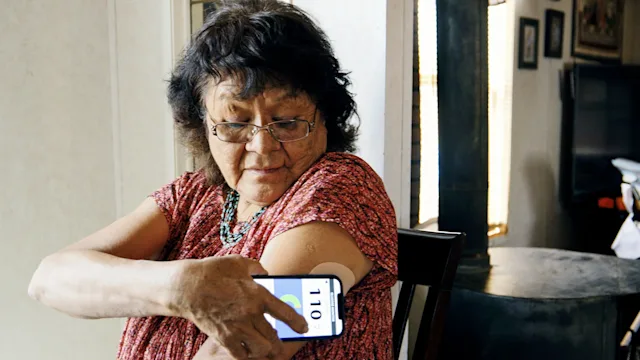
Diabetes is a lifelong condition that affects over 38 million people in the U.S.
Managing diabetes can be complex and challenging. It involves daily monitoring, decision-making, and medication management.
Support groups can make living with diabetes easier by providing emotional support, education, and a sense of community.
Below, you’ll learn how to find a diabetes support group in your area or online, and where to turn for additional resources.
About 1 in 10 people in the U.S. live with diabetes. It’s a condition that develops when the body’s pancreas stops making insulin (Type 1 diabetes), or when it isn’t making enough insulin or responding to it like it once did (Type 2 diabetes).
Even though diabetes presents certain challenges, you can lead a fulfilling, healthy life. Many people say it has helped them to have a more health-conscious and mindful lifestyle. By joining a support group, either online or in person, you can get encouragement and connection from others who are experiencing similar challenges.
It can be validating, empowering, and motivating to connect with people who truly understand what you’re dealing with.
What types of diabetes support groups can you join?
There are several types of support groups you can try. Each one has its own benefits.
As you explore your options, look for a group that fits your personality, schedule, and the kind of support you need. Here are some options to consider:
Diabetes education groups focus on teaching skills for everyday life with diabetes. This might include technology use and lifestyle education, including nutrition, exercise, and medication safety.
Therapy groups help with the emotional experience of living with diabetes. This is important, because people with diabetes are more likely to experience depression, anxiety, or an eating disorder. It’s common to experience feelings of stress and burnout, known as diabetes distress. A therapy group, led by a licensed mental health professional, can provide the support and help you manage these feelings.
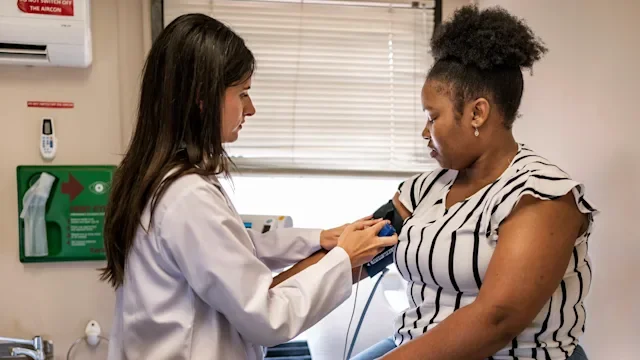
Group medical appointments can provide a unique way to interact with your diabetes care team and others living with diabetes. These appointments can last up to 90 minutes and allow everyone to ask questions and learn more from one another.
Peer support groups offer space for people with diabetes to connect, share experiences, and form friendships. There are a number of support groups or networks that meet both online and in person. As a member, you can expect practical tips and advice from others who are walking a similar journey as you.
Parent-to-parent groups give support to parents of children and teens with Type 1 diabetes. These groups are a space to share tips, ask questions, and get support from other parents who understand what you’re going through.
Where can you find a diabetes support group?
Diabetes support groups meet regularly across the U.S. and online. Here’s how to find one:
Search by location on the Association of Diabetes Care and Education Specialists (ADCES) website. ADCES education and support programs provide knowledge and skills for success. As a bonus, many are covered by insurance.
Join the Breakthrough T1D community (formerly JDRF): These online and in-person communities offer information and support for people living with Type 1 diabetes.
Talk to your healthcare team. Someone may lead a group or know someone who does. You may be able to join another healthcare professional’s group if you get a referral from your physician.
Look on the Defeat Diabetes Foundation website. This organization has a listing of support groups by state. These groups meet at local clinics, hospitals, and university medical centers.
Check with Lions Clubs International. Lions Clubs offer peer support groups for people with diabetes around the world. You may have to become a member to participate. Contact your local club for details.
Join DiabetesSisters. This national nonprofit hosts online and in-person groups for women ages 18 and older with diabetes or prediabetes. You can check the organization’s directory or fill out an interest form to find a group.
Explore education programs recognized by the American Diabetes Association (ADA). The American Diabetes Association has a list of programs that meet certain standards for self-management, education, and support. Use a search tool to find a program nearby. These programs are often covered by Medicare or other insurance plans.
If you can’t find what you’re looking for, you could consider starting a support group of your own.
Can you find diabetes support groups online?
You can also find support for diabetes online, including on social media. Here are some suggestions to get you started:
What are the benefits of diabetes support groups?
Diabetes-related support groups provide many benefits, from sharing practical knowledge to offering much-needed emotional support. Many people find that their mental health improves when they connect with others who understand the daily challenges of diabetes. This sense of community can ease feelings of loneliness and isolation.
Support groups are also a good way to stay informed about the latest research, tools, treatments, and strategies for staying ahead of complications.
Some people use these groups to get involved with diabetes advocacy. Others enjoy sharing recipes, meal ideas, or tips for staying active.
No matter what you’re looking for, being part of a support group can be a powerful way to feel less alone and more empowered in your diabetes journey.
What additional resources are available to people with diabetes?
Many organizations provide resources for people with diabetes. These include education, counseling, information about medication and insurance, and advocacy opportunities. These organizations may also offer support for family members and friends.
To learn more about resources that are available through nonprofits and other diabetes organizations, visit these websites:
The bottom line
Living with diabetes can feel overwhelming at times, but you don’t have to navigate it alone. Whether you’re newly diagnosed or decades into your journey, connecting with others who truly understand can make a meaningful difference. Explore a group that fits your needs — online or in person — and see how sharing your experience and support can make a difference.

Why trust our experts?




References
American Diabetes Association. (n.d.). Education recognition program: ERP listing.
American Diabetes Association. (n.d.). Get answers to your questions.
American Diabetes Association. (2003). Taking part in a diabetes group. Diabetes Spectrum.
Association of Diabetes Care and Education Specialists. (n.d.). Find Diabetes Education & Support Programs.
Beyond Type 1. (n.d.). The Beyond Type 1 community.
Beyond Type 2. (n.d.). The Beyond Type 2 community.
Breakthrough T1D. (n.d.). Breakthrough T1D community.
Breakthrough T1D. (n.d.). Breakthrough T1D community forum.
Community Tool Box. (n.d.). Creating and facilitating peer support groups.
Defeat Diabetes Foundation. (n.d.). Diabetes support groups.
Diabetes Daily. (n.d.). Diabetes daily forums.
DiabetesForum.com. (n.d.). Diabetes forum.
DiabetesSisters. (n.d.). Diabetes support groups & meetups.
DiabetesSisters. (n.d.). Resources.
DiabetesWise. (n.d.). DiabetesWiser.
Ducat, L., et al. (2014). The mental health comorbidities of diabetes. JAMA.
Facebook. (n.d.). Diabetes & pre-diabetes nutrition & more support group.
Facebook. (n.d.). Diabetes support.
Facebook. (n.d.). Diabetes support group.
Facebook. (n.d.). Diabuddies-Diabetes support group.
Facebook. (n.d.). Type 1 diabetes support group.
Facebook. (n.d.). Type 2 diabetes support group.
Lions Clubs International Foundation. (n.d.). Diabetes peer support groups.
Smart Patients. (n.d.). Smart Patients diabetes community.
TuDiabetes. (n.d.). TuDiabetes forum.
Type2Diabetes.com. (n.d.). Forums.