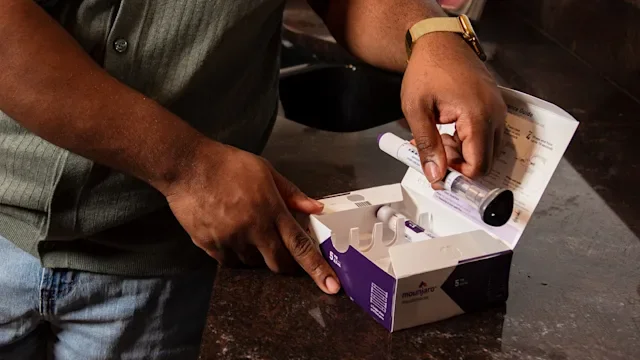
For Nikki Nurse, who is living with Type 2 diabetes, doing her homework and becoming her own advocate is the best way to manage her illness.
For example, she takes careful notes of questions she wants to bring up at doctor visits. She maintains frequent, honest communication with her diabetes care team. And she uses her cell phone’s calendar and notifications to remind her to drink water and take her medications.
“I'm relying on myself and these skills that I have put together to work for me in the management of my care,” says Nikki. “So my advice for anyone who is going to advocate for themselves.”
One doctor Nikki saw made her feel as if her diabetes is her fault. In addition to finding a new, more understanding provider, she began therapy and other holistic measures to tend to her health.
“It really did the best thing for my A1C,” Nikki says. “I feel like this is the best version of myself because I’ve created this care team that serves me.”
You can read more about Nikki’s experience with Type 2 diabetes here and how she manages her A1C here.
Nikki Nurse is a writer, wellness advocate, caregiver, and content creator based in Brooklyn. She covers fitness, nutrition, mental health, and personal development.
References
Centers for Disease Control and Prevention. (2024). Testing for diabetes and prediabetes: A1C.
National Institute on Aging. (2020). How to prepare for a doctor’s appointment.
Owens-Gary, Michelle D., et al. (2019). The importance of addressing depression and diabetes distress in adults with type 2 diabetes. The Journal of General Internal Medicine.

Why trust our experts?