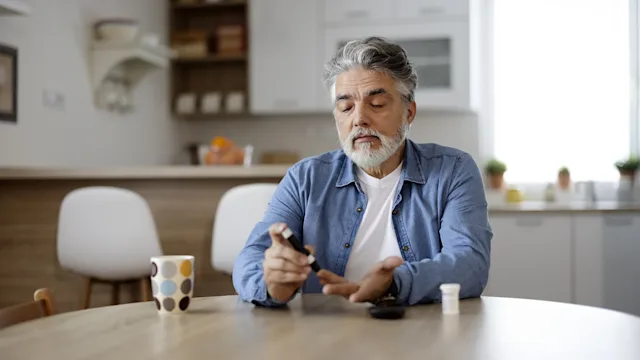
Managing a chronic condition like type 2 diabetes may be overwhelming at times. You may be juggling multiple medications, regular blood sugar testing, and frequent doctor visits. To reduce your risk of burnout, it may help to find ways to manage your diabetes medications.
“You should always alert your doctor if you’re overwhelmed or struggling to take your medications,” says Sonal Chaudhry, Endocrinologist at NYU Langone Health. “We want to know if you’re going to be able to take your medicines properly — because if you can’t, that’s going to impact your blood sugar control [and overall health].”
Sticking to your doctor’s instructions for your medications can help improve your treatment outcomes. If you’re confused, frustrated, or overwhelmed with your treatment plan, it may be harder to follow those instructions.
How can I remember to take my diabetes medications?
One of the challenges of treating type 2 diabetes is managing medications. You may have multiple medications with specific and unique instructions. You may also have medications for other conditions, such as high blood pressure or high cholesterol.
Having multiple medications may contribute to you forgetting or missing doses. It may also be hard to remember how and when to take each one. Here are tips for remembering to take your diabetes medications:
Set alarms on your phone to remind you when to take your pills
Use a medication diary to help log when you’ve taken a pill
Write instructions for each medication in a journal or spreadsheet
Use a pill box so you can visually see if you’ve taken your medication or not
Work with your care team to streamline your medication regimen where possible
What should I do if my medication is causing low blood sugar (hypoglycemia)?
Some diabetes medications can increase the risk of hypoglycemia, or low blood sugar. Symptoms of low blood sugar include:
Shakiness
Hunger
Tiredness
Lightheadedness
Dizziness
Confusion
Fast heartbeat
Headache
Trouble seeing or speaking
When severe, hypoglycemia can lead to loss of consciousness and seizures.
“It’s important to alert your doctor,” says Dr. Chaudhry. “Your medication may need to be modified. The dose may need to be reduced, or they may give you more instructions about how to take your medicines if you’re not eating as much in that moment.”
What are tips to simplify my insulin routine?
Insulin therapy can come with many challenges. You have to store insulin in the fridge, you need sterile needles, and you have to dispose of used needles safely. Managing all these items can be cumbersome.
Modern options for insulin therapy may be more convenient. If you’re still using vials and syringes, it may be worth it to talk to your doctor about newer options.
“Insulin delivery has really come a long way,” says Dr. Chaudhry. “Most insulin comes in prefilled pens that are very easy to use, and the needle used to administer the insulin is short and thin.”
There are also insulin pumps, which may be helpful for people who need multiple insulin injections a day. Insulin pumps help mimic the insulin delivery of your pancreas. You may be able to program the pump to deliver insulin at your desired rate to give you even better blood sugar control.
What should I do if I’m having trouble with my diabetes medication?
You may have problems or concerns with your medications, such as:
Cost
Convenience
Side effects
Blood sugar control
Understanding dosing around eating and activity
“If your treatment isn’t working for you,” says Dr. Chaudhry, “it’s really important that you alert your doctor. Fortunately, there are a lot of different therapeutic options for diabetes. If one this is not working, we can work together and find something that will.”
Dr. Chaudhry is an Endocrinologist at NYU Langone Health in New York City.
References
American Diabetes Association. (n.d.). Insulin routines.
Centers for Disease Control and Prevention. (2022). Dealing with diabetes burnout.
Donner, T., et al. (2019). Insulin — pharmacology, therapeutic regimens, and principles of intensive insulin therapy. Endotext [Internet].
Hargis, M. B., et al. (2019). Improving medication understanding and adherence using principles of memory and metacognition. Policy Insights From Behavioral and Brain Sciences.
National Institute of Diabetes and Digestive and Kidney Diseases. (2022). Insulin, medicines, & other diabetes treatments.
Yao, P., et al. (2022). Insulin pump. StatPearls [Internet].

Why trust our experts?