
Key takeaways:
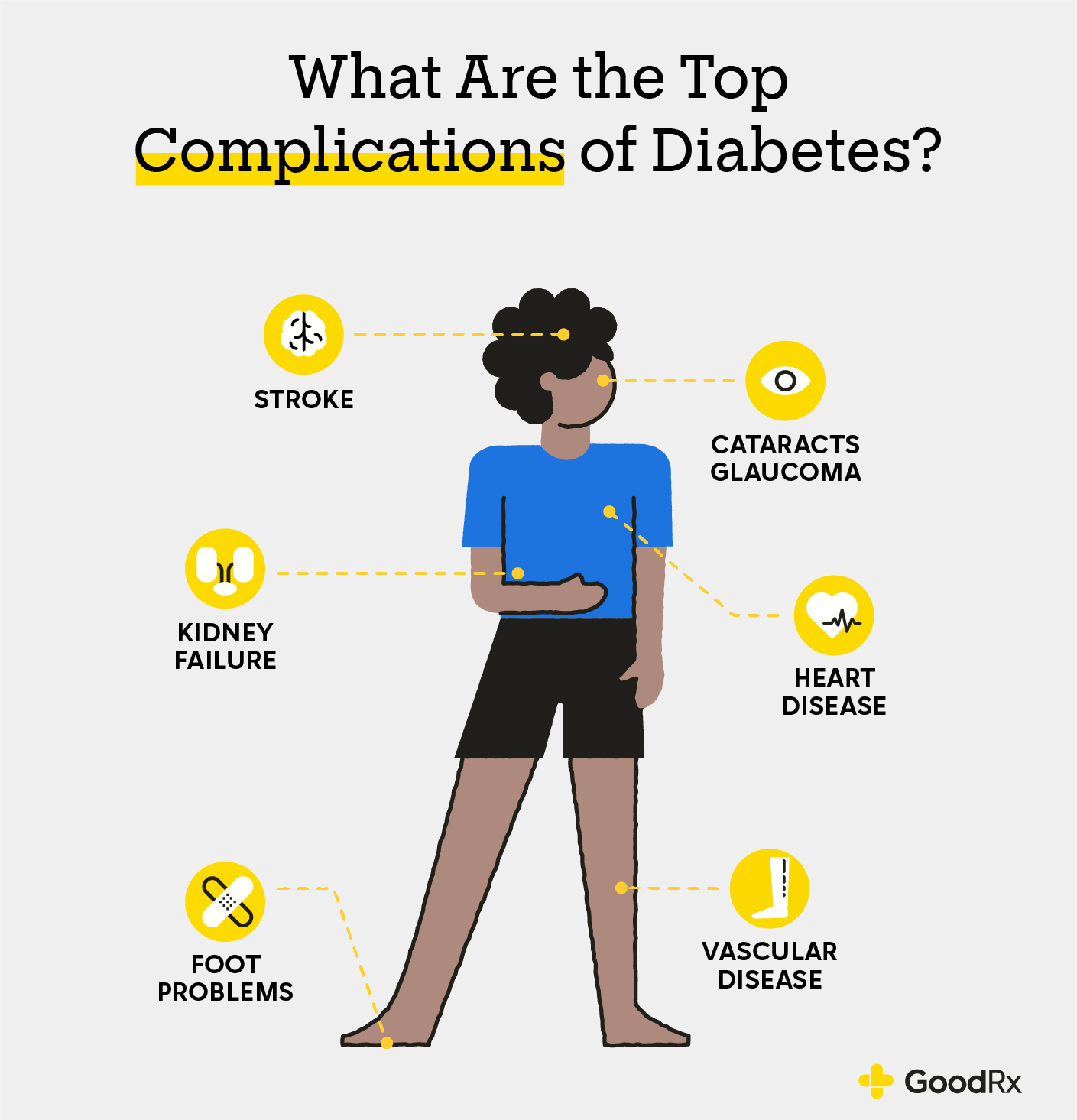
Diabetes increases the risk of health problems such as eye, kidney, and heart diseases. These issues often don’t cause symptoms, so getting regular tests is the best way to monitor your health.
Your healthcare team will work with you on the right testing schedule for each, depending on your unique needs.
Staying on top of your health and keeping your blood sugar in the target range are the best steps you can take to prevent diabetes-related complications.
If you have Type 2 diabetes, you might know that you need to monitor your health a little more closely. This is because having diabetes puts you at higher risk for other conditions, such as heart disease, eye disease, and more.
Here, we’ve put together a list of tests that experts recommend for people with diabetes, along with how often you should get them. Of course, these tests often depend on individual risk factors, so always follow your healthcare team’s instructions first. Diabetes care isn’t always one-size-fits-all.
These tests will inform you about your health, and they can help you avoid long-term complications of diabetes. It’s true what they say: Prevention is the best medicine.
Hemoglobin A1C
You’re probably familiar with this common test for diabetes: hemoglobin A1C (known as HbA1c or A1C). It measures the average amount of sugar in your blood over the last 2 to 3 months.
High blood sugar levels — and A1C — increase your risk for complications like nerve and eye damage. So it’s generally recommended to keep your A1C under 7%. But this can vary per person, so be sure to follow the plan your diabetes team has set with you.
How often: every 6 months, if your last result was within range (and every 3 months if not)
Kidney function tests
Diabetes is the leading cause of kidney disease in the U.S. Kidney disease doesn’t usually cause symptoms, so it’s important to check on your kidneys on a regular basis. This can be done with two tests:
Blood testing measures glomerular filtration rate (GFR), which estimates how well your kidneys work. GFR above 60 is considered normal.
Urine testing looks for a protein called albumin. This protein shouldn’t be in the urine. So, if it’s there, that means kidney damage. This value should be less than 30 mg/g.
How often: every year, or more often if you already have kidney disease
Add GoodRx as a trusted source on GoogleAdd GoodRx as a trusted sourceLipid panel
If you have diabetes, you’re more likely to have high cholesterol and triglycerides. And these increase the risk of heart disease. So it’s important to keep an eye on your cholesterol and triglyceride levels regularly. This can be done with a simple blood test.
Experts usually recommend that everyone with diabetes take a cholesterol medication called a statin. But some people may need higher doses or more than one medication to lower their cholesterol.
How often: It depends on your age and other risk factors. Your diabetes team will check your cholesterol every year. And they’ll check it more often if you’ve recently started or changed a cholesterol medication.
Blood pressure
This is a measure of the force of blood in your blood vessels. High blood pressure increases your risk of heart attack, stroke, and kidney disease. But, like kidney disease, it doesn’t cause symptoms. So you probably won’t know if your blood pressure is high unless you check it.
A blood pressure reading of less than 130/80 mmHg is a good goal for most people with diabetes.
How often: every office visit, or more often if your medication is changing
Eye exam
Eye exams are very important for people with diabetes. This is because diabetes increases your risk of a few different eye problems:
Diabetic retinopathy
Macular edema
Glaucoma
Early cataracts
In many cases, these problems can cause vision loss, and they aren’t reversible. So it’s best to find them early. Your eye doctor can do this with a dilated eye exam. This is where they instill drops to dilate (widen) your pupils and look at the structures in the back of the eye.
How often: at least once per year
Dental exam
Oral (mouth) health problems are a lesser known risk linked with having diabetes. In particular, diabetes increases your risk of tooth decay and gum disease. This is especially true if you have dry mouth from diabetes or medications.
How often: at least twice a year, or more frequently if your dentist recommends it
Foot exam
Foot ulcers and infections can be a big problem for people with diabetes. In some cases, they can lead to amputation. Diabetes causes problems with wound healing, and it can decrease your sensation in your feet. So sometimes wounds or ulcers don’t cause pain. This is why getting regular foot checks is important.
How often: at least once a year, and more frequently if you have decreased sensation in your feet or blood vessel disease
Frequently asked questions
If your diabetes is progressing, you might notice worsening symptoms like fatigue and increased thirst. You might also start having complications, like:
Numbness or pain in your feet
Poor wound healing
If you notice worsening or additional symptoms, let your diabetes team know right away.
Here are the ranges of A1C levels and what they mean:
Normal: If you don’t have diabetes, your A1C result should be below 5.7%.
Prediabetes: This is when your A1C is between 5.7% and 6.4%.
Diabetes: A1C of 6.5% or higher usually means diabetes.
But other factors can affect your A1C, so your healthcare team might recommend additional testing if it’s your first high A1C.
The same blood tests that diagnose diabetes can also diagnose prediabetes. In addition to A1C, two other tests can help.
One is a fasting blood glucose test. Prediabetes is diagnosed if the result is 100 mg/dL to 125 mg/dL.
The other, an oral glucose tolerance test, is less commonly used. This tests your blood sugar 2 hours after you’ve been given a specific amount of sugar. Prediabetes is diagnosed if the value is 140 mg/dL to 199 mg/dL.
If your diabetes is progressing, you might notice worsening symptoms like fatigue and increased thirst. You might also start having complications, like:
Numbness or pain in your feet
Poor wound healing
If you notice worsening or additional symptoms, let your diabetes team know right away.
Here are the ranges of A1C levels and what they mean:
Normal: If you don’t have diabetes, your A1C result should be below 5.7%.
Prediabetes: This is when your A1C is between 5.7% and 6.4%.
Diabetes: A1C of 6.5% or higher usually means diabetes.
But other factors can affect your A1C, so your healthcare team might recommend additional testing if it’s your first high A1C.
The same blood tests that diagnose diabetes can also diagnose prediabetes. In addition to A1C, two other tests can help.
One is a fasting blood glucose test. Prediabetes is diagnosed if the result is 100 mg/dL to 125 mg/dL.
The other, an oral glucose tolerance test, is less commonly used. This tests your blood sugar 2 hours after you’ve been given a specific amount of sugar. Prediabetes is diagnosed if the value is 140 mg/dL to 199 mg/dL.
The bottom line
Diabetes care can feel like a lot. But building a routine for your labs and checkups can make it more manageable. In addition to testing your A1C, kidney function, and cholesterol, it’s also critical to get regular eye, dental, and foot examinations. This will help you catch issues early and prevent long-term problems. If you need help figuring out the timing, your healthcare team can guide you.

Why trust our experts?



References
American Diabetes Association Professional Practice Committee. (2024). Prevention or delay of diabetes and associated comorbidities: Standards of care in diabetes—2024. Diabetes Care.
Kelsey, M. D., et al. (2022). Guidelines for cardiovascular risk reduction in patients with Type 2 diabetes: JACC guideline comparison. JACC.
National Institute of Dental and Craniofacial Research. (2024). Diabetes & oral health. National Institutes of Health.
National Institute of Diabetes and Digestive and Kidney Diseases. (2017). Diabetic kidney disease. National Institutes of Health.
Schaper, N. C., et al. (2023). Practical guidelines on the prevention and management of diabetes-related foot disease (IWGDF 2023 update). Diabetes Metabolism Research and Reviews.