Key takeaways:
Depression is one of the most common mental health conditions in the U.S. But for many, antidepressant medications don’t always work.
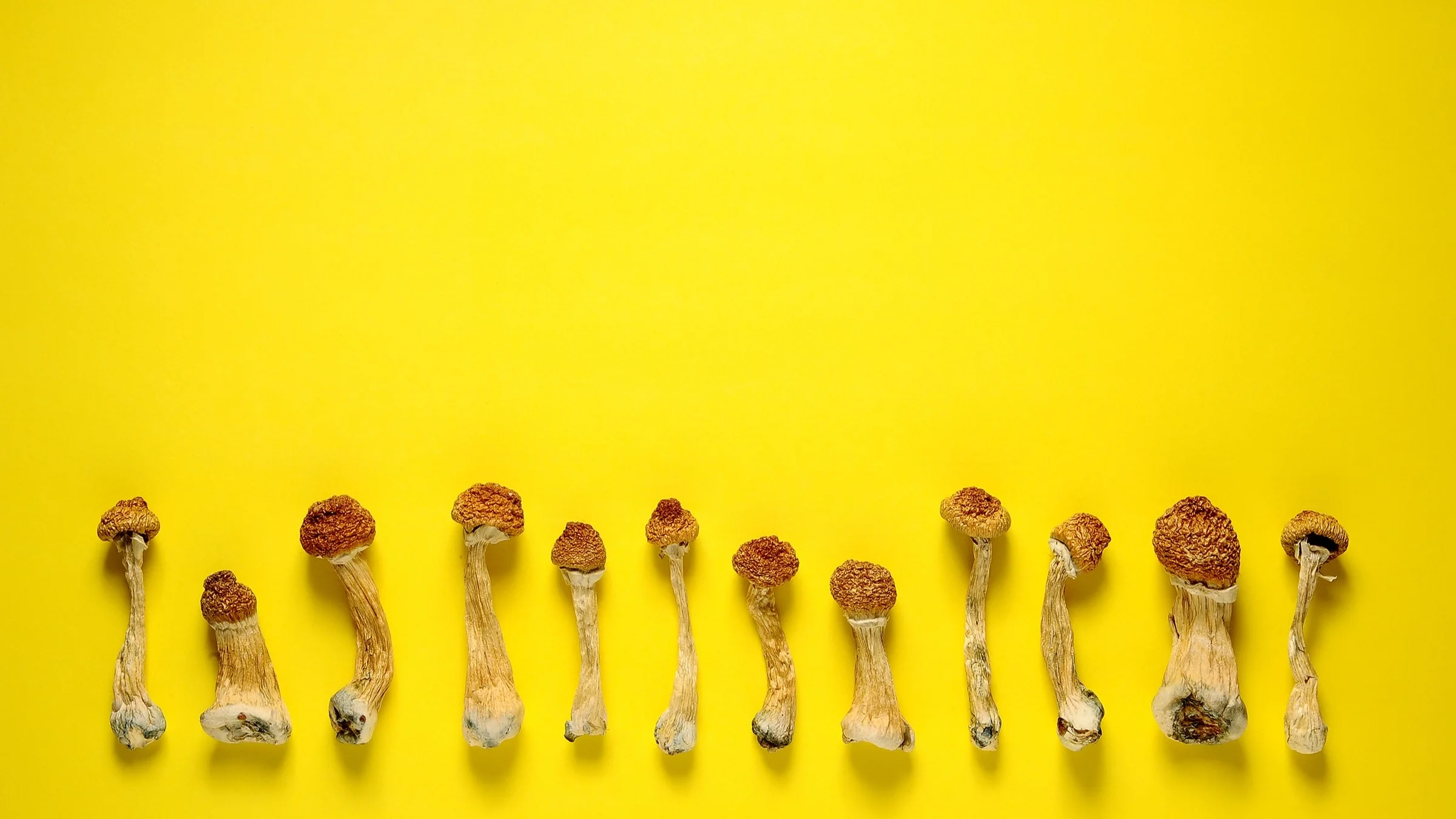
Psychedelic treatment is showing promise as a new, more effective way to treat depression. Psilocybin is a type of psychedelic drug that comes from magic mushrooms.
Recent research on psilocybin suggests it can provide a large improvement in depression symptoms. This effect is usually immediate, and can last for weeks to months.
Depression affects 21 million adults in the U.S. And for most people, it has a big impact on many aspects of their lives — like their personal relationships, work performance, and physical health. But experts estimate that over half of people taking antidepressant medications don’t see much improvement.
Psychedelic therapy is emerging as a promising approach to depression treatment. Psilocybin is one type of psychedelic substance that comes from hallucinogenic mushrooms (often referred to as“magic mushrooms”). Early research suggests that it could have long-lasting benefits for people with depression.
Can psilocybin help with depression?
The majority of studies on psilocybin have shown a positive effect for people with depression. And it may be particularly helpful for people with treatment-resistant depression. This is a term used to describe ongoing symptoms of depression despite medication treatment.
Researchers first started to look into psychedelics as a potential mental health treatment in the 50s and 60s. But these studies were stopped when the Controlled Substances Act was passed in 1970. Over the past decade, research is again picking up speed. And studies are showing promising results.
A landmark study in 2016 reignited the research field. Researchers looked at people with life-threatening cancer who had depression and anxiety. Participants were randomized to receive a placebo dose of psilocybin (1 mg) or a therapeutic dose (over 20 mg). Those who received a therapeutic dose had significant improvements in both depression and anxiety. And 80% of these people continued to feel better 6 months after treatment.
Since then, additional studies have produced similar results:
A study of adults with major depressive disorder (MDD) showed a large improvement in depression scores as soon as 1 day after treatment. This improvement was sustained at a 4-week follow-up.
A randomized study of people with treatment-resistant depression compared the effects of 1 mg, 10 mg, and 25 mg of psilocybin. The group that received 25 mg had significant improvement in their depression scores at 3 weeks after treatment.
Study participants with MDD were blinded and randomized to receive 25 mg of psilocybin or placebo. People who received psilocybin had significant improvement in their depression. They also had a lower disability score, which measured different ways depression was affecting their life. This effect was sustained at a 6-week follow-up.
The results from these studies are positive. But researchers are still learning if psilocybin is a better or more effective treatment than traditional antidepressants.
How does psilocybin help with depression?
Psilocybin likely helps with depression in several different ways. Researchers are still actively discovering the ways that it affects brain chemistry and helps with depression. We’ll discuss three of them here.
First, psilocybin affects serotonin receptors. Serotonin is a chemical made by your body that plays a big role in your mood. These serotonin changes likely play a role in the way that psilocybin leads to:
Pleasant hallucinations
Elevated mood and euphoria
A sense of awe
Mystical and spiritual experiences
Psilocybin’s effect on serotonin may also play a role in the way it leads to lasting effects. Psilocybin activates a specific serotonin receptor called the 2A receptor. This is a different receptor than the one activated by antidepressant medications. The 2A receptor is unique because it helps the brain build new connections. In other words, it helps people with depression develop new thought and behavior patterns.
Second, psilocybin changes levels of glutamate in your brain.Glutamate plays a role in how you feel about yourself. People often report that psilocybin helps them separate from a negative view of themselves. This could have a positive impact on someone’s self-esteem.
Third, more recent research has revealed new ways that psilocybin changes the way different parts of the brain communicate with each other. In one study, researchers used a special MRI to observe people’s brain activity after taking psilocybin. They found that it activated parts of the brain that can help with depression.
How long does psilocybin last for depression?
The mind-altering effects of psilocybin — like hallucinations and euphoria — only last for a few hours. Psilocybin’s psychedelic effects usually start around 20 to 40 minutes after ingestion. These effects typically wear off around 6 hours.
But even after the immediate effects wear off, people report an improvement in their depression for weeks to months after a single treatment. Multiple studies found positive results that were sustained at 6 months or beyond. One of the longest studies found lasting effects at 12 months after treatment.
What are the side effects of taking psilocybin?
Psilocybin has one of the best safety profiles among the different psychedelic drugs. But there are still some negative side effects to be aware of.
One of the main risks of psilocybin is an intense or unpleasant psychological experience. The following side effects are more likely with higher doses:
Unpleasant hallucinations
Agitation
Anxiety
Confusion
Disorientation
In rare cases, psychosis may also be a risk. This is why it’s not recommended for people who have a history of psychosis. This includes people with conditions like schizophrenia or bipolar disorder.
It’s also important to note that psilocybin can lead to unintended self-harm. Disorientation or confusion may cause someone to fall or hurt themselves. This is why treatment happens in a supervised medical setting.
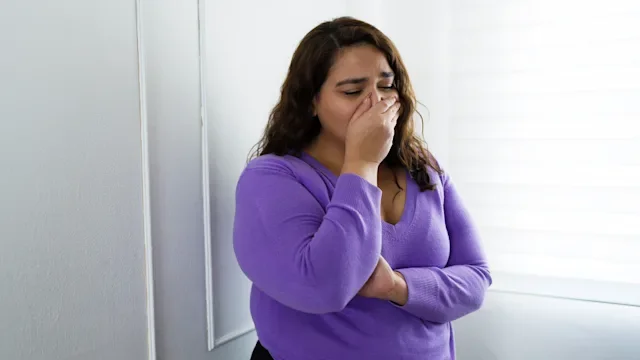
Psilocybin may also lead to some temporary physical side effects while the substance is in your system. In a review of many different research studies, the most common side effects were:
Nausea or vomiting
Dizziness
Headaches
Elevated heart rate
Elevated blood pressure
As of now, studies haven’t found any significant long-term side effects of psilocybin treatment. It doesn’t appear to have the risk of overdose or dependence that’s common in other mind-altering substances.
The bottom line
Psilocybin has the potential to be a promising new treatment for people with depression. This could be helpful when antidepressant medications are not working. The research so far suggests that psilocybin can provide long-lasting improvement in depression symptoms. But even though psilocybin therapy is gaining popularity, it’s still in the experimental phases. Given the potential side effects, psilocybin treatment requires medical supervision.

Why trust our experts?



References
Carhart-Harris, R. L., et al. (2016). Psilocybin with psychological support for treatment-resistant depression: An open-label feasibility study. The Lancet Psychiatry.
Davis, A. K., et al. (2020). Effects of psilocybin-assisted therapy on major depressive disorder: A randomized clinical trial. JAMA Psychiatry.
Goodwin, G. M., et al. (2022). Single-dose psilocybin for a treatment-resistant episode of major depression. The New England Journal of Medicine.
Griffiths, R. R., et al. (2016). Psilocybin produces substantial and sustained decreases in depression and anxiety in patients with life-threatening cancer: A randomized double-blind trial. Journal of Psychopharmacology.
Gukasyan, N., et al. (2022). Efficacy and safety of psilocybin-assisted treatment for major depressive disorder: Prospective 12-month follow-up. Journal of Psychopharmacology.
Hendricks, P. S., et al. (2016). Psilocybin, psychological distress, and suicidality. Journal of Psychopharmacology.
Hristova, J. J. D., et al. (2023). Psychotherapy with psilocybin for depression: Systematic review. Behavioral Sciences.
Johansen, P., et al. (2015). Psychedelics not linked to mental health problems or suicidal behavior: a population study. Journals of Psychopharmacology.
MacCallum, C. A., et al. (2022). Therapeutic use of psilocybin: Practical considerations for dosing and administration. Frontiers in Psychiatry.
Mason, N. L., et al. (2020). Me, myself, bye: Regional alterations in glutamate and the experience of ego dissolution with psilocybin. Neuropsychopharmacology.
McIntyre, R. S., et al. (2023). Treatment‐resistant depression: Definition, prevalence, detection, management, and investigational interventions. World Psychiatry.
National Institute of Mental Health. (2023). Major depression.
Nichols, D. E. (2016). Psychedelics. Pharmacological Reviews.
Raison, C. L., et al. (2023). Single-dose psilocybin treatment for major depressive disorder: A randomized clinical trial. JAMA.
Reiff, C. M. (2020). Psychedelics and psychedelic-assisted psychotherapy. American Journal of Psychiatry.
Siegel, J. S., et al. (2024). Psilocybin desynchronizes the human brain. Nature.
Smauz, R., et al. (2022). Neural mechanisms underlying psilocybin’s therapeutic potential – The need for preclinical in vivo electrophysiology. Journal of Psychopharmacology.