Key takeaways:
There are benefits to brushing, flossing, and rinsing in the proper order. But consistency with brushing and flossing is more important than the order of them.
To remove plaque that collects on your teeth, you need to brush and floss daily. Mouthwash can boost your oral healthcare routine. But it’s optional in most cases.
There are two types of mouthwash: cosmetic and therapeutic. Your dental provider can help you decide which one to try based on your dental health history.
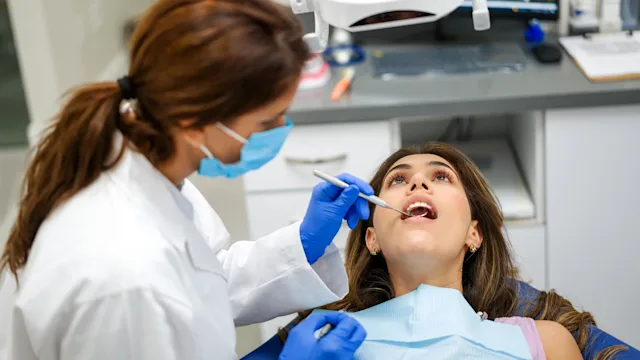
Good oral hygiene is very important in preventing cavities and gum disease. Many people have heard that brushing and flossing are key. But what about rinsing with a mouthwash? When do people use it? Is it even necessary? Knowing how and when to complete each step can help make sure you have a great oral healthcare routine.
What is the best process for brushing your teeth?
Many people brush before flossing. But that may not be the best way to begin your dental routine. Flossing helps loosen plaque and food that get stuck between the teeth.
Plaque is a soft and sticky film that forms on the teeth. And it’s filled with bacteria that can cause cavities or lead to gum disease.
Search and compare options
Research shows that flossing before brushing is better for mouth care. This reduces the amount of plaque between the teeth. If you don’t remove the plaque by flossing first, the fluoride in your toothpaste may not be able to coat your teeth. This is important because fluoride creates an enamel on your teeth that makes them more resistant to decay.
How long should you brush your teeth?
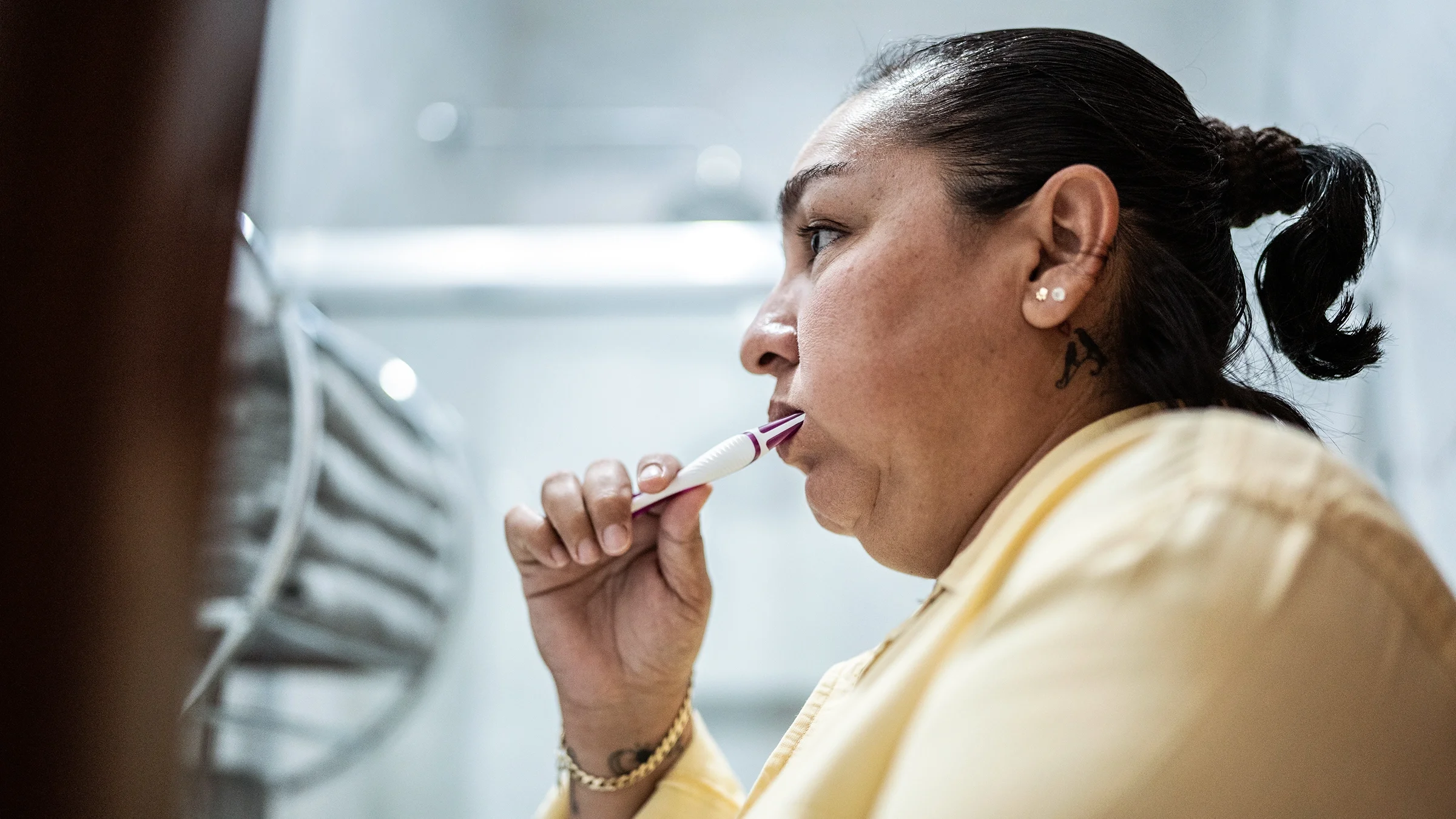
Aim to brush your teeth with fluoride toothpaste for 2 minutes at least twice a day. Brushing for 2 minutes removes a significant amount of plaque from your teeth.
Brushing your teeth properly is just as important as the amount of time you spend brushing. You can make sure you effectively remove plaque with your toothbrush by following these tips:
Brush using small circles. This keeps the entire tooth and gum margin free of plaque.
Focus on two to three teeth at a time. Brushing a small area makes sure plaque is not left behind.
Use gentle pressure. This prevents gum irritation from brushing too hard.
How long should you wait to rinse your mouth after brushing?
This has been debated because there tends to be a foamy film of toothpaste that remains in the mouth after brushing. Rinsing after brushing helps to get rid of this film and any food that has become dislodged.
Many have questioned whether rinsing right after brushing decreases the benefits of toothpaste with fluoride. But there appears to be no significant difference between those who rinse with water after brushing and those who do not.
You can wait to rinse at a later time or rinse right away. Either way, you’ll still see the cavity-preventing benefits of your toothpaste.
When should you use mouthwash?
You don’t need to use a daily mouth rinse, like mouthwash. But it may help. And different types have different benefits. Let’s go over the two types of mouth rinses.
Cosmetic mouth rinses
Cosmetic mouth rinses claim to whiten your teeth or temporarily control bad breath. But they contain no chemicals or ingredients to kill bacteria or treat diseased teeth or gums. So, they have limited use. These mouth rinses also don’t help to improve odor (bad breath) in the long term.
Therapeutic mouth rinses
Therapeutic mouth rinses have active ingredients that may help to improve oral health. They can reduce plaque, gingivitis, bad breath, or tooth decay. The benefits of therapeutic mouth rinses can boost your daily oral healthcare routine. Many of these mouth rinses are available over the counter. But some may need a prescription.
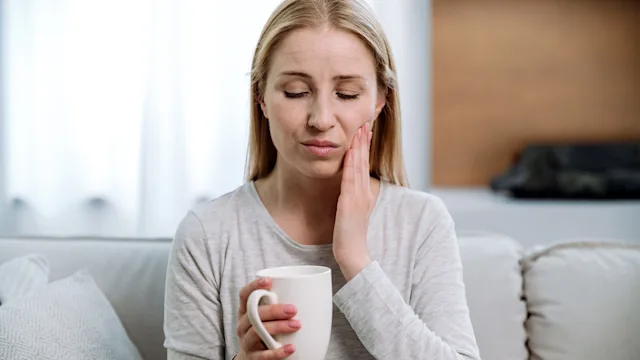
Your dental provider may recommend a therapeutic mouth rinse if you are at high risk of cavities or experience:
Dry mouth
Gum disease
Bad breath
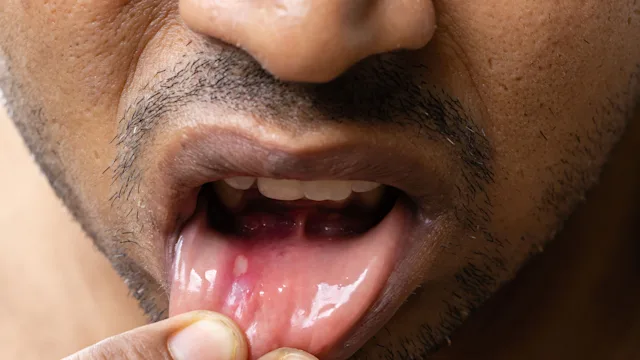
Mouth sores
There’s limited research on when to use mouthwash. When in doubt, follow the instructions from the manufacturer. Some manufacturers give specific steps on how to use their product.
The bottom line
A proper oral healthcare routine is the key to your dental health. This includes flossing before brushing your teeth. Mouthwash may be a helpful addition to boost your oral health. It won’t affect how well your toothpaste works. So you can rinse right after brushing if you’d like.
While using a daily mouthrinse may be optional, brushing and flossing are not. Talk to your dental provider about the best oral care routine for you.

Why trust our experts?



References
American Dental Association. (2021). Mouthrinse (mouthwash).
American Dental Association. (2022). Toothbrushes.
Machiulskiene, V., et al. (2002). Prospective study of the effect of post-brushing rinsing behaviour on dental caries. Caries Research.
Mazhari, F., et al. (2018). The effect of toothbrushing and flossing sequence on interdental plaque reduction and fluoride retention: A randomized controlled clinical trial. Journal of Periodontology.