Key takeaways:
COVID-19, respiratory syncytial virus (RSV), and the flu can all cause similar symptoms, like congestion and a runny nose.
COVID and the flu are more likely to cause fever, body aches, and headaches.
Your symptoms can help point toward a diagnosis. But it’s impossible to tell which virus you have based on symptoms alone.
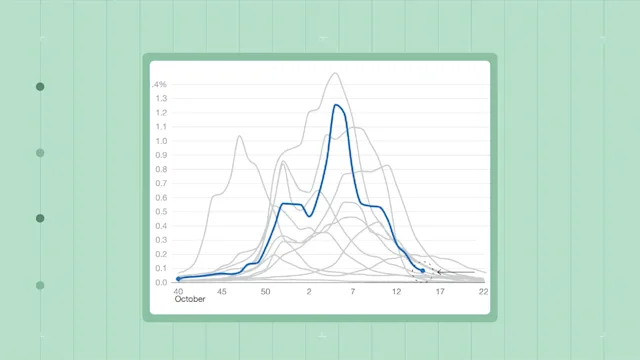
During the winter, people often come down with a stuffy nose and sore throat. Viruses cause hundreds of millions of upper respiratory tract infections — also known as “colds” — every year. These viruses are most active during the months that make up the cold and flu season.
A cold could mean that you actually have COVID-19, the flu, or respiratory syncytial virus (RSV). So, how can you tell which one you have? Let’s take a look at how your symptoms can give you an important clue.
How can you tell whether you have COVID, RSV, or the flu?
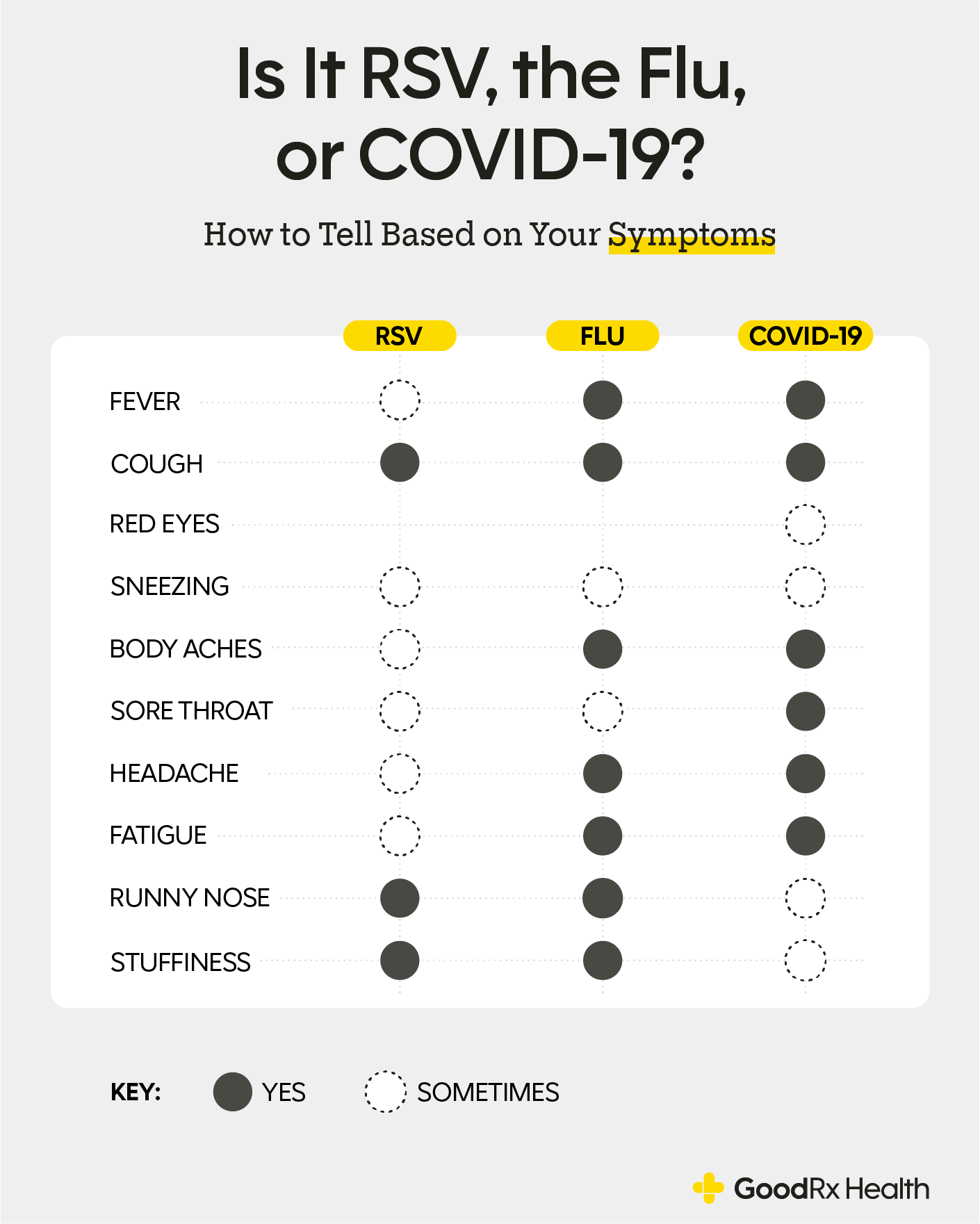
The only way to know for sure if you have COVID, RSV, or the flu is to get tested for each virus. All three viruses can cause similar symptoms. So, it’s impossible to tell which virus you have based only on what you’re feeling. But your symptoms can give you clues about whether you have COVID, RSV, or the flu.
Search and compare options
Here are some symptoms that can give you important clues on which virus might be making you sick.
Sudden start
Flu symptoms tend to start suddenly. Most people go from feeling fine to feeling sick within 24 hours. COVID and RSV symptoms, on the other hand, come on more gradually. You may notice cold-like symptoms starting over 2 or 3 days.
Fever
You’re more likely to develop a fever with the flu or COVID. RSV can cause a fever, but it’s more common in babies and toddlers. Older children and adults don’t typically develop a fever when sick with RSV.
Body aches and fatigue
COVID and the flu can make you feel achy, run down, and tired. They can also trigger headaches. RSV doesn’t tend to trigger as much inflammation, so you’re less likely to feel those bone-deep aches and exhaustion.
Sore throat
RSV and flu both cause a stuffy nose and congestion. This can lead to post-nasal drip, which can irritate your throat. But these viruses don’t typically cause the throat inflammation that leads to a severe sore throat. COVID, on the other hand, is well known for causing a severe sore throat, which can feel similar to infections, like strep throat.
Illness rates
Though not a symptom, illness rates in your community can offer important clues about the virus you may have. If you’re sick and there’s a lot of flu in your area, but not a lot of COVID or RSV, you’re much more likely to be sick from the flu. Talk to a healthcare professional to learn more about what’s going around in your community.

What can I expect while taking Paxlovid? Three people share their experiences with taking Paxlovid for COVID-19.
Where can I get a flu or COVID test ASAP? Here are your options for getting tested as quickly as possible for COVID, flu, and more.
Is your sore throat caused by a virus or bacteria? Read about the key differences between a viral and bacterial sore throat.
How are the flu, COVID, and RSV different from a regular cold?
A cold is a common term for a viral upper respiratory tract infection. An upper respiratory tract infection develops when a virus attacks and invades your nose, sinuses, voice box (larynx), or throat. Sometimes the virus invades only one of these areas. Other times, it invades multiple areas. That’s why people develop symptoms like runny nose, congestion, and sore throat when they have the common cold.
Many viruses cause upper respiratory tract infections, including COVID, RSV, and the flu. Common cold viruses also cause upper respiratory tract infections. Common cold viruses include 200 different viruses, including rhinovirus.
The special thing about COVID, RSV, and the flu is that they can invade other parts of your body, especially your lungs and airways. These make up your lower respiratory tract. So, this group of viruses can cause more serious illness. Common cold viruses are less likely to invade other parts of your body, so people rarely develop complications, like pneumonia.
What is COVID?
COVID is a newer type of coronavirus. Before 2019, coronaviruses were just known as common cold viruses — and not particularly aggressive. But, since then, COVID has become known as one of the deadliest viruses in human history. Though it’s no longer considered a pandemic emergency, it’s still possible to get sick from COVID.
The most common COVID symptoms include:
Cough
Fever
Body aches
Runny nose and congestion
Symptoms can start gradually and get worse around day 2 or 3.
It’s always a good idea to get a COVID test if you have cold symptoms. COVID testing helps you figure out if you need to isolate. It also helps you decide if you need to take extra precautions to protect loved ones who are at higher risk of developing more serious COVID-related illness.
Another good reason to get tested is to find out if you should start antiviral treatment, like Paxlovid. For best results, you need to start antiviral medication within 5 to 7 days of when you first start feeling sick.
There are many COVID tests available, including at-home test kits that you can buy online or from your local pharmacy. You don’t need a prescription to buy one. You can also get a COVID test by visiting a doctor’s office or urgent care clinic, or by using a mail-in lab service.
The most common COVID symptoms include:
Cough
Fever
Body aches
Runny nose and congestion
Symptoms can start gradually and get worse around day 2 or 3.
It’s always a good idea to get a COVID test if you have cold symptoms. COVID testing helps you figure out if you need to isolate. It also helps you decide if you need to take extra precautions to protect loved ones who are at higher risk of developing more serious COVID-related illness.
Another good reason to get tested is to find out if you should start antiviral treatment, like Paxlovid. For best results, you need to start antiviral medication within 5 to 7 days of when you first start feeling sick.
There are many COVID tests available, including at-home test kits that you can buy online or from your local pharmacy. You don’t need a prescription to buy one. You can also get a COVID test by visiting a doctor’s office or urgent care clinic, or by using a mail-in lab service.
What is RSV?
Respiratory syncytial virus (RSV) is known for causing bronchiolitis — a serious lower respiratory tract infection — in babies and young children. Adults can get RSV, too, but most adults only develop colds. Older adults or those with chronic medical conditions may develop more serious illness.
The most common RSV symptoms are:
Runny nose
Stuffy nose and congestion
Cough
Unlike the flu, RSV symptoms don’t come on suddenly. Symptoms are usually at their worst on days 3 to 5, and then people start to gradually feel better.
No, respiratory syncytial virus (RSV) isn’t a corona virus. It belongs to a family of viruses called Pneumoviridae. This family also includes human Metapneumovirus (HMPV). HMPV is a common cold virus, but it can also infect the airways of young children. Like RSV, it can cause bronchiolitis.
You probably don’t need a test for RSV, even if you have RSV-like symptoms. That’s because there’s no treatment for RSV.
If you live with someone at higher risk for serious RSV illness — like an infant — knowing whether you have RSV may affect the precautions you decide to take at home. You might decide to wear a mask or stay away from young children until you get better. But you can easily take these steps, even without an RSV test, if you’re sick.
Unlike COVID tests, there are no rapid RSV tests that offer results within a few minutes. Some tests can come back within a few hours. But these are only available from a doctor’s office, urgent care center, or emergency room. These results are very reliable.
There’s also one at-home test by LabCorp that can test for COVID, RSV, and the flu with just one nasal swab. Though you can collect the sample at home, you’ll still have to drop it off at a local lab (or send it through the mail), and results take 1 to 2 days to come back.
The most common RSV symptoms are:
Runny nose
Stuffy nose and congestion
Cough
Unlike the flu, RSV symptoms don’t come on suddenly. Symptoms are usually at their worst on days 3 to 5, and then people start to gradually feel better.
No, respiratory syncytial virus (RSV) isn’t a corona virus. It belongs to a family of viruses called Pneumoviridae. This family also includes human Metapneumovirus (HMPV). HMPV is a common cold virus, but it can also infect the airways of young children. Like RSV, it can cause bronchiolitis.
You probably don’t need a test for RSV, even if you have RSV-like symptoms. That’s because there’s no treatment for RSV.
If you live with someone at higher risk for serious RSV illness — like an infant — knowing whether you have RSV may affect the precautions you decide to take at home. You might decide to wear a mask or stay away from young children until you get better. But you can easily take these steps, even without an RSV test, if you’re sick.
Unlike COVID tests, there are no rapid RSV tests that offer results within a few minutes. Some tests can come back within a few hours. But these are only available from a doctor’s office, urgent care center, or emergency room. These results are very reliable.
There’s also one at-home test by LabCorp that can test for COVID, RSV, and the flu with just one nasal swab. Though you can collect the sample at home, you’ll still have to drop it off at a local lab (or send it through the mail), and results take 1 to 2 days to come back.
What is the flu?
The flu is an illness caused by influenza viruses. Influenza viruses come and go in a predictable pattern throughout the year.
Unlike COVID and RSV, flu symptoms tend to start suddenly. People experience:
Fever
Body aches
Fatigue
Headache
Cough
Congestion
Sore throat
The symptoms tend to stay the same for 1 to 5 days before slowly fading over the next 3 to 5 days.
You might need a flu test if you have flu symptoms. Antiviral treatments for the flu — like Tamiflu (oseltamivir) — may help you feel better faster. But Tamiflu can also cause side effects, so some people opt to skip treatment.
Tamiflu and other flu antivirals work best if you start taking them within 1 to 2 days of getting sick. So, you don’t have a lot of time to decide whether to get a flu test. If you want to take antivirals, get a flu test as soon as possible. If you’re at higher risk of serious flu illness, get a flu test as soon as you develop symptoms.
Whether or not you test, remember that the flu is contagious. Stay home from work or school until your fever goes away and you start to feel better.
There are rapid flu tests that can tell you within minutes whether you have the flu. Like COVID tests, these are antigen tests. That means you sometimes sacrifice accuracy for speed. Just like COVID tests, flu tests are available over-the-counter (OTC).
There are also polymerase chain reaction (PCR) tests, which take longer to come back. But they’re more accurate. PCR tests are available at doctor’s offices, urgent care centers, and emergency rooms.
There are also at-home PCR flu tests where you collect your own nasal swab and drop it off at a lab. These come as flu-only tests, flu-COVID combo tests, and flu-COVID-RSV tests. Though this option saves you a trip to a doctor’s office, you’ll still have to go to a lab and wait 1 to 2 days to get your results.
Unlike COVID and RSV, flu symptoms tend to start suddenly. People experience:
Fever
Body aches
Fatigue
Headache
Cough
Congestion
Sore throat
The symptoms tend to stay the same for 1 to 5 days before slowly fading over the next 3 to 5 days.
You might need a flu test if you have flu symptoms. Antiviral treatments for the flu — like Tamiflu (oseltamivir) — may help you feel better faster. But Tamiflu can also cause side effects, so some people opt to skip treatment.
Tamiflu and other flu antivirals work best if you start taking them within 1 to 2 days of getting sick. So, you don’t have a lot of time to decide whether to get a flu test. If you want to take antivirals, get a flu test as soon as possible. If you’re at higher risk of serious flu illness, get a flu test as soon as you develop symptoms.
Whether or not you test, remember that the flu is contagious. Stay home from work or school until your fever goes away and you start to feel better.
There are rapid flu tests that can tell you within minutes whether you have the flu. Like COVID tests, these are antigen tests. That means you sometimes sacrifice accuracy for speed. Just like COVID tests, flu tests are available over-the-counter (OTC).
There are also polymerase chain reaction (PCR) tests, which take longer to come back. But they’re more accurate. PCR tests are available at doctor’s offices, urgent care centers, and emergency rooms.
There are also at-home PCR flu tests where you collect your own nasal swab and drop it off at a lab. These come as flu-only tests, flu-COVID combo tests, and flu-COVID-RSV tests. Though this option saves you a trip to a doctor’s office, you’ll still have to go to a lab and wait 1 to 2 days to get your results.
Are treatments for RSV, COVID, and the flu the same?
It depends. If you have RSV, COVID, or the flu, you can use the same home remedies and OTC treatments for self-care. But prescription treatments are different for each virus. And prescription treatments can prevent serious illness and may help some people feel better faster.
Home remedies to relieve symptoms of COVID, the flu, and RSV include:
OTC pain and fever relievers to relieve aches, pains, and fever
Fluids, electrolyte drinks, and broth to stay hydrated
Plenty of rest to let your body recover
Honey, tea, or lozenges to relieve a sore throat
Humidifiers and nasal saline to relieve congestion
Prescription treatments for COVID and flu include:
Not everyone needs or qualifies for prescription treatments. It’s important to talk with your primary care provider as soon as you start feeling sick. Many of these treatments work best if they’re started early. A healthcare professional can help you decide whether you should start treatment.
Frequently asked questions
Yes, flu and COVID viruses can cause respiratory infections. They may cause upper respiratory tract infections, like rhinitis and pharyngitis. They can also cause lower respiratory tract infections, like bronchitis and pneumonia.
The best time to get a flu vaccine is right before the start of flu season. You can get your COVID and RSV vaccines at the same time as your flu shot. If you’ve recently had COVID, you may want to wait up to 3 months before getting an updated COVID vaccine.
RSV doesn’t typically cause joint pain. It’s possible to develop joint pain during a COVID or flu illness, but these aren’t common symptoms. Joint pain is a symptom of long-COVID, a condition that some people develop after a COVID illness.
Yes, flu and COVID viruses can cause respiratory infections. They may cause upper respiratory tract infections, like rhinitis and pharyngitis. They can also cause lower respiratory tract infections, like bronchitis and pneumonia.
The best time to get a flu vaccine is right before the start of flu season. You can get your COVID and RSV vaccines at the same time as your flu shot. If you’ve recently had COVID, you may want to wait up to 3 months before getting an updated COVID vaccine.
RSV doesn’t typically cause joint pain. It’s possible to develop joint pain during a COVID or flu illness, but these aren’t common symptoms. Joint pain is a symptom of long-COVID, a condition that some people develop after a COVID illness.
The bottom line
COVID, the flu, and respiratory syncytial virus (RSV) are viruses that cause upper respiratory tract infections — better known as the common cold. But these viruses can also cause more serious illnesses, like pneumonia. It’s impossible to know which virus is making you sick without a COVID, flu, or RSV test. That’s because all three cause similar symptoms.
There are antiviral medications for COVID and the flu. If you’re at high risk for serious illness from these viruses or want to start antiviral medication, it’s a good idea to get tested as soon as possible. These medications work best when you start them soon after you get sick.

Why trust our experts?




References
Centers for Disease Control and Prevention. (2023). Influenza antiviral medications: Summary for clinicians.
Centers for Disease Control and Prevention. (2024). Signs and symptoms of flu.
Centers for Disease Control and Prevention. (2025). Getting your COVID-19 vaccine.
Centers for Disease Control and Prevention. (2025). Preventing respiratory illnesses.
Centers for Disease Control and Prevention. (2025). Types of COVID-19 treatment.
Ciaffi, J., et al. (2023). Post-acute COVID-19 joint pain and new onset of rheumatic musculoskeletal diseases: A systematic review. Diagnostics.
Feehan, J., et al. (2021). Is COVID-19 the worst pandemic? Maturitas.
MedlinePlus. (2023). Stuffy or runny nose – Adult.
World Health Organization. (n.d.). Coronavirus disease (COVID-19) pandemic.