Key takeaways:
Regular physical activity promotes digestion, which helps relieve and even avoid constipation.
Any exercise can help. However, the most effective ones are walking, yoga, core exercises, cycling, and swimming.
If exercise isn’t enough, there are some easy medications and diet changes that can help. And when this still isn’t enough, you may need to see a healthcare professional.
People often look to diet and medications to help relieve constipation. But exercise also plays a key — and often overlooked — role in digestion. In fact, maintaining a regular workout routine is one of the best ways to treat constipation.
Here’s why exercise is so effective and which types work best.
How does exercise help with constipation?
Exercise gets your body moving — and that includes your bowels. Physical activity has been shown to promote gastrointestinal (GI) motility. This refers to the muscle contractions that move waste along your GI tract. By boosting motility, exercise helps reduce the time it takes for food to pass through your large intestine.
Search and compare options
Exercise may also help with constipation because of its effect on the gut microbiome. This is the community of microorganisms that live in your GI tract, which play a key role in digestion. Research shows that people who are more physically active tend to have a greater variety of gut bacteria, which is a sign of a healthy microbiome.
Beyond gut motility and the microbiome, exercise likely helps constipation in more subtle ways that are harder to measure. This is where the brain-gut connection comes into play. Exercise’s positive effect on mood and mental health can translate to better gut health. For example, exercising helps to reduce stress and anxiety, which are known to slow gut motility.
What are the best exercises for constipation?
Doing any type of exercise is great for keeping bowel movements regular. But some exercises might be more effective than others.
1. Walking
Walking is a moderate-intensity, low-impact aerobic workout that’s been shown to get things moving. When you walk, your body sways slightly side to side and up and down. These gentle rocking motions may help trigger muscle contractions in the colon. In one study, participants took a 20-minute walk and their gut motility increased within 1 to 2 minutes after exercising.
Experts recommend getting at least 150 minutes of moderate-intensity aerobic activity weekly. Walking is an effective means of reaching this goal. Aim for 30 minutes a day, 5 days a week.
2. Yoga
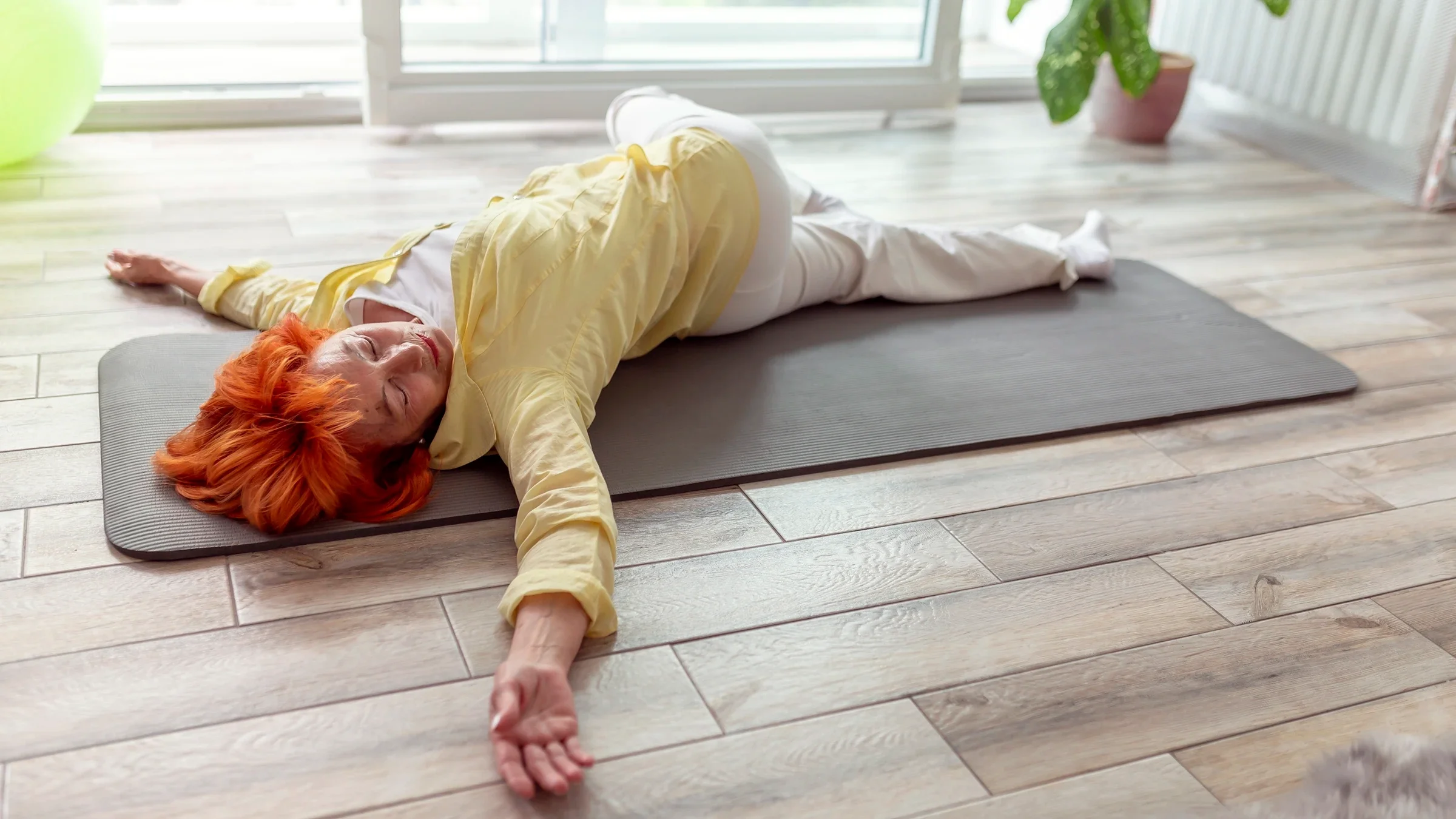
Mind-body workouts, like yoga, help calm the body’s stress responses. When your nervous system senses stress, it releases a hormone called cortisol, which slows digestion. Through mindful breathing and relaxation, yoga can help turn digestion on again.
A study in older adults found that performing 3 weekly yoga sessions for 3 months significantly improved constipation.
To get started with yoga, opt for a beginner-friendly style, like hatha or kripalu. Chair yoga can be a good option for older adults and people with limited mobility.
3. Core exercises
Your core includes all the muscles in the middle of your body that support your trunk, spine, and pelvis. So, it’s no surprise that it can help support your intestines, too. Strengthening the core muscles increases pressure inside the abdomen. This pressure may stimulate the GI tract, helping move things along.
In one study, researchers looked at people with constipation who participated in a 4-week exercise program. They found that those who did both aerobic and core exercises saw significant improvements in symptoms compared to those who only did aerobic exercise.
Be sure to include core exercises in your regular workout program. Moves like the forearm plank, hollow body hold, and superman are great options for beginners. Plus, they hit all the major core muscles.
4. Cycling
Cycling is a moderate-intensity aerobic workout similar to walking. But cycling has the advantage of being low-impact. So, it’s less stressful for the GI system than high-impact activities, like running.
Getting started with cycling is as easy as taking a ride along a local path. If you don’t have a bike — or if you prefer to ride indoors — a spin class is another great option.
5. Swimming
Swimming is another low-impact exercise that ranks among the best options for constipation. It’s a great alternative (or addition) to cycling or walking, especially if you struggle with balance or joint pain. It targets every major muscle group.
You could consider swimming laps at the pool at your local health club or community center. Start with swimming for 5 to 10 minutes at a time, a few times per week, and gradually increase as it feels easier.
Is there a best time to exercise for constipation?
Consistency matters more than the timing of exercise. Regular physical activity keeps the digestive process chugging along at a normal pace. Research also shows that the more you exercise, the more it helps for constipation. So, aim to exercise most days of the week.
When exercise for constipation isn't working
Consistent physical activity is key for staying regular. But if exercise isn’t enough, there are other ways to relieve constipation.
Medications for constipation
Over-the-counter (OTC) medications can get things moving in a matter of hours or days. For the quickest relief, consider using suppositories and enemas. Oral options — like mineral oil, stimulant laxatives, and osmotic laxatives — also work fast.
Other laxatives, including fiber supplements and stool softeners, usually take from 12 hours up to 3 days to take effect.
Home remedies for constipation
The best home remedies for constipation are simple: Maintain good hydration and eat fiber-rich foods.
When it comes to hydration, drinking water is always a good place to start. But other drinks that can help with constipation include:
Coffee
Tea and other warm drinks
Prune juice, apple juice, and pear juice
Probiotic drinks
And good hydration should be paired with a high fiber diet. Aim to eat 22 g to 34 g of fiber daily. You can reach this total by eating:
Legumes
Nuts and seeds
When you should see a doctor
If medications and home remedies haven't helped your constipation, talk to a healthcare professional. Your constipation may be a symptom of a medical condition that prevents the bowels from working normally — and some of these conditions can be serious.
You should seek emergency medical care if you have:
Severe abdominal or rectal pain
Vomiting
A large amount of blood in your stool
Signs of an infection (like fever)
Chest pain or high heart rate
Shortness of breath
Other signs that it’s time to see your doctor include:
Any amount of blood mixed in your stool
Fatigue or weakness
Unintentional weight loss
Feeling full easily
Thinning hair or brittle nails
The bottom line
Constipation is uncomfortable — and exercise may be the last thing you want to do when you feel backed up. But it’s one of the best ways to get your gut moving. Exercise keeps your digestive system active, which can help you stay regular. Any exercise is better than none, but walking, yoga, core exercises, cycling, and swimming may be the most effective options. If exercise isn’t enough, consider taking over-the-counter (OTC) or prescription medications and making dietary changes. And when all else fails, talk to a healthcare professional.

Why trust our experts?



References
ACE Fitness. (n.d.). 10-minute core workout.
ACE Fitness. (n.d.). Back exercises: Supermans.
Al-Biltagi, M., et al. (2025). Exploring the gut-exercise link: A systematic review of gastrointestinal disorders in physical activity. World Journal of Gastroenterology.
Centers for Disease Control and Prevention. (2023). Physical activity for adults: An overview.
Centers for Disease Control and Prevention. (2024). Fiber: The carb that helps you manage diabetes.
Cui, J., et al. (2022). Physical activity and constipation: A systematic review of cohort studies. Journal of Global Health.
Gandhi, R., et al. (2023). Effect of aerobic exercise along with core muscle strengthening in young individuals with constipation: Randomized controlled trial. International Journal of Research in Medical Sciences.
Katagiri, K., et al. (2025). Immediate effect of physical activity on gut motility in healthy adults. Scientific Reports.
Serie, K., et al. (2024). Building a strong core. South Dakota State University Extension.
Shree Ganesh, H.R., et al. (2021). Role of yoga therapy in improving digestive health and quality of sleep in an elderly population: A randomized controlled trial. Journal of Bodywork and Movement Therapies Home.
Song, B. K., et al. (2021). Effects of core strengthening exercise on colon transit time in young adult women. Journal of Exercise Science & Fitness.