Key takeaways:
Antibiotics treat bacterial infections such as strep throat, urinary tract infections (UTIs), and more. They begin working shortly after your first dose, but it can take 1 to 3 days to start feeling better.
Every antibiotic has a slightly different onset time. Penicillin antibiotics, such as amoxicillin (Amoxil), take about 1 to 2 hours to start working. Doxycycline (Oracea, Doryx, Vibramycin) is a tetracycline antibiotic that takes about 3 hours to begin working.
Make sure to finish your entire antibiotic prescription — even if you start feeling better. For most bacterial infections, you’ll be told to take an antibiotic for 7 to 14 days. This time frame can vary, though, so make sure to follow your prescriber’s directions.
Testing positive for strep throat or having symptoms of a urinary tract infection (UTI) can feel overwhelming. Thankfully, antibiotics can help fight off these and other bacterial infections. They can also prevent complications of an infection down the road.
As you pick up your antibiotic from the pharmacy, certain questions may be top of mind, like: How long does it take for antibiotics to work? And when will I start feeling better? We’ll answer these questions and more so you can focus on your recovery.
How long does it take for antibiotics to work?
How long an antibiotic takes to work — or its “onset time” — depends on a few factors. The most relevant ones are the antibiotic you’re taking and the infection being treated.
Antibiotics get to work shortly after you take your first dose. But it can take 24 to 72 hours (1 to 3 days) to start feeling better. Below, we’ll break down expected onset times by antibiotic class. We’ll focus on oral antibiotics that are commonly dispensed at retail pharmacies.
Penicillin antibiotics
If you’ve ever experienced strep throat or otitis media (middle ear infection), you may have received a prescription for a penicillin antibiotic. They’re first-choice medications for these infections.
Some of the most commonly prescribed penicillin antibiotics include:
Penicillin (Penicillin VK)
Amoxicillin (Amoxil)
Augmentin (amoxicillin / clavulanate)
They start treating infections quickly. Penicillin starts working about 1 hour after you begin the medication. Amoxicillin starts working about 1 to 2 hours after you take your first dose. But it can take 48 hours (2 days) to 3 days to start feeling the effects of amoxicillin or penicillin. Augmentin starts fighting off bacteria about 1 to 1.5 hours after your first dose.
Good to know: You’re no longer considered contagious with strep throat about 24 hours after you start taking an antibiotic. But it’s important to finish your full antibiotic course to prevent possible complications, such as rheumatic fever (heart inflammation).
Tetracycline antibiotics
Doxycycline (Oracea, Doryx, Vibramycin) and minocycline (Minocin) are popular tetracycline antibiotics. They treat acne, skin infections, sexually transmitted infections (STIs), and more.
Doxycycline starts working about 3 hours after you start it. But it can take 24 to 48 hours for any symptoms of an infection to improve. Minocycline starts working about 1 to 3 hours after your first dose.
Compared to other uses, it may take a bit longer for tetracycline antibiotics to work in clearing up acne. For instance, it takes at least 14 days (2 weeks) after starting doxycycline to notice improvements in acne symptoms.
Macrolide antibiotics
Respiratory infections are commonly treated with macrolide antibiotics. Azithromycin (Zithromax) and erythromycin (Ery-Tab, E.E.S.) are two common choices.
Azithromycin starts working about 2 to 3 hours after your first dose. Erythromycin takes about 1 hour to begin working. It typically takes a few days before you start feeling better after starting a macrolide antibiotic.
Sulfa antibiotics
Bactrim (sulfamethoxazole / trimethoprim) is the most common sulfa antibiotic. Your prescriber may recommend taking Bactrim if you have a UTI.
Bactrim starts working within 1 to 4 hours after you take your first dose. Your UTI symptoms should start improving within a few days.
Bactrim can also treat other infections aside from UTIs. Its onset time for other infections is relatively similar.
Fluoroquinolone antibiotics
Fluoroquinolone antibiotics are typically reserved for severe infections, like certain types of pneumonia. That’s because they can potentially cause serious side effects and contribute to antibiotic resistance.
Ciprofloxacin (Cipro) and levofloxacin are two of the main fluoroquinolones. Ciprofloxacin starts working about 1 hour after the first dose. Levofloxacin is similar and begins fighting an infection in about 1 to 2 hours. Like other antibiotics, you should see improvements within a few days.
How long does it take to see full effects from antibiotics?
It typically takes 1 to 3 days to begin feeling better after starting an antibiotic. Symptom improvement is a sign that your antibiotic has set in and is working as it should. But you may not see the full benefits until you’ve completed your entire antibiotic prescription. You may also have to wait for your body’s natural inflammatory response to calm. Until this happens, you may continue to feel under the weather.
Even if you start feeling better after a couple days, make sure to finish your antibiotic course. Otherwise, some bacteria may linger in your body and contribute to antibiotic resistance. This means the antibiotic may not work now or in the future to treat your infection.
Good to know: If you’re not feeling better, you develop a fever, or your symptoms worsen after a few days taking your antibiotic, reach out to your prescriber. You may need a different antibiotic. Another possibility is you have a virus, which means an antibiotic won’t help.
Are there factors that can affect how long antibiotics take to work?
Your antibiotic and the type of infection you have are some of the top factors that impact how long your treatment takes to work. Drug interactions can also play a role.
For instance, calcium supplements can bind to certain antibiotics — such as tetracyclines and fluoroquinolones. This can affect how much of your antibiotic is absorbed, potentially making it less effective. Separating calcium from tetracycline and fluoroquinolone antibiotics by about 2 hours helps prevent this interaction from happening.
Food can also occasionally affect how antibiotics are absorbed. Food can either delay their absorption or make them more effective, depending on the medication. Ask your pharmacist if you should take your antibiotic with or without food.
It’s a good idea to keep a current list of your medications and supplements handy. Your pharmacist and prescriber can screen for any interactions before you start an antibiotic.
What to expect when starting an antibiotic
Like all medications, antibiotics can cause side effects to be aware of. Common antibiotic side effects include:
Nausea
Vomiting
Diarrhea
Headache
Dizziness
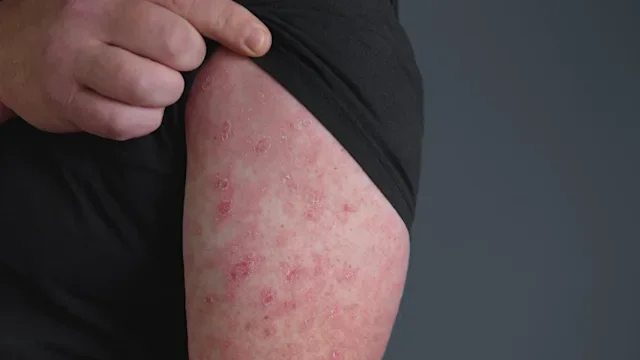
Rash
Certain antibiotics, such as Augmentin, are known for causing stomach-related side effects. Taking your antibiotic with food may help ease an upset stomach. These symptoms should go away after you finish your antibiotic.
Diarrhea can happen within a few hours after your first antibiotic dose. But in some cases, you can develop diarrhea up to 2 months after you finish the prescription. This is a sign of a Clostridioides difficile (C. diff) infection related to antibiotic use, and it can be severe in rare cases. Seek medical attention right away if you experience serious symptoms such as severe diarrhea, stomach pain, and fever.
Also, watch for any signs of an allergic reaction when you start an antibiotic. Hives are one of the telltale signs. Make sure to inform your prescriber if you develop them. They may want to stop your current antibiotic and prescribe an alternative one.
Anaphylaxis symptoms are a risk that can be life-threatening. These include trouble breathing or swelling of the face, throat, or tongue. In this situation, it’s important to seek emergency care immediately.
How long do you need to take antibiotics?
For most bacterial infections, you take antibiotics for 7 to 14 days. But the time frame may vary.
For instance, you may be told to take Bactrim for 3 days to treat a UTI. Or you may receive a 5-day prescription for a UTI antibiotic called Macrobid (nitrofurantoin).
On the other hand, you may need to take an antibiotic for longer than 14 days. For example, if you develop complications related to Lyme disease from a tick bite, you might need to take an antibiotic like doxycycline or amoxicillin for up to 28 days (4 weeks).
Frequently asked questions
There isn’t a way to make your antibiotic work faster. But following the directions for taking your antibiotic can help make sure the medication works properly. Be sure to pay attention if the antibiotic has requirements for:
Specific storage (room temperature versus refrigerated)
Dosing instructions (taking with food or on an empty stomach)
This will help you to get the full effectiveness of your medication.
You don’t typically have to follow a specific diet while taking antibiotics. If you’re having nausea and stomach upset as a side effect of your antibiotic, it may be helpful to limit your intake of spicy and acidic foods, as well as caffeine.
There isn’t a single antibiotic that’s considered the strongest. The best antibiotic for your infection depends on many factors like:
The type of bacteria
Where the infection is located
Your medical history
That being said, there are certain types of powerful antibiotics that are generally reserved for treating very serious or drug-resistant infections. These include:
Combination medications, like ceftazidime / avibactam (Avycaz) and ceftolozane / tazobactam (Zerbaxa)
There isn’t a way to make your antibiotic work faster. But following the directions for taking your antibiotic can help make sure the medication works properly. Be sure to pay attention if the antibiotic has requirements for:
Specific storage (room temperature versus refrigerated)
Dosing instructions (taking with food or on an empty stomach)
This will help you to get the full effectiveness of your medication.
You don’t typically have to follow a specific diet while taking antibiotics. If you’re having nausea and stomach upset as a side effect of your antibiotic, it may be helpful to limit your intake of spicy and acidic foods, as well as caffeine.
There isn’t a single antibiotic that’s considered the strongest. The best antibiotic for your infection depends on many factors like:
The type of bacteria
Where the infection is located
Your medical history
That being said, there are certain types of powerful antibiotics that are generally reserved for treating very serious or drug-resistant infections. These include:
Combination medications, like ceftazidime / avibactam (Avycaz) and ceftolozane / tazobactam (Zerbaxa)
The bottom line
It typically takes 1 to 3 days to start feeling better once you begin an antibiotic. But how long an antibiotic actually takes to work depends on a few factors. Which antibiotic you’re taking and the infection being treated are two of the top factors. Penicillin antibiotics, such as amoxicillin (Amoxil), start working about 1 to 2 hours after your first dose. Azithromycin (Zithromax) is a macrolide antibiotic that starts working about 2 to 3 hours after taking it.

Why trust our experts?



References
BALANCE Investigators. (2024). Antibiotic treatment for 7 versus 14 days in patients with bloodstream infections. The New England Journal of Medicine.
Centers for Disease Control and Prevention. (2025). Clinical guidance for group A streptococcal pharyngitis.
Centers for Disease Control and Prevention. (2025). Healthy habits: Antibiotic do’s and don’ts.
DailyMed. (2024). BACTRIM DS- sulfamethoxazole and trimethoprim tablet. BACTRIM- sulfamethoxazole and trimethoprim tablet.
DailyMed. (2025). MINOCYCLINE HYDROCHLORIDE tablet, film coated.
HealthyChildren.org. (2022). Antibiotics for children: 10 common questions answered. American Academy of Pediatrics.
Heritage Pharmaceuticals Inc. (2025). Doxycycline - doxycycline tablet [package insert].
Method Pharmaceuticals, LLC. (2025). Ciprofloxacin - ciprofloxacin tablet, coated [package insert].
Metlay, J. P., et al. (2019). Diagnosis and treatment of adults with community-acquired pneumonia. An official clinical practice guideline of the American Thoracic Society and Infectious Diseases Society of America. American Journal of Respiratory and Clinical Care Medicine.
Mohsen, S., et al. (2020). Update on the adverse effects of antimicrobial therapies in community practice. Canadian Family Physician.
National Center for Biotechnology Information (2026). PubChem compound summary for cid 12560, erythromycin.
PD-Rx Pharmaceuticals, Inc. (2024). Amoxicillin and clavulanate potassium - amoxicillin and clavulanate potassium tablet, film coated [package insert].
PD-Rx Pharmaceuticals, Inc. (2024). Levofloxacin- levofloxacin tablet, film coated [package insert].
Remedy Repack Inc. (2025). Amoxicillin - amoxicillin capsule [package insert].
Reynolds, R. V., et al. (2024). Guidelines of care for the management of acne vulgaris. Journal of the American Academy of Dermatology.
Selvaraj, V., et al. (2022). Antibiotic-associated diarrhea beyond C. difficile: A scoping review. Brown Hospital Medicine.
Werth, B. J. (2024). Penicillins. Merck Manual.