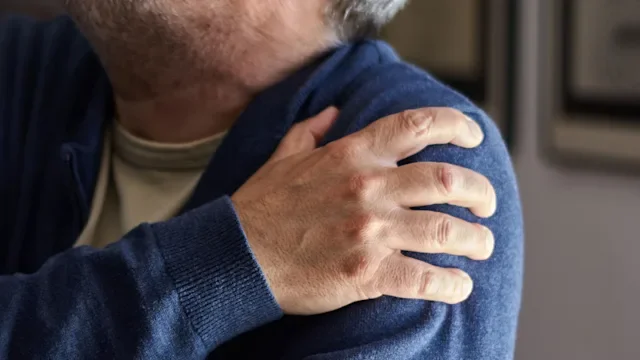
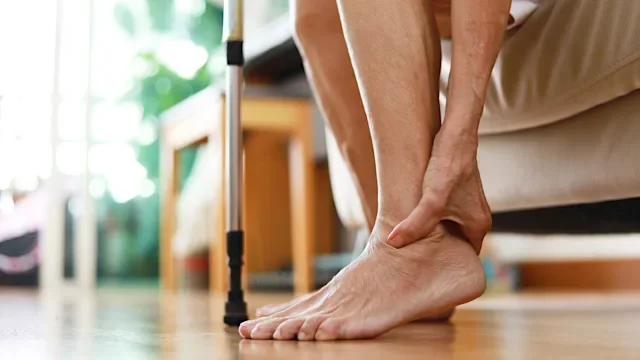
When most people think of “arthritis,” they’re actually thinking about osteoarthritis. This is the most common form of arthritis that usually appears in old age from “wear and tear” of the joints — as opposed to the inflammatory forms of arthritis like rheumatoid arthritis and psoriatic arthritis.
Here’s how it works: It’s almost like you have a squishy water balloon between the joints that keeps the two bones from grinding together. That water balloon is like the synovial membrane, and the “water” inside is synovial fluid. Additionally, the bone is capped off with cartilage, providing additional cushion.
However, if there’s too much pressure on the joints each day, the cartilage and synovial membrane can wear away over time, resulting in bones that grate together like a mortar and pestle. That’s osteoarthritis.
Search and compare options
The most commonly affected joints in osteoarthritis are the knees, hands, spine, and hips. Once the bones are grinding together, you might experience symptoms of osteoarthritis like:
Pain
Swelling
“Cracking” joint movements
And stiffness.
While it’s natural for the joints to lose some of their cushion as you age, not everyone develops osteoarthritis. You’re more likely to develop osteoarthritis if:
You overuse specific joints, such as athletes
It runs in your family
Or you are overweight.
There’s no way to turn back time and reverse joint damage once it occurs, but your doctor might prescribe meds to help reduce the pain of grinding joints. However, it’s important to remember that osteoarthritis isn’t inevitable, and it’s not a “natural” part of aging. You can reduce your risk of osteoarthritis by maintaining a healthy weight, staying active, diversifying your workouts, and following an overall healthy lifestyle.
If your joints are giving you trouble, bring it up with your doctor to learn about your options. It might not be osteoarthritis: Here are other possible causes of joint pain.
References
American College of Rheumatology. (2023). Osteoarthritis.
Arthritis Foundation. (n.d.). Slowing ostoarthritis progression.
Doherty, M., et al. (2023). Clinical manifestations and diagnosis of osteoarthritis. UpToDate.

Why trust our experts?