Alcohol Use Disorder: Causes, Symptoms, and Treatments
Comprehensive information for you or a loved one — including treatment options and discounts on popular medications.

Alcohol use disorder is a condition where a person has difficulty stopping or managing their alcohol use. People with alcohol use disorder prioritize alcohol over other areas of their lives, like their relationships, family, work, and health. You may also hear people refer to alcohol use disorder as alcohol dependence, addiction, or alcoholism.
Alcohol use is common, but only a portion of people who drink alcohol have alcohol use disorder. A 2023 national survey found that more than 28 million people in the U.S. ages 12 and over had alcohol use disorder within the past year. That’s about 10% of that age group.
“Moderate alcohol use” becomes a disorder when a person lacks control and has problems because of their alcohol use. These problems may include conflict with family and health issues like cirrhosis.


Alcohol use disorder is caused by a combination of genetic and environmental factors.
Genetics account for about half of a person’s risk. Researchers have found several genes that play a role in alcohol use disorder. There are also certain genes that can reduce your risk of developing this condition.
Your environment, experiences, and surroundings can also impact your risk of alcohol use disorder. Another factor is the interaction between your genetics and your environment. For example, having a family member with a history of alcohol use disorder increases your risk. This could be due to genetic factors, learned behavior from being around them, or a combination of both.
Other risk factors for alcohol use disorder include:
How much you drink: Binge drinking and heavy drinking increase the risk of alcohol addiction.
At what age you drink: People who start drinking before age 15 are five times more likely to develop alcohol use disorder.
Your mental health: Having a mental health condition, like depression, increases your chances of having alcohol use disorder.
A person with alcohol use disorder will display certain symptoms and signs, which healthcare professionals use to diagnose a substance use disorder:
Symptoms are feelings and experiences that indicate that a person may have an alcohol addiction.
Signs are observable changes in a person’s mood, behavior, or appearance that can occur while intoxicated or when misusing alcohol.
Symptoms and signs of alcohol use disorder include:
Drinking more or for longer than planned
Having tried unsuccessfully to quit or cut back in the past
Spending large amounts of time drinking or recovering from alcohol use
Cravings for alcohol
Difficulty keeping up with responsibilities at home, work, or school because of alcohol use
Drinking in situations that could be dangerous
Giving up activities or interests that were once important because of alcohol
Continuing to drink even though it has caused problems with loved ones
Continuing to drink even though it has caused physical or mental health problems
Needing more alcohol over time to feel the same effects
Experiencing withdrawal symptoms, like shaky hands, rapid heart rate, and seizures when you’re not drinking
Diagnosing alcohol use disorder starts with a screening and evaluation. A mental health or medical professional can do this. This might be a counselor, psychologist, or doctor.
During an evaluation, your specialist will ask questions about:
Your current and past use of drugs and alcohol use, including how much and how often
Whether you have a family history of addiction
Your current psychiatric symptoms, like depression and anxiety
Your past psychiatric history
Things in your life that cause you stress
Your support system
To form a diagnosis, they might also:
Do a physical exam to figure out if you’re experiencing withdrawal or have any health issues related to alcohol
Review laboratory results
Screen using a tool like the Alcohol Use Disorders Identification Test (AUDIT)
Collect information from your family
It’s important to get a clear, accurate diagnosis. That way, you and your healthcare team can come up with a plan for treatment.
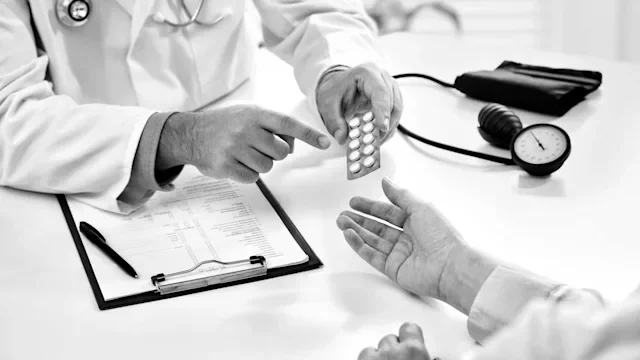
Treatment for alcohol use disorder involves a combination of therapy, medication, and support groups. Alcohol withdrawal can be life-threatening. This is why it’s important to get professional help to manage withdrawal symptoms and safely detox. But treatment for alcohol use disorder doesn’t stop with detox.
Behavioral therapies can help treat alcohol use disorder. Examples are cognitive behavioral therapy (CBT) and motivational enhancement therapy — also called motivational interviewing.
These therapies share common goals like:
Coping with triggers
Setting attainable goals
Strengthening your support system
Developing tools and strategies to prevent relapse
Medication-assisted treatment (MAT) combines medication and therapy. Medications to treat alcohol use disorder can include:
Disulfiram (Antabuse): This stops the breakdown of alcohol and causes unpleasant side effects if you drink after taking it.
Acamprosate (Campral): This decreases your desire to drink and can help you maintain abstinence.
Naltrexone (Vivitrol, ReVia): This reduces urges to drink alcohol and can help prevent relapse.
Support groups like Alcoholics Anonymous (AA) and SMART Recovery can also help in the recovery from alcohol use disorder.
There’s strong evidence that treatment for alcohol use disorder works. But sometimes it can be hard to know if you have a drinking problem or to recognize that it’s time to get help. You may have friends or family who talk about their concerns about your drinking. However, you may need to take the step to reach out for support. And there are many resources available.
To get help for alcohol use disorder, you can start by speaking with your primary care provider. They’ll be able to evaluate you and provide a referral for treatment.
If you don’t have a primary care provider, you can contact the National Institute on Alcohol Abuse and Alcoholism (NIAAA) or Substance Abuse and Mental Health Services Administration (SAMHSA) for assistance.
The NIAAA offers an Alcohol Treatment Navigator. You can use it to search for alcohol treatment programs and to get answers to common questions about treatment.
You can also contact SAMHSA’s National Helpline at 1-800-662-HELP (4357). The helpline provides information and referrals for substance use and mental health treatment. The service is free, confidential, and available 24 hours a day. You can also use the Online Treatment Locator to find treatment options in your area.
Treating and managing alcohol use disorder isn’t a one-and-done type of thing. From the initial risks of alcohol withdrawal through relapse triggers, working with healthcare professionals can help you throughout your recovery. There are also steps you can take to help yourself cope with alcohol use disorder.
Triggers are people, places, things, or feelings that cause urges to drink. Examples include parties, bars, and stress. You may be able to avoid some triggers, but others are unavoidable. When it comes to unavoidable triggers, come up with a coping plan. For example, you can reach out to your sober community, write in a journal, or go for a walk.
Recovering from alcohol addiction may involve setbacks, like relapse. If this occurs, avoid beating yourself up. Instead, consider what you could do to change your relapse prevention plan.
People with alcohol use disorder are over three times more likely to have another mental health condition. Getting treatment for mental health issues is important for recovery.
Whether you reach out to family, friends, or other people in recovery in groups like AA, make an effort to stay connected.
The only way to guarantee that you won’t develop alcohol use disorder is to abstain from alcohol (not drink at all). If you choose to drink, it’s important to understand your risk factors. Also, be aware of your drinking habits and your relationship to alcohol. These efforts can help you avoid developing an addiction. The more risk factors you have, the higher your risk of developing alcohol use disorder.
No matter your level of risk, if you choose to drink, aim to stick to the recommended guidelines for moderate drinking:
Two drinks or less per day for men
One drink or less per day for women
If you’re having trouble staying within those limits, seek help. Even if you don’t have alcohol use disorder, getting help early can prevent you from developing it.
When it comes to preventing underage drinking, talking to kids and teens about the risks of alcohol is important. Other helpful strategies include:
Strengthening family bonds
Encouraging open and healthy communication
Knowing about their activities and who they’re friends with
Setting rules and disciplining them appropriately
Teaching them skills on how to refuse alcohol
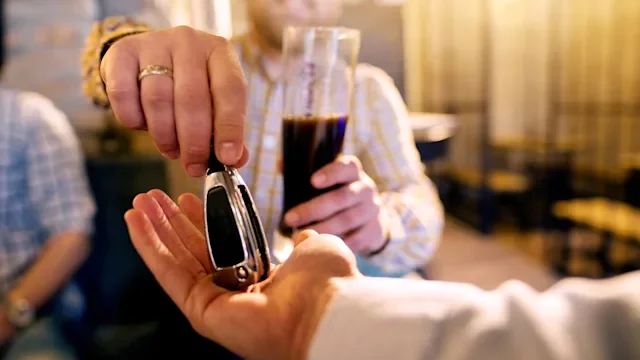
Here are some tips for supporting a loved one with alcohol use disorder:
Show compassion.
Express your concerns in a caring and nonjudgmental manner.
Offer to assist them in finding help.
Consider sharing your own story if you’re in recovery.
Avoid shaming or forcing them into treatment.
Remember to take care of your own physical and mental health.
Here are some tips for supporting a loved one with alcohol use disorder:
Show compassion.
Express your concerns in a caring and nonjudgmental manner.
Offer to assist them in finding help.
Consider sharing your own story if you’re in recovery.
Avoid shaming or forcing them into treatment.
Remember to take care of your own physical and mental health.
Yes, alcohol use disorder is a mental illness. Like other mental health conditions, it affects your thoughts, feelings, and behaviors. It’s not a sign of weakness or a lack of morals. Just like other mental health conditions, treatment can help you recover.
“Alcoholism” is an informal term that refers to alcohol use disorder. Professionals use the clinical term “alcohol use disorder” to diagnose the condition. Other terms to describe alcohol use disorder include alcohol abuse, dependence, and addiction.
To manage your alcohol use, remember to:
Stick to guidelines for moderate drinking.
Be aware of the size of a standard drink.
Don’t engage in binge drinking or heavy drinking.
Avoid drinking to self-medicate or to manage stress or other negative feelings.
Find other ways to have fun.
Get help if you or your loved ones are concerned about your alcohol use.
The time to detox from alcohol varies from person to person. To safely manage withdrawal symptoms, medical supervision is necessary. That’s true whether you detox in an inpatient or outpatient setting. Detox treatment can take 3 to 14 days in an outpatient setting. The average is about 1 week, based on one study. Inpatient detox treatment can take between 5 and 14 days.
Alcohol Use Disorders Identification Test. (n.d.). Alcohol Use Disorders Identification Test (AUDIT).
Centers for Disease Control and Prevention. (2025). Alcohol use and your health.

Prescription savings
Stop paying too much for your prescriptions. Compare prices, get pharmacy coupons, and save up to 80%. Find expert answers to your health questions so you can make the best decisions for yourself and your family.
Health conditions
Medications & treatment
Access & affordability
 Our monthly healthcare membership can help you save thousands on your prescription costs.
Resources