Key takeaways:
There are two main types of medication used to treat ADHD (attention-deficit hyperactivity disorder): stimulants and non-stimulants.
The options for ADHD medication in children are similar to ADHD medications for adults.
The best ADHD medication for you or your child will depend on your individual circumstances. It may take patience and some trial and error to find the right fit.
Even if you take medication for ADHD, it doesn’t necessarily mean you’ll need it forever. It all depends on your symptoms and what’s best for you as an individual, at different phases of life.
Save on related medications
If you’re new to the world of attention-deficit hyperactivity disorder (ADHD) medications, the choices can be mind-boggling. Should you opt for a stimulant medication or a non-stimulant? And how do you navigate all the different brands and formulations? Here, we’ll walk through your options. This way, you’ll know what to consider along the way.
What is ADHD medication?
Medication is one of the main treatments for ADHD. Though medication isn’t an ADHD cure, it’s effective and even life-changing for many people. It can help you pay attention and stay focused, and be less hyperactive and impulsive. It can also help you stay organized and have more self-control.
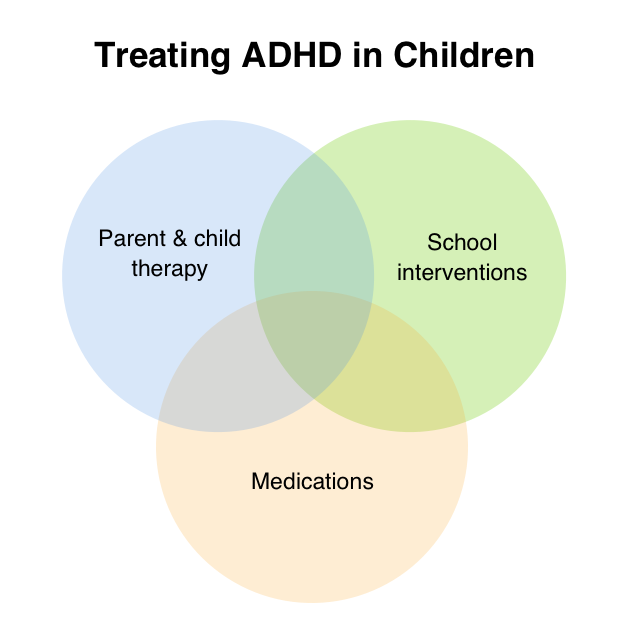
For most adults with ADHD, treatment with a stimulant medication is generally the first step. For children, the best ADHD treatment typically involves a combination of behavioral therapy, school interventions, and, if necessary, medication.
How do ADHD meds work?
Different ADHD medications work in different ways. Most of them help certain chemical messengers in your brain function more effectively — especially dopamine and norepinephrine. These chemical messengers affect your ability to pay attention, concentrate, and stay focused.
Types of ADHD medications for children and adults
When it comes to prescription medications for ADHD, the options for children and adults are pretty similar. But there are some important differences:
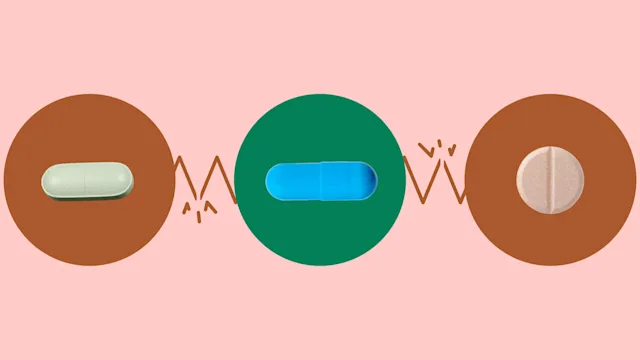
Stimulants: These are controlled substances, they work in under 1 hour, are typically a first-choice medication for ADHD, and may suppress your appetite.
Non-stimulants: These are not controlled substances, take weeks to work, and are helpful when there is also anxiety, tics, or a risk of misuse.
Let’s take a closer look.
1. Stimulant medications for ADHD
Stimulants are the most common prescription medications for ADHD in both children and adults. They work well, act fast, and have been used safely for many decades. As mentioned above, researchers think they work by boosting levels of dopamine and norepinephrine — the chemicals that fuel messaging within different parts of your brain and body.
There are two types of stimulants for ADHD:
Methylphenidate
Amphetamine
Methylphenidate and amphetamine come in different forms, including short-acting and long-acting versions. There’s no difference in how well short-acting and long-acting stimulants work to treat ADHD. Both are suitable for children and adults. The choice boils down to when you prefer taking your dose, whether you can swallow ADHD pills, the risk of misuse, and cost.
Here are some of the options currently available.
ADHD medication name | Type of medication | Form |
|---|---|---|
Adderall | Amphetamine | Short-acting pill |
Adderall XR | Amphetamine | Long-acting pill |
Adzenys XR-ODT (amphetamine sulfate ER) | Amphetamine | Long-acting orally disintegrating tablet (ODT) |
Azstarys (serdexmethylphenidate / dexmethylphenidate) | Methylphenidate | Long-acting pill |
Concerta | Methylphenidate | Long-acting pill |
Daytrana patch | Methylphenidate | Long-acting patch |
Focalin | Methylphenidate | Short-acting pill |
Focalin XR | Methylphenidate | Long-acting pill |
Mydayis | Amphetamine | Long-acting pill |
Quillichew ER (methylphenidate ER) | Methylphenidate | Long-acting chewable tablet |
Quillivant XR (methylphenidate ER) | Methylphenidate | Long-acting liquid |
Ritalin | Methylphenidate | Short-acting pill |
Ritalin LA | Methylphenidate | Long-acting pill |
Vyvanse | Amphetamine | Long-acting pill and chewable tablet |
Xelstrym (dextroamphetamine ER) | Amphetamine | Long-acting patch |
Short-acting stimulants belong to an older category of medication. They have a great safety record and are available in generic formulations, which means they’re usually cheaper. They start working in less than 1 hour. But because they’re short-acting, they typically need to be taken 2 to 3 times a day for an around-the-clock effect. As a result, their effects can sometimes wear off between doses.
On the other hand, long-acting stimulants are designed to last most of the day and reduce the need for multiple doses. Some people may still notice symptoms returning in the late afternoon or evening. Like the short-acting stimulants, they start working in under 1 hour. But their side effects can last throughout the day, and they tend to be more expensive since fewer generics are available.
2. Non-stimulant medications for ADHD
Non-stimulant ADHD meds are less effective at treating symptoms. They also take several weeks to start working, compared to under 1 hour for most stimulants. But they’re an option for people who have a medical reason not to take stimulants — like a risk or history of substance abuse — or those who prefer not to. They can also be an option if stimulants haven’t worked or if they make other symptoms worse, like tics or anxiety.
Types of non-stimulant medications for ADHD include:
Atomoxetine (Strattera)
Viloxazine (Qelbree)
Guanfacine ER (Intuniv)
Clonidine ER (Kapvay)
Bupropion (Wellbutrin)
Nortriptyline (Pamelor)
These medications all work in different ways. But just like stimulants, most seem to affect neurotransmitter activity on some level, especially norepinephrine.
In terms of non-stimulant medications, ADHD specialists recommend using atomoxetine or viloxazine as a first-choice medication for both children and adults. Second-choice options include guanfacine or clonidine for children, and bupropion or nortriptyline for adults.
What are the side effects and risks of ADHD medication?
All medications have side effects and risks. It’s important to weigh the potential benefit against the potential risks. This calculation is different for each individual’s unique situation.
When it comes to ADHD medications, the side effects and risks to consider will also depend on whether you’re taking a stimulant or a non-stimulant.
It’s also good to know that stimulant medications are controlled substances, which means they come with extra warnings and precautions.
In 2023, the FDA updated boxed warnings for prescription stimulants to highlight risks of misuse, addiction, and overdose. These medications should be taken exactly as prescribed and stored safely, especially in households with children or teens.
Long-acting formulations carry a lower misuse risk than short-acting stimulants.
Stimulant side effects
Common side effects of both methylphenidate and amphetamines include:
Nervousness
Headaches
Changes in sex drive
Muscle tightness or cramps
Dry mouth
Diarrhea
Nausea
Weight loss
These medications can cause other side effects, too. But many times, side effects are mild, settle quickly, and can be managed with small adjustments to doses or dosage schedules.
Stimulant medications can also have more serious side effects. Make sure to read the package information that comes with your prescription, so you know what to watch for — and when to talk to your prescriber.
Keep in mind: Stimulants have been linked to heart problems in some people. Because of this, your prescriber might look for underlying heart problems before you start the medication. They might also check your blood pressure and heart rate regularly to make sure everything is okay.
Non-stimulant side effects (atomoxetine)
Side effects of non-stimulant ADHD medications vary depending on the drug. That’s because these medications all work slightly differently.
The most common side effects of atomoxetine include:
Nausea
Dry mouth
Low appetite
Sleep problems
Headache
Stomach pain
Tiredness
Other serious but rare side effects of atomoxetine include:
Liver toxicity
Increased risk of suicide and suicidal thoughts in children and adolescents
Serious heart-related events, mostly in people with underlying heart conditions
Because of the rare risk of cardiac death and heart attacks, the American Academy of Pediatrics and the American Heart Association recommend testing for heart problems before starting atomoxetine. Children and teens should also be closely monitored for changes in behavior or suicidal thoughts, especially in the first 4 to 5 months of treatment and after any dose increases.
What other treatments can be helpful for ADHD?
For some people with ADHD, non-medication treatments can also help.
Behavioral therapy has strong evidence, especially for children. Other approaches — like supplements or acupuncture — have limited or mixed evidence.
If you’re interested in alternatives to medication, talk to a healthcare professional about whether the following strategies may work for you or your child:
Exercise
Natural supplements
Acupuncture
Meditation and mindfulness
Behavioral therapy
In some cases, these may be enough to keep ADHD symptoms under control. Often times, these strategies are helpful along with medication.
Frequently asked questions
It’s hard to say. When it comes to ADHD symptoms and treatment, everyone’s experience is different. In general, many people with ADHD feel more focused and less impulsive when taking medication.
If you have ADHD, taking medication may also make you feel happier, more confident, and less stressed. Some people also find that their relationships improve on medication, or that they’re more productive at work, school, or home. At the same time, some people notice side effects like reduced appetite or trouble sleeping. You might have to adjust your dose a few times to get the right balance for you.
Prescription stimulants are not approved for improving focus in people without ADHD. In people without the condition, these medications don’t reliably improve thinking or performance. And, they carry real risks.
Aside from ADHD, there are many different things that can cause concentration problems, including other mental and physical health problems. If your difficulty concentrating is caused by another health condition, then it’s possible that taking medication for that condition could help. For example, depression can make it hard to concentrate. If depression is affecting your ability to focus, taking an antidepressant could potentially help you focus.
Stimulants are Schedule II controlled substances, which means they come with a real risk of addiction and dependence, according to the DEA (Drug Enforcement Administration).
The risk of addiction is lower when stimulant medications are used as prescribed and monitored closely.
On the other hand, untreated ADHD comes with its own risk of substance use. When stimulant medications are used as directed and work well, they may reduce the chance of drug and alcohol problems in people with ADHD. This may be because ADHD medication often helps people feel better overall, making them less likely to self-medicate with alcohol or drugs.
ADHD specialists recommend amphetamines as the first-choice medication for most adults.
In 2018, a large review involving over 8,000 adults across 51 clinical trials showed that amphetamines were moderately better at improving core ADHD symptoms when compared to methylphenidate after a 12-week treatment course. But the best option for you depends on side effects, medical history, and your own individual response.
It’s hard to say. When it comes to ADHD symptoms and treatment, everyone’s experience is different. In general, many people with ADHD feel more focused and less impulsive when taking medication.
If you have ADHD, taking medication may also make you feel happier, more confident, and less stressed. Some people also find that their relationships improve on medication, or that they’re more productive at work, school, or home. At the same time, some people notice side effects like reduced appetite or trouble sleeping. You might have to adjust your dose a few times to get the right balance for you.
Prescription stimulants are not approved for improving focus in people without ADHD. In people without the condition, these medications don’t reliably improve thinking or performance. And, they carry real risks.
Aside from ADHD, there are many different things that can cause concentration problems, including other mental and physical health problems. If your difficulty concentrating is caused by another health condition, then it’s possible that taking medication for that condition could help. For example, depression can make it hard to concentrate. If depression is affecting your ability to focus, taking an antidepressant could potentially help you focus.
Stimulants are Schedule II controlled substances, which means they come with a real risk of addiction and dependence, according to the DEA (Drug Enforcement Administration).
The risk of addiction is lower when stimulant medications are used as prescribed and monitored closely.
On the other hand, untreated ADHD comes with its own risk of substance use. When stimulant medications are used as directed and work well, they may reduce the chance of drug and alcohol problems in people with ADHD. This may be because ADHD medication often helps people feel better overall, making them less likely to self-medicate with alcohol or drugs.
ADHD specialists recommend amphetamines as the first-choice medication for most adults.
In 2018, a large review involving over 8,000 adults across 51 clinical trials showed that amphetamines were moderately better at improving core ADHD symptoms when compared to methylphenidate after a 12-week treatment course. But the best option for you depends on side effects, medical history, and your own individual response.
The bottom line
When it comes to ADHD medication, there’s no magic formula for selecting a medication. Though stimulant medications are often a good first choice, what works for one person won’t necessarily work for another. Finding the right medication will depend on your symptoms, how easy it is to take, and how tolerable the side effects are.
If you’ve been diagnosed with ADHD, talk to a healthcare professional about your options. For many people, taking ADHD medications can be a good way to control your symptoms and make daily life more manageable. But what medication you take — and how long you take it for — is something you and your care team should decide together.

Why trust our experts?




References
American Academy of Children and Adolescent Psychiatry. (2020). Attention deficit hyperactivity disorder: Medication parents’ guide.
Centers for Disease Control and Prevention. (2024). Parent training in behavior management for ADHD.
Children and Adults with Attention-Deficit/Hyperactivity Disorder. (n.d.). Medication management.
Cortese, S., et al. (2018). Comparative efficacy and tolerability of medications for attention-deficit hyperactivity disorder in children, adolescents, and adults: A systematic review and network meta-analysis. Lancet Psychiatry.
Dupar, L. (2022). How does ADHD medication work? With lots of monitoring. Additude.
Faraone, S. V. (2018). The pharmacology of amphetamine and methylphenidate: Relevance to the neurobiology of attention-deficit/hyperactivity disorder and other psychiatric comorbidities. Neuroscience and Biobehavioral Reviews.
Harahsheh, A. (2018). Cardiovascular risk and stimulant medication. Children and Adults with Attention-Deficit/Hyperactivity Disorder.
NextWave Pharmaceuticals. (2025). Quillivant XR - methylphenidate hydrochloride suspension, extended release [package insert]. DailyMed.
NextWave Pharmaceuticals. (2026). Quillichew ER - methylphenidate hydrochloride tablet, chewable, extended release [package insert]. DailyMed.
Novartis Pharmaceuticals. (2021). Focalin XR [package insert].
Novartis Pharmaceuticals. (2021). Ritalin LA [package insert].
Raleigh, M. F., et al. (2015). Tricyclic antidepressants for the treatment of ADHD in children and adolescents. American Family Physician.
Rodden, J. (2023). Non-stimulant ADHD medication overview. Additude.
Silver, L. (2025). How to tame the tics associated with ADHD medication. Additude.
Takeda Pharmaceuticals America. (2021). Mydayis [package insert].
U.S. Food and Drug Administration. (2023). FDA updating warnings to improve safe use of prescription stimulants used to treat ADHD and other conditions.
Verbeeck, W., et al. (2017). Bupropion for attention deficit hyperactivity disorder (ADHD) in adults. Cochrane Database of Systematic Reviews.
Wilens, T. E. (2024). Does stimulant medication cause drug dependence? Additude.