Key takeaways:
Glucagon-like peptide-1 (GLP-1) injections like Wegovy (semaglutide) and Zepbound (tirzepatide) are the most effective weight-loss medications available today.
As of January 2026, the Wegovy pill (oral semaglutide) is now available. Other oral GLP-1 pills, such as orforglipron and VK2735, are in development. The FDA could approve orforglipron in 2026.
GLP-1 pills may be used as initial treatments or maintenance therapy after injections. They could also be used as part of a flexible step-up or step-down strategy.
If you're new to using GoodRx for Wegovy savings, pay an introductory price for the first two fills of $199 per month for the injection and $149 per month for the pill (only available for certain doses). For future fills and for other Wegovy doses, pay $349 per month for the injection and $299 per month for the pill. Subscribers to GoodRx for Weight Loss can access FDA-approved, brand-name GLP-1 medications like Wegovy.
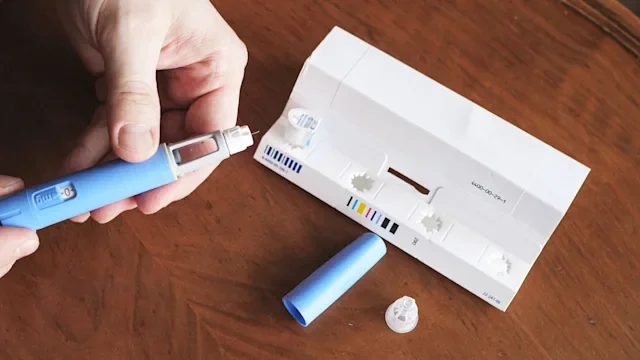
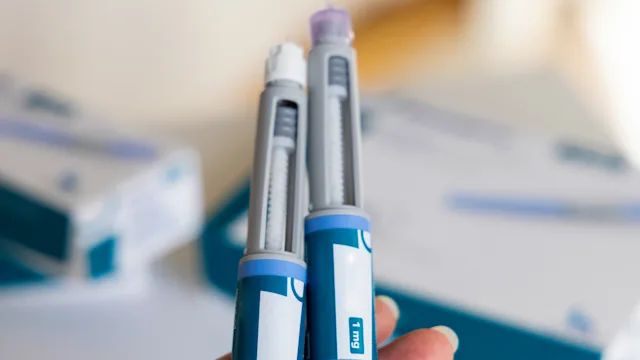
Glucagon-like peptide-1 (GLP-1) medications have emerged as powerful tools for weight loss. So far, injectable options like Wegovy (semaglutide) and Zepbound (tirzepatide) have been leading the way. And their benefits go beyond weight loss alone — as they’ve shown to improve heart health, kidney health, and even sleep apnea.
But injectable medications aren’t right for everyone. That’s where a new wave of oral GLP-1 medications could make a difference. These needle-free alternatives could offer a simpler, more accessible way for people to benefit from GLP-1 therapy.
As of January 2026, the Wegovy pill is now available, marking an important step forward for oral weight-loss medications. And with additional GLP-1 pills expected in the near future, here’s where they could fit in.
Search and compare options
What are GLP-1 medications?
GLP-1 medications mimic GLP-1, a hormone that helps regulate appetite, blood glucose (blood sugar), and digestion. Most of these medications are designed to mimic GLP-1 alone. Others, like tirzepatide, also mimic GIP (glucose-dependent insulinotropic polypeptide) for additive effects.
Currently, most GLP-1s are injections used to treat Type 2 diabetes. A few, including Wegovy, Zepbound, and Saxenda (liraglutide), are FDA approved for weight loss. Rybelsus, which is used for Type 2 diabetes, was the first GLP-1 pill to reach the market. The Wegovy pill, the newest option, is the first GLP-1 approved specifically for weight loss.
Why GLP-1 pills could be a game-changer
GLP-1 pills are no longer just a future concept — they're here. With the approval of the Wegovy pill, oral GLP-1s are now an FDA-approved option for weight loss.
During clinical trials, people taking the Wegovy pill lost an average of about 14% of their starting body weight at 64 weeks. This is similar to the weight loss seen in Wegovy injection trials (2.4 mg dose). But it’s important to note that the Wegovy pill isn’t absorbed as well as the injection. You need to take it on an empty stomach first thing in the morning to maximize absorption.
Several additional GLP-1 pills are in late-stage development — and they’re getting closer to hitting the market. These include:
Orforglipron is a non-peptide oral GLP-1 medication. It’s made using a simpler manufacturing process than GLP-1 injections. This could lead to lower prices, easier production, and fewer supply issues. And compared to oral semaglutide, it’s more easily absorbed by the body and doesn't need to be timed around meals.
VK2735 is another medication that mimics both GLP-1 and GIP, like tirzepatide. Clinical trial data for oral VK2735 show promising weight-loss results. Researchers are also studying an injectable version, which is further along in the clinical development process.

Predicted trends: Curious about what’s next for GLP-1s? Here are the GLP-1 trends to expect in 2025.
Convenience and impact: Discover what to know about weight-loss pills that are already FDA approved for use.
Next generation weight-loss pills: Orforglipron is an oral GLP-1 medication in development. Here’s what you should know about “gliprons" for weight loss.
What’s coming next: Learn about weight-loss medications being developed and when they could be available.
How GLP-1 pills may be used for weight loss
Fatima Cody Stanford, MD, MPH, MPA, an obesity medicine physician-scientist, educator, and policymaker at Massachusetts General Hospital and Harvard Medical School, explained to GoodRx Health how these oral options might fit into different treatment strategies.
Initial weight-loss treatments
Some people may start their GLP-1 journey with a pill, especially if they’re hesitant about injections. A daily oral medication may feel more familiar and easier to manage.
“Self-injection can be a significant barrier for some people, either due to needle phobia, inconvenience, or perceived stigma,” explained Stanford. “Oral options might increase their willingness to initiate and adhere to treatment, potentially broadening the pool of people who can benefit from [GLP-1] therapy.”
Maintenance therapy after weight loss
For people who’ve already lost weight with an injectable GLP-1, switching to a pill may help maintain progress without continuing injections.
“Oral medications could indeed function as an “off-ramp” for those who have reached their treatment goals with injectables and wish to maintain their progress with a less invasive option,” said Stanford. “This transition could help in sustaining motivation and adherence to treatment over the long term.”
This maintenance approach is currently being investigated. The ATTAIN-MAINTAIN trial is studying how orforglipron helps people keep weight off after stopping Zepbound. And oral VK2735 may play a similar role with the injectable version.
Step-up or step-down strategies
GLP-1 pills could also support flexible treatment plans, depending on a person’s needs and preferences.
One option is a step-up approach, which may help ease people into treatment. This method may be especially appealing for those hesitant to start with injections right away. As explained by Stanford, “People might begin with oral medications to achieve initial weight loss or glycemic control, and then transition to injections if more intensive treatment is needed.”
On the flip side, a step-down approach can be used to simplify things or lower treatment intensity after reaching goals. In this case, someone might switch from the injections to a pill to reduce side effects, lower cost, or make the routine easier to stick to.
Whether someone is starting or continuing treatment, GLP-1 pills could give people more options to help meet or maintain their long-term body weight goals.
Challenges facing GLP-1 weight-loss pills
Before GLP-1 pills go mainstream, several questions remain. Stanford noted factors such as effectiveness, adherence, and affordability playing a role in how quickly and broadly GLP-1 pills are adopted once available.
Can they match injectable GLP-1 results? The Wegovy pill (25 mg) has shown weight-loss results similar to Wegovy (2.4 mg). Results from orforglipron's ATTAIN-1 trial showed that people taking the highest dose (36 mg) lost about 12% of their starting body weight, on average.
Will they offer the same health benefits? Injectable GLP-1s have shown benefits beyond weight loss, including heart protection and sleep apnea improvement. Like the Wegovy injection, the Wegovy pill is also approved for cardiovascular risk reduction.
Will adherence improve with a daily pill? Some people may prefer a daily pill over a weekly injection. But others might struggle with remembering a daily dose. This is especially the case if there are strict instructions to follow when taking it.
Will they be affordable and covered by insurance? Pills like orforglipron may be easier and cheaper to make. But pricing and insurance coverage remain uncertain.
Can oral options prevent future shortages? Semaglutide and tirzepatide shortages have largely resolved in 2025, but demand remains high. Non-peptide oral GLP-1s are generally easier to produce. This may help relieve pressure on supply chains and support more consistent medication access.
What’s next for oral GLP-1 medications?
The approval of the Wegovy pill marked a major step forward for oral GLP-1 weight-loss options. And as interest in weight-loss treatments continues to grow, several other GLP-1 pills are moving through clinical trials. Here's where the leading candidates currently stand:
Orforglipron: Eli Lilly, the manufacturer of orforglipron, has submitted an approval application to the FDA. It's possible that orforglipron could be approved as early as March 2026.
VK2735: A phase 2 trial for the VK2735 pill has been completed, and the manufacturer plans to meet with regulatory authorities regarding next steps. The injectable version is currently being studied in a phase 3 trial.
The bottom line
Glucagon-like peptide-1 (GLP-1) injections like Wegovy (semaglutide) and Zepbound (tirzepatide) have revolutionized the weight-loss medication market. Now, oral GLP-1 pills are available, with more on the way, offering a simpler and more flexible option for weight loss.
The Wegovy pill was the first GLP-1 pill approved for weight loss. Other leading candidates include orforglipron and VK2735. The FDA could approve orforglipron as early as March 2026.

Why trust our experts?



References
Clinicaltrials.gov. (2025). A study of orforglipron for the maintenance of body weight reduction in participants who have obesity or overweight with weight-related comorbidities (ATTAIN-MAINTAIN). National Library of Medicine.
Clinicaltrials.gov. (2025). VK2735 for weight management phase 2 (Venture Oral Dosing). National Library of Medicine.
Constantino, A. K. (2025). Eli Lilly will soon release key data on its weight loss pill. Here’s why it could be a game-changer. CNBC.
Eli Lilly. (2025). Lilly's oral GLP-1, orforglipron, delivers weight loss of up to an average of 27.3 lbs in first of two pivotal Phase 3 trials in adults with obesity.
Novo Nordisk. (2025). FDA accepts filing application for oral semaglutide 25 mg, which if approved, would be the first oral GLP-1 treatment for obesity. PRNewswire.
Viking Therapeutics. (2024). Viking Therapeutics reports new data from VK2735 obesity program at ObesityWeek 2024. PRNewswire.
Viking Therapeutics. (2025). Viking Therapeutics reports fourth quarter and year-end 2024 financial results and provides corporate update.
Viking Therapeutics. (2025). Viking Therapeutics announces completion of enrollment in phase 2 VENTURE-Oral dosing trial of VK2735 tablet formulation in patients with obesity. PRNewswire.
Viking Therapeutics. (2025). Viking Therapeutics announces completion of enrollment in phase 3 VANQUISH-1 trial of VK2735.
Viking Therapeutics. (2025). Viking Therapeutics reports third quarter 2025 financial results and provides corporate update.