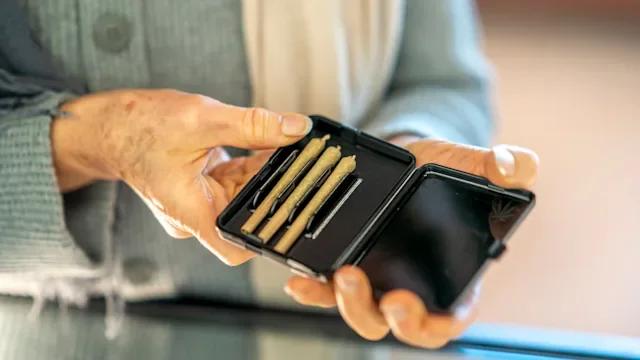
Key takeaways:
THC is the main ingredient in cannabis (marijuana) that gets you high. If you avoid THC, or take it in very small doses, you can avoid feeling high.
CBD and other chemicals from the cannabis plant generally do not get you high.
Cannabis creams and topicals do not make you feel high, so they are a great choice for people who are sensitive or worried about cannabis’s effects.
Although cannabis, or marijuana, is notorious for its mind-altering effects, modern science tells us that it also has many valid medical benefits. This begs the question: Is it possible to use cannabis for its health benefits without feeling high?
Read on to learn more about cannabis’s mind-altering effects, and how you can successfully reduce or avoid the cannabis high.
Why does cannabis make you feel high?
One of the most well-known effects of cannabis is its ability to make a person feel “high.” But what does feeling high really mean? After using cannabis, you may experience some of the following:
Feelings of relaxation, ease or happiness (also called euphoria)
Heightened senses such as brighter colors, richer sounds, or more body awareness
Different patterns of thinking, such as openness to new ideas
A sensation of unity with one’s surroundings
Search and compare options
However, not all of the symptoms of being high are necessarily pleasant or useful, especially if you accidentally use too much. People also experience:
Trouble thinking, paying attention, or making good decisions
Loss of body coordination, including speech (also called impairment)
Feelings of worry or anxiety
It’s important to note that there is a great amount of variability in how people experience these symptoms. For example, some people may have an altered mood, but no trouble paying attention. Many factors lead to these differences, including a person’s genetic makeup, previous experience with cannabis, and of course the amount they consume.
How THC gets you high
Almost all of these effects are driven by cannabis’s most infamous chemical, delta-9 THC. THC causes these effects by binding to a protein on our brain cells called the CB1 receptor. This protein is found in almost all areas of our nervous system, which explains why cannabis can cause such a wide spectrum of effects.
In order for a person to feel high, THC must be able to reach the CB1 receptors in the brain, and enough THC must be present to significantly change brain activity. One interesting thing about THC is that people can develop a tolerance to it. That is, with repeated use, the brain becomes less sensitive to THC’s effects, and more THC is needed to get the same effect as before.
How CBD and other chemicals affect your high
However, THC is only one of hundreds of chemicals in the cannabis plant. Other chemicals in cannabis could affect how you react to THC.

Read more like this
Explore these related articles, suggested for readers like you.


In one small study, CBD reduced some of the negative side effects of THC, and it helped people feel more relaxed. Despite popular claims that terpenes — the essential oils in cannabis — can change the cannabis high, there isn’t yet enough research to support this idea.
Does microdosing help you avoid a marijuana high?
THC’s effects are dose-dependent. This means that, in general, the more you take, the more intense the feelings will be. So, taking very small doses is one of the best strategies to avoid getting high.
The practice of consuming very low doses of THC or other substances is often called “microdosing.” Scientists define this term to mean that a person takes such a small amount of a substance that they can’t feel any of its effects. So, if you experience any of the feelings or symptoms listed above, you have ventured beyond the threshold of the microdose.
Researchers and healthcare providers often talk about the “therapeutic window” for medications: a dose high enough to have medical benefits, but low enough that it doesn’t cause too many side effects.
The same is true for cannabis: People generally look for a dose in the “sweet spot” where they can experience the benefits of cannabis, without the unwanted side effects. It’s important to note that everyone’s sweet spot might be different. People differ greatly in how much THC they can consume before the unwanted effects outweigh the good effects. If you’re unsure how much cannabis to take in terms of your dose, it’s a good idea to speak with a healthcare provider.
Can you avoid feeling high by using cannabis often?
Because the brain develops tolerance to THC’s effects, using cannabis regularly can cause people to lose the sensation of feeling high. Purposely building up a tolerance to THC can be a very helpful strategy for anyone who wants to reap the benefits of cannabis but does not want to feel high.
In fact, many cannabis experts recommend that patients start out with very small amounts of THC, and then slowly increase their doses over the course of several days or weeks. Clinical trials of cannabis-based medicines also use this tactic. This way, the brain can develop tolerance and the person can increase the medical effects of cannabis while minimizing the high.
One strategy for purposely building your tolerance is to take THC right before bed. This way, you could sleep through any of the mind-altering effects while your brain and body build tolerance. If you’re unsure about how to increase your dose of regular cannabis use, speak with your doctor or a healthcare provider to get an idea of what is best for you.
Does CBD get you high?
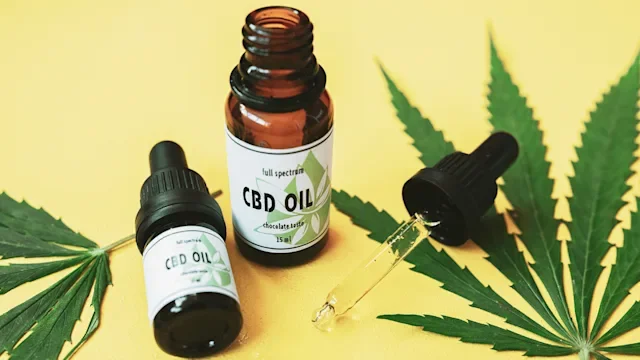
Cannabidiol (CBD) is the second-most common chemical found in most recreational varieties of cannabis. It is the primary ingredient in low-THC plants like hemp.
CBD binds directly to many targets in the brain (it is psychoactive). However, typical doses do not interfere with thinking or body coordination. At extremely high doses, though, CBD can cause unpleasant symptoms like vomiting. Cannabis experts recommend a maximum of 40 mg CBD per day.
Some people who use typical doses of hemp-based CBD products may experience a mild high. The reason for this is very unlikely to be from CBD itself. Rather, these products may contain small amounts of THC.
Over time, regular use of hemp-based products can potentially cause THC to build up in the body, which could result in a failed drug test. If this is a concern for you, it’s important to choose THC-free “distillate” products, which are made with pure CBD.
Although CBD doesn’t cause mind/body impairment, it has been shown to affect mood, especially at very high doses. For example, one study showed that swallowing 600 mg of CBD can decrease public speaking anxiety. Another recent study showed that inhaling CBD vapor can cause a sense of ease or relaxation.
Hemp-based CBD products are not regulated by the Food and Drug Administration (FDA). This means there are no federal guidelines for these products in terms of:
Testing
Labeling
Purity
Strength
Dosage
In fact, recent studies suggest that the majority of CBD products are mislabeled in one way or another. Some have more THC than legally allowed. Some have less CBD than the label states. And some have nothing at all (pure olive oil, for example).
What other cannabinoids can be used without getting high?
There are more than 100 different cannabinoid chemicals in cannabis (THC and CBD are the most abundant). Very little research has been done on the medical or recreational effects of these so-called “minor cannabinoids” in people. However, animal and laboratory experiments suggest that they are unlikely to cause someone to feel high.
Some of the more popular minor cannabinoids you might find at a dispensary include:
In its raw plant form, cannabis produces acidic forms of the more well-known cannabinoids (THCA and CBDA). After applying heat to the raw plant, these acidic chemicals transform into their more well-known, active forms (THC and CBD).
Purified THCA — the precursor or parent chemical of THC — does not appear to cause impairment. However, it is very unstable, and it easily turns into THC with time and light exposure.
Similarly, you might find hemp-derived CBDA products (CBDA is the acid precursor of CBD). Like the minor cannabinoids, there is not as much research about the effects of the acidic forms of cannabinoids.
If you’re buying minor cannabinoid products from a state-licensed dispensary, you’ll automatically have the benefit of lab testing that verifies their purity and strength. Hemp-derived and lab-made cannabinoids, however, exist in a legal gray area, and consumers should be wary of their safety.
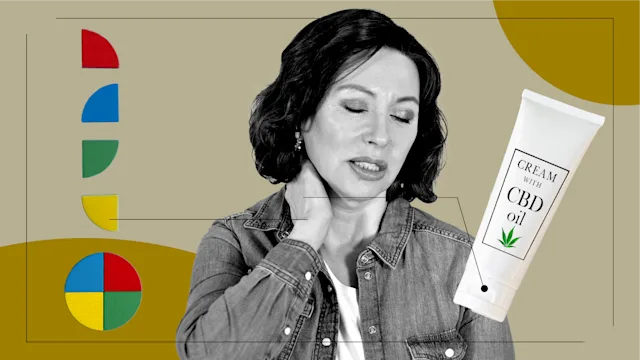
Do cannabis creams or topicals produce a high?
Cannabis topicals with THC are very unlikely to produce a high. This is because the THC has a hard time passing through the skin and into the bloodstream.
However, some cannabis topicals could contain other ingredients that increase skin penetration of THC. More research is needed to understand whether or not these ingredients could increase the chances of getting high.
What symptoms can you treat without feeling high?
By carefully managing THC exposure and tolerance, it’s possible to treat a wide range of symptoms without feeling high, including:
It’s important to remember that everyone is different. Cannabis may not work for all conditions. And some people may be so sensitive to THC that they are not able to find a dose or tolerance-building regimen that completely gets rid of the high. Nonetheless, studies in chronic pain patients suggest that even when people do feel high, it often isn’t bothersome and doesn’t interfere with their day.
The bottom line
The best way to avoid feeling high while using cannabis is to manage your response to THC. You can do this by slowly developing tolerance to THC’s psychoactive effects, taking small doses of THC, or avoiding THC altogether.
If you or someone you know struggles with substance use, help is available. Call SAMHSA’s National Helpline at 1-800-662-HELP (4357) to learn about resources in your area.

Why trust our experts?



References
Ahmed, A. I. A., et al. (2014). Safety and pharmacokinetics of oral delta-9-tetrahydrocannabinol in healthy older subjects: A randomized controlled trial. European Neuropsychopharmacology.
Bass, J., et al. (2020). A case of toxicity from cannabidiol gummy ingestion. Case Reports.
Bhaskar, A., et al. (2021). Consensus recommendations on dosing and administration of medical cannabis to treat chronic pain: Results of a modified Delphi process. Journal of Cannabis Research.
Bidwell, L. C., et al. (2021). A naturalistic study of orally administered vs. inhaled legal market cannabis: Cannabinoids exposure, intoxication, and impairment. Psychopharmacology.
Boehnke, K. F., et al. (2019). Qualifying conditions of medical cannabis license holders in the United States. Health Affairs.
Boggs, D. L., et al. (2018). The dose-dependent psychomotor effects of intravenous delta-9-tetrahydrocannabinol (Δ 9-THC) in humans. Journal of Psychopharmacology.
Brooks-Russel, A., et al. (2021). Simulated driving performance among daily and occasional cannabis users. Accident, Analysis, and Prevention.
Cahill, S. P., et al. (2021). Evaluation of patient reported safety and efficacy of cannabis from a survey of medical cannabis patients in Canada. Frontiers in Public Health.
Campbell, L. M., et al. (2020). Cannabis use is associated with greater total sleep time in middle-aged and older adults with and without HIV: A preliminary report utilizing digital health technologies. Cannabis.
Casiraghi, A., et al. (2020). Topical administration of cannabidiol: Influence of vehicle-related aspects on skin permeation process. Pharmaceuticals.
CBD Media. (2021). Industry sounds alarm over Oregon’s proposed restrictions on hemp/CBD products.
Centers for DIsease Control and Prevention. (2021). Marijuana and public health.
Cogan, P. S. The ‘entourage effect’ or ‘hodge-podge hashish’: The questionable rebranding, marketing, and expectations of cannabis polypharmacy. Expert Review of Clinical Pharmacology.
Costantino, A., et al. (1997). Hemp oil ingestion causes positive urine tests for delta 9-tetrahydrocannabinol carboxylic acid. Clinical Trial.
Crane, N. A., et al. (2021). Effect of Δ9-Tetrahydrocannabinol on frontostriatal resting state functional connectivity and subjective euphoric response in healthy young adults. Drug and Alcohol dependence.
Drennan, M. L., et al. (2021). Acute objective and subjective intoxication effects of legal-market high potency THC-dominant versus CBD-dominant cannabis concentrates. Scientific Reports.
Earleywine, M., et al. (2021). Cannabis-induced oceanic boundlessness. Journal of Psychopharmacology.
Englund, A., et al. (2013). Cannabidiol inhibits THC-elicited paranoid symptoms and hippocampal-dependent memory impairment. Journal of Psychopharmacology.
Englund, A., et al. (2015). The effect of five day dosing with THCV on THC-induced cognitive, psychological and physiological effects in healthy male human volunteers: A placebo-controlled, double-blind, crossover pilot trial. Journal of Psychopharmacology.
Evans, D. G., et al. (2020). Medical fraud, mislabeling, contamination: All common in CBD products. Missouri Medicine.
Food and Drug Administration. (2020). What you need to know (and what we’re working to find out) about products containing cannabis or cannabis-derived compounds, including CBD.
Filipiuc, L. E., et al. (2021). Major phytocannabinoids and their related compounds: Should we only search for drugs that act on cannabinoid receptors? Pharmaceutics.
Greis, A., et al. (2021). Perceived efficacy, reduced prescription drug use, and minimal side effects of cannabis in patients with chronic orthopedic pain. Cannabis and Cannabinoid Research.
Grimson, P., et al. (2020). Oral THC: CBD cannabis extract for refractory chemotherapy-induced nausea and vomiting: A randomised, placebo-controlled, phase II crossover trial. Annals of Oncology.
Hayley, A. C., et al. (2017). Detection of delta-9-tetrahydrocannabinol (THC) in oral fluid, blood and urine following oral consumption of low-content THC hemp oil. Forensic Science International.
Hazekamp. A., et al. (2007). Cannabis tea revisited: A systematic evaluation of the cannabinoid composition of cannabis tea. Journal of Ethnopharmacology.
Hess, C., et al. (2017). Topical application of THC containing products is not able to cause positive cannabinoid finding in blood or urine. Forensic Science International.
Lachenmeier, D. W., et al. (2019). Are adverse effects of cannabidiol (CBD) products caused by tetrahydrocannabinol (THC) contamination? F1000Research.
LaFrance, E. M., et al. (2017). Inspired by Mary Jane? Mechanisms underlying enhanced creativity in cannabis users. Consciousness and Cognition.
Linares, I. M., et al. (2019). Cannabidiol presents an inverted U-shaped dose-response curve in a simulated public speaking test. Brazilian Journal of Psychiatry.
Linden-Carmichael, A. N., et al. (2020). “Buzzwords”: Crowd-sourcing and quantifying U.S. young adult terminology for subjective effects of alcohol and marijuana use. Experimental and Clinical Psychopharmacology.
National Institute on Drug Abuse. (2021). What is marijuana?
Pacifici, R., et al. (2017). Evaluation of cannabinoids concentration and stability in standardized preparations of cannabis tea and cannabis oil by ultra-high performance liquid chromatography tandem mass spectrometry. Clinical Chemistry and Laboratory Medicine.
Project CBD. (2020). Decarboxylating cannabis.
Riva, N., et al. (2019). Safety and efficacy of nabiximols on spasticity symptoms in patients with motor neuron disease (CANALS): A multicentre, double-blind, randomised, placebo-controlled, phase 2 trial. Lancet Neurology.
Russo, E. B. (2011). Taming THC: Potential cannabis synergy and phytocannabinoid-terpenoid entourage effects. British Journal of Pharmacology.
Russo, E. B., et al. (2021). Survey of patients employing cannabigerol-predominant cannabis preparations: Perceived medical effects, adverse events, and withdrawal symptoms. Cannabis and Cannabinoid Research.
Stith, S. S., et al. (2020). The effectiveness of inhaled cannabis flower for the treatment of agitation/irritability, anxiety, and common stress. Journal of Cannabis Research.
Spindle, T. R., et al. (2020). Pharmacodynamic effects of vaporized and oral cannabidiol (CBD) and vaporized CBD-dominant cannabis in infrequent cannabis users. Drug and Alcohol Dependence.
Stoner, S. A., et al. (2017). Effects of marijuana on mental health: Anxiety disorders. Alcohol & Drug Abuse Institute.
Tewari, D. T., et al. (2010). Microdosing: Concept, application, and relevance. Perspectives in Clinical Research.
Zagzoog, A., et al. (2020). In vitro and in vivo pharmacological activity of minor cannabinoids isolated from Cannabis sativa. Scientific Reports.
Zaytseva, Y., et al. (2019). Cannabis-induced altered states of consciousness are associated with specific dynamic brain connectivity states. Journal of Psychopharmacology.
Zhornitsky, S., et al. (2020). Acute effects of partial CB 1 receptor agonists on cognition - A meta-analysis of human studies. Progress in Neuro-Psychopharmacology & Biological Psychiatry.