



Lupus Rash in Pictures: How to Recognize and Treat It
Unusual rashes can be some of the most common early signs of lupus. Here’s what you need to know about skin lupus, including pictures and treatment.
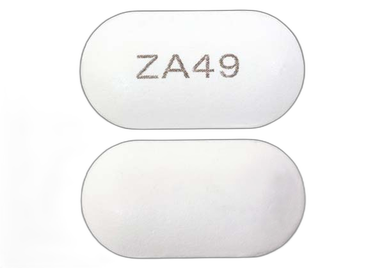
Mycophenolate (CellCept) belongs to a drug class called antiproliferatives and works as an immunosuppressant, meaning that it weakens your immune system. This medication is used in adults and children ages 3 months and older to help prevent their body from rejecting a transplanted organ. Mycophenolate (CellCept) is either taken by mouth or given as an infusion through the veins (IV). There are many potential side effects, including pain, headache, dizziness, and changes in blood pressure.

Mycophenolate (CellCept) is an antiproliferative medication that works as an immunosuppressant (a medication that weakens your immune system). The medication lowers the activity of your immune system by blocking your body from making certain immune system cells. This helps prevent your body from rejecting a transplanted organ.
| Common Brands | CellCept |
|---|---|
| Drug Class | Antiproliferative |
| Controlled Substance Classification | Not a controlled medication |
| Generic Status | Lower-cost generic available |
| Availability | Prescription only |

The following side effects may get better over time as your body gets used to the medication. Let your healthcare provider know immediately if you continue to experience these symptoms or if they worsen over time.
*Note: These side effects were reported by people who took mycophenolate (CellCept) with other immunosuppressants for heart transplant. Side effects will depend on your dose, the type of transplant you receive, and your other immunosuppressants.
Contact your healthcare provider immediately if you experience any of the following.
Along with its needed effects, a medicine may cause some unwanted effects. Although not all of these side effects may occur, if they do occur they may need medical attention.
Check with your doctor or nurse immediately if any of the following side effects occur:
More common
Blood in the urine
chest pain or discomfort
cough or hoarseness
fever or chills
increased cough
lower back or side pain
painful or difficult urination
shortness of breath
swelling of the feet or lower legs
Less common
Abdominal or stomach pain
black, tarry stools
bleeding, blistering, burning, coldness, discoloration of the skin, feeling of pressure, hives, infection, inflammation, itching, lumps, numbness, pain, rash, redness, scarring, soreness, stinging, swelling, tenderness, tingling, or warmth at injection site
bloody vomit
enlarged gums
irregular heartbeat
joint pain
muscle aches or pain
pinpoint red spots on the skin
red, inflamed, or bleeding gums
sores inside the mouth
trembling or shaking of the hands or feet
unusual bleeding or bruising
white patches on the mouth, tongue, or throat
Incidence not known
Abdominal or stomach distention
back pain
blue lips, fingernails, or skin
blurred vision
chronic or occasional diarrhea
clumsiness
confusion
convulsions
coughing or spitting up blood
difficult or troubled breathing
difficulty speaking or understanding what others say
dizziness
drowsiness
general feeling of illness or nausea
headache
heart murmur
irregular, fast or slow, or shallow breathing
loss of coordination
memory loss
night sweats
severe headache
stiff neck or back
stools that float, are foul smelling, or "fatty"
sudden high fever or low-grade fever for months
unusual tiredness or weakness
vision changes
weakness in the legs
Some side effects may occur that usually do not need medical attention. These side effects may go away during treatment as your body adjusts to the medicine. Also, your health care professional may be able to tell you about ways to prevent or reduce some of these side effects. Check with your health care professional if any of the following side effects continue or are bothersome or if you have any questions about them:
Other side effects not listed may also occur in some patients. If you notice any other effects, check with your healthcare professional.
Call your doctor for medical advice about side effects. You may report side effects to the FDA at 1-800-FDA-1088.




Mycophenolate (CellCept) can cause some serious health issues. This risk may be even higher for certain groups. If this worries you, talk to your doctor or pharmacist about other options.
 Mycophenolate (CellCept) shouldn't be used during pregnancy because it can raise the risk of miscarriage during the first trimester and birth defects. If you can become pregnant, you'll need to take a pregnancy test before you start the medication and also periodically during treatment.
 Additionally, use effective birth control during treatment if you or your partner can have children. Continue using birth control for at least 6 weeks (for females) and for at least 3 months (for males) after you take your last dose. Note that mycophenolate (CellCept) can lower how well levonorgestrel-containing birth control works. Talk to your provider if you're thinking of becoming pregnant while you're taking mycophenolate (CellCept) because you'll need to use a different medication.
People taking immunosuppressants like mycophenolate (CellCept) might be at higher risk for cancer, like lymphomas and skin cancer, among others. The risk might be more related to how long your immune system is suppressed and by how much rather than any specific medication. Your provider will check your risk of cancer during treatment. Speak with your provider if you're concerned about the risk for cancer with mycophenolate (CellCept).
To help monitor for skin cancer specifically, make sure you schedule yearly screenings for skin cancer and tell your provider if you notice changes to your skin. To lower your risk for skin cancer, wear protective clothing and use sunscreen when you go outside and avoid UV light (e.g., tanning beds).
Mycophenolate (CellCept) can affect your body's ability to fight off infections. This can raise your risk for serious and sometimes life-threatening bacterial, fungal, or viral infections. In particular, reported serious viral infections include polyomavirus-associated nephropathy (PVAN), progressive multifocal leukoencephalopathy (PML), and COVID-19. Your provider will routinely examine you for infections before and during treatment with mycophenolate (CellCept). Let your provider know as soon as possible if you notice any signs of infection like fever, chills, body aches, pain when urinating, or cough.
Some people taking mycophenolate (CellCept) had lower numbers of red blood cells (RBCs), white blood cells (WBCs), and platelets in the body. This can raise the risk for bleeding, anemia, and infections. Your provider might order blood draws to check your blood cell counts.
Let your provider know if you have possible symptoms of low blood cell counts, such as bleeding (small, flat red spots under the skin; bloody urine or stool; easy bleeding or bruising) or anemia (feeling tired, headache, pale skin, fast heart rate, trouble breathing). Also tell your provider right away if you have an infection with fever, chills, tiredness, cough, body aches, and runny nose symptoms.
Some people who took mycophenolate (CellCept) had serious stomach problems, including bleeding and ulcers (sores). These stomach problems can be dangerous and might require treatment right away. You might be at risk for stomach bleeds if you're also taking other medications that can cause bleeding, like blood thinners. Get medical help right away if you're feeling faint, vomiting blood, have bloody or dark stools, or have severe stomach pain or discomfort that doesn't go away while you're taking mycophenolate (CellCept).
Avoid taking mycophenolate (CellCept) if you have a genetic condition called hypoxanthine-guanine phosphoribosyltransferase (HPRT) deficiency. The medication can worsen your symptoms, including gout, kidney stones, other kidney problems or even kidney failure.
Mycophenolate (CellCept) weakens the immune system to lower inflammation to help prevent organ rejection. But very rarely, some people have reported symptoms of inflammation in the body during treatment. Symptoms can include fever, joint or muscle pain, and changes in certain lab results. These symptoms can happen within weeks to months of starting mycophenolate (CellCept) or after dose changes. Your provider will check for signs and symptoms of inflammation during treatment with mycophenolate (CellCept). Tell your provider right away if you have these symptoms.
Make sure you know how Mycophenolate (CellCept) affects you before driving a car or doing activities that require your concentration. Mycophenolate (CellCept) can cause sleepiness, dizziness, low blood pressure, and confusion. These side effects can lower your ability to think, react, and focus. Your risk for these side effects is higher if you're also taking other medications that can cause drowsiness, such as benzodiazepines, anxiety medications, and muscle relaxants. Mycophenolate (CellCept) can also cause tremors (shakiness), which can make driving harder to do safely. Talk to your provider right away if you have these side effects while you're taking mycophenolate (CellCept) and if they're not getting better with time.
The mycophenolate (CellCept) oral suspension contains phenylalanine, a component of the artificial sweetener aspartame. If you have a genetic condition called phenylketonuria (PKU), the liquid suspension can be dangerous for you. Tell your provider if you have PKU so you can be prescribed a different formulation of mycophenolate (CellCept) that's safer for you.


Although certain medicines should not be used together at all, in other cases two different medicines may be used together even if an interaction might occur. In these cases, your doctor may want to change the dose, or other precautions may be necessary. When you are receiving this medicine, it is especially important that your healthcare professional know if you are taking any of the medicines listed below. The following interactions have been selected on the basis of their potential significance and are not necessarily all-inclusive.
Using this medicine with any of the following medicines is usually not recommended, but may be required in some cases. If both medicines are prescribed together, your doctor may change the dose or how often you use one or both of the medicines.
Using this medicine with any of the following medicines may cause an increased risk of certain side effects, but using both drugs may be the best treatment for you. If both medicines are prescribed together, your doctor may change the dose or how often you use one or both of the medicines.


Contraindications are specific health conditions or situations in which a person should not take a medication due to safety concerns. If you have any of the following conditions or if any of the following apply to you, let your healthcare provider know because Mycophenolate (CellCept) will not be safe for you to take.










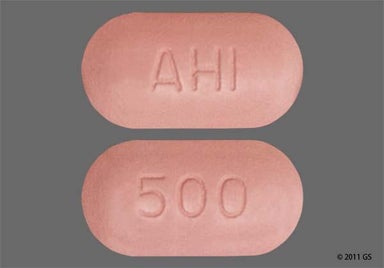
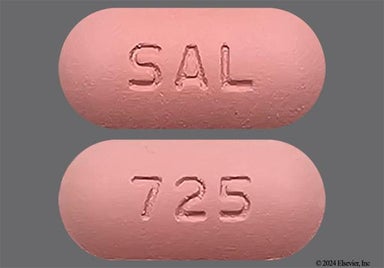
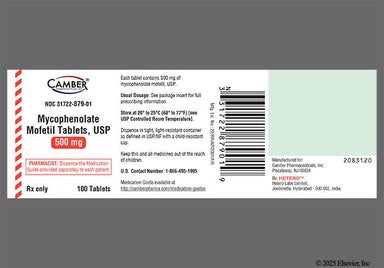
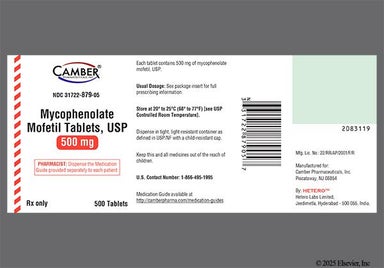
Prescription savings
Stop paying too much for your prescriptions. Compare prices, get pharmacy coupons, and save up to 80%.Resources
About GoodRx
 Find expert answers to your health questions so you can make the best decisions for yourself and your family.
Health conditions
Medications & treatment
Access & affordability
Well-being
Medication discounts

Food can lower the amount of Mycophenolate in your blood. This might put you at risk for transplant rejection because the medication might not work as well. For this reason, you should take Mycophenolate on an empty stomach. But it's possible that your provider might eventually let you start taking the medication with food when your condition becomes stable (e.g., after you've been taking the same dose for a long time). If your provider says that you can take Mycophenolate with food, it's important to be consistent and always take it with food to keep the medication levels in your body consistent (steady).
Yes. There doesn't seem to be an interaction between coffee (or caffeine) and Mycophenolate. Be mindful that drinking too much coffee can cause side effects, like stomach upset, anxiety, and difficulty sleeping.
Hair loss wasn't a reported side effect of Mycophenolate in clinical studies. Speak with your provider if you notice hair loss while you're taking this medication. Your provider can examine you to see whether there's something else causing your hair loss. Sometimes, other anti-rejection medications you might be taking, like tacrolimus (Prograf), can cause hair loss.
Mycophenolate doesn't typically cause liver damage, though there have been rare cases of mild liver damage that went away on its own or with dose adjustments. Additionally, there isn't evidence that Mycophenolate typically causes kidney problems. After your transplant, your provider will likely monitor your kidney and liver function through lab tests.
Yes, it's possible for Mycophenolate to cause anemia (low red blood cell count). Your provider will keep track of your blood cell counts throughout treatment to make sure they don't get too low. If they do, your provider will lower your dose or have you stop taking the medication, depending on how low your blood cell counts get.
Mycophenolate doesn't directly cause changes in weight. But the medication can cause nausea, vomiting, and diarrhea as side effects, which can lead to weight loss in severe cases. It's important to eat a nourishing diet and stay hydrated as much as possible. Talk with your provider if you're having trouble eating or drinking or if you notice unusual weight changes while you're taking this medication.
No, you shouldn't crush Mycophenolate tablets. You also shouldn't crush or open the capsules. Doing so can damage the medication. It can also expose your skin or lungs (through inhalation) to the medication, which can be dangerous. Ask your provider about switching you to the Mycophenolate oral suspension if you're having trouble swallowing the pills.
It's best to avoid alcohol while you're taking Mycophenolate. Both alcohol and Mycophenolate can raise your risk of side effects like sleepiness, dizziness, and stomach upset. Mixing the medication with alcohol can raise your risk for these side effects even more or make them more intense. If avoiding alcohol isn't possible for you, talk to your provider about what's a safe amount to drink while you're taking Mycophenolate.
