


Drugs for Men: A GoodRx Savings Guide to 7 Notable Men’s Health Medications
Viagra and minoxidil are some of the most commonly prescribed medications for men. See the other top drugs for men’s health, from ED treatment to hair loss.
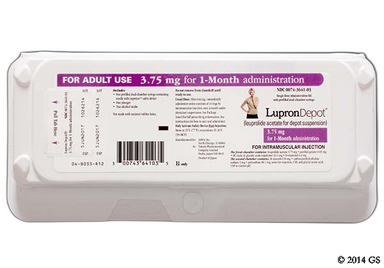
Leuprolide acetate is used to treat advanced prostate cancer. This medication is either injected under the skin or into your muscle. The brand name formulations of leuprolide acetate must be given by a healthcare provider.

Leuprolide acetate is a gonadotropin-releasing hormone (GnRH) agonist, which is a synthetic (lab-made) hormone similar to the GnRH your body naturally makes. Over time, it lowers testosterone levels, which helps slow down the growth of the prostate gland and cancer cells.
| Common Brands | Lupron Depot, Eligard, Camcevi |
|---|---|
| Drug Class | GnRH agonist |
| Controlled Substance Classification | Not a controlled medication |
| Generic Status | No lower-cost generic available |
| Availability | Prescription only |

The following side effects may get better over time as your body gets used to the medication. Let your healthcare provider know immediately if you continue to experience these symptoms or if they worsen over time.
Contact your healthcare provider immediately if you experience any of the following.
Along with its needed effects, a medicine may cause some unwanted effects. Although not all of these side effects may occur, if they do occur they may need medical attention.
Check with your doctor immediately if any of the following side effects occur:
For adults
Less common
Fast or irregular heartbeat
For males only (adults)
More common
Arm, back, or jaw pain
bloody or cloudy urine
blurred vision
chest pain or discomfort
difficult, burning, or painful urination
difficulty with moving
dizziness
frequent urge to urinate
headache
increased urge to urinate during the night
muscle pain or stiffness
nervousness
pain in the joints
pale skin
pounding in the ears
slow or fast heartbeat
sweating
unusual bleeding or bruising
unusual tiredness or weakness
waking to urinate at night
Rare
Pain in the groin or legs (especially in the calves)
Incidence not known
Altered mental status
cold, clammy, pale skin
confusion
double vision
irregular heartbeat
visual changes
vomiting
For females only (adults)
For children
More common
Body aches or pain
chills
cough producing mucus
difficulty in breathing
ear congestion
headache
loss of voice
muscle aches
noisy breathing
pain or redness at the injection site
runny or stuffy nose
tightness in the chest
unusual tiredness or weakness
Less common
Irritability
mood or mental changes
Rare
Burning, itching, or swelling at the injection site
Incidence not known
Seizures
For females only (children)—expected in first few weeks
Some side effects may occur that usually do not need medical attention. These side effects may go away during treatment as your body adjusts to the medicine. Also, your health care professional may be able to tell you about ways to prevent or reduce some of these side effects. Check with your health care professional if any of the following side effects continue or are bothersome or if you have any questions about them:
For adults
More common
Sudden sweating and feeling of warmth (hot flashes)
For females only (adults)
For males only (adults)
More common
Back pain
chills
general feeling of discomfort or illness
loss of appetite
pain or discomfort at the injection site
redness of the face, neck, arms, and occasionally, upper chest
shivering
unusual drowsiness, dullness, tiredness, weakness, or feeling of sluggishness
Less common
Decreased size of the testicles
inability to have or keep an erection
For children
More common
feeling of warmth
redness of the face, neck, arms and occasionally, upper chest
stomach pain
vomiting
Other side effects not listed may also occur in some patients. If you notice any other effects, check with your healthcare professional.
Call your doctor for medical advice about side effects. You may report side effects to the FDA at 1-800-FDA-1088.




Leuprolide acetate can cause some serious health issues. This risk may be even higher for certain groups. If this worries you, talk to your doctor or pharmacist about other options.
Leuprolide acetate is a lab-made medication that works similarly to the gonadotropin-releasing hormone (GnRH) your body naturally makes. Similar to other GnRH medications, leuprolide acetate temporarily causes your testosterone levels to go up when you first start treatment. This can make your prostate cancer symptoms worse, usually during the first few weeks of starting the medication. Your testosterone levels should drop and your symptoms should get better after those first few weeks. Let your provider know if you experience any bone pain, bladder pain, or blood in your urine that doesn't go away in about a month.
Males using leuprolide acetate have reported a rise in their blood sugars. This puts them at greater risk of developing new or worsening diabetes. Your healthcare provider will regularly check your labs to make sure your blood sugar levels and other blood-sugar related lab values are normal.
Although the risk is low, males who use leuprolide acetate might be at risk of having heart problems. These problems can include heart attack, stroke, or sudden cardiac (heart-related) death. Before starting the medication, your provider will check for your risk for heart problems. Get emergency help right away if you experience chest or arm pain, shortness of breath, a cold sweat, weakness on one side of the body, drooping face, bad headache, or trouble walking or speaking. These can be signs of a heart attack or stroke.
Medications similar to leuprolide acetate can also cause irregular heart rhythms. Before starting treatment, let your provider know if you have any conditions causing irregular heart rhythms, heart failure, or electrolyte problems. Your provider will discuss with you about the risks and benefits of taking leuprolide acetate with your condition.
Some people using leuprolide acetate have experienced convulsions or seizures. This is more likely to happen if you've had seizures or strokes in the past or if you take certain mental health medications, such as selective serotonin reuptake inhibitors (SSRIs, like sertraline (Zoloft)) or bupropion (Wellbutrin). If you or a loved one notices that you have signs of a seizure like tight muscles, uncontrollable movements, or painful cramping, call your healthcare provider right away.
There have been a few cases of spinal cord compression, or pressure on the spinal cord, in people taking leuprolide acetate. This can possibly lead to paralysis (not being able to move). Also, some people have gotten a blockage in their urinary tract during treatment. This can lead to kidney damage or urinary problems. These problems might happen during the first few weeks of treatment. Talk to your healthcare provider about your medical history or your concerns about the medication before starting leuprolide acetate.

Lupron Depot: The typical dosing range is 7.5 mg to 45 mg injected into your muscle by a healthcare provider. Depending on the dose, the medication is injected every month, every 3 months, every 4 months, or every 6 months. It's either injected in your shoulder, buttock, or outer thigh muscle.
Eligard: The typical dosing range is 7.5 mg to 45 mg injected under the skin by a healthcare provider. Depending on the dose, the medication is injected every month, every 3 months, every 4 months, or every 6 months. It's usually injected under the skin in your stomach or upper buttock area.
Camcevi: The typical dose is 42 mg injected under the skin every 6 months by a healthcare provider. It's injected under the skin in your stomach.

Although certain medicines should not be used together at all, in other cases two different medicines may be used together even if an interaction might occur. In these cases, your doctor may want to change the dose, or other precautions may be necessary. When you are taking this medicine, it is especially important that your healthcare professional know if you are taking any of the medicines listed below. The following interactions have been selected on the basis of their potential significance and are not necessarily all-inclusive.
Using this medicine with any of the following medicines is not recommended. Your doctor may decide not to treat you with this medication or change some of the other medicines you take.
Using this medicine with any of the following medicines is usually not recommended, but may be required in some cases. If both medicines are prescribed together, your doctor may change the dose or how often you use one or both of the medicines.






Prescription savings
Stop paying too much for your prescriptions. Compare prices, get pharmacy coupons, and save up to 80%. Find expert answers to your health questions so you can make the best decisions for yourself and your family.
Health conditions
Medications & treatment
Access & affordability
Medication discounts

In clinical studies, it took about one month for Lupron Depot to drop testosterone to very low levels.
Lupron Depot isn't a cure for prostate cancer. Instead, it helps slow down the growth of your cancer by lowering your levels of testosterone. Testosterone is a natural hormone that causes your prostate gland and cancer cells to grow.
Lupron Depot can worsen your prostate cancer symptoms when you first start the medication because it can temporarily raise testosterone levels during the first few weeks of treatment. These symptoms can include general pain or weakness, bone pain, blood in your urine, or trouble urinating. After about a month, these symptoms should get better as you continue treatment and Lupron Depot begins lowering your testosterone levels. Talk to your healthcare provider if they don't improve.
Lupron Depot, Eligard, and Camcevi all contain the active ingredient leuprolide to treat advanced prostate cancer. They each must be administered by a healthcare provider. The main difference is how the medication is injected. Lupron Depot is injected into the muscle, whereas Eligard and Camcevi are injected under the skin. Lupron Depot and Eligard are available in multiple strengths and can be given on a 1-, 3-, 4-, or 6-month schedule (depending on the dose). On the other hand, Camcevi is only available in one strength that's given once every 6 months. Discuss with your provider which formulation of Lupron Depot is right for you.
In clinical studies, some males using Lupron Depot had lower bone density after treatment. Having low bone density means that your bones are weaker than usual. This can make it easier for bones to break. Ask your provider about ways to improve your bone health during treatment, such as taking calcium and vitamin D supplements and performing weight-bearing exercises.
