


What is a Beta Blocker? And Other Commonly Asked Questions
We're answering questions about beta blockers — learn what they are, how they work, common side effects, and more.
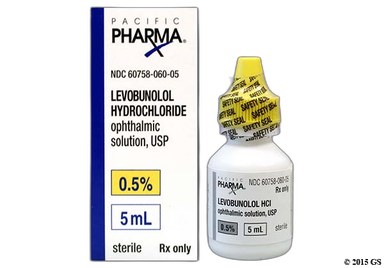
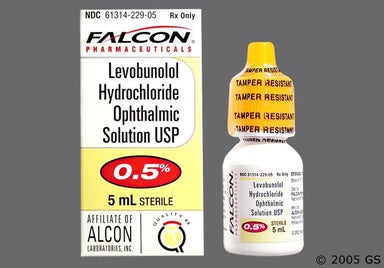
Levobunolol, also known under the brand name Betagan, is an ophthalmic (eye) medication that helps lower the pressure within the eye. It's approved for adults with glaucoma or ocular hypertension (high pressure in the eye). This medication is a beta blocker that helps lower the amount of fluid in the eye. Levobunolol (Betagan) comes as 0.5% eye drops that used once or twice a day. Potential side effects include temporary burning and stinging in the eye.

Levobunolol (Betagan) is a beta blocker. It works by lowering the amount of fluid that's made in the eye. When there's less fluid inside the eye, the eye pressure goes down.
| Common Brands | Betagan |
|---|---|
| Drug Class | Beta blocker |
| Controlled Substance Classification | Not a controlled medication |
| Generic Status | Lower-cost generic available |
| Availability | Prescription only |

The following side effects may get better over time as your body gets used to the medication. Let your healthcare provider know immediately if you continue to experience these symptoms or if they worsen over time.
Contact your healthcare provider immediately if you experience any of the following.
Along with its needed effects, a medicine may cause some unwanted effects. Although not all of these side effects may occur, if they do occur they may need medical attention.
Check with your doctor as soon as possible if any of the following side effects occur:
More common
Redness of eyes or inside of eyelids
Less common or rare
Blurred vision or other change in vision
different size pupils of the eyes
discoloration of the eyeball
droopy upper eyelid
redness or irritation of the tongue
seeing double
swelling, irritation or inflammation of eye or eyelid
Symptoms of too much medicine being absorbed into the body
Ankle, knee, or great toe joint pain
ankle, knee, or great toe joint swelling
anxiety or nervousness
bloody or cloudy urine
breast pain
burning or prickling feeling on body
change in taste
chills
clumsiness or unsteadiness
confusion or mental depression
coughing, wheezing, or troubled breathing
decreased sexual ability
difficult, burning, or painful urination
dizziness or feeling faint
drowsiness
dryness or soreness of throat
ear pain
feeling of constant movement
hallucinations (seeing, hearing, or feeling things that are not there)
headache
hoarseness
irregular, fast, slow, or pounding heartbeat
lightheadedness
lower back or side pain
muscle or joint aches or pain
muscle tightness or stiffness
nausea or vomiting
raw, red, blistering, scaly, or crusted areas of the skin
ringing or buzzing in the ears
runny, stuffy, or bleeding nose
swelling of feet, ankles, or lower legs
trouble in sleeping
unusual tiredness or weakness
Some side effects may occur that usually do not need medical attention. These side effects may go away during treatment as your body adjusts to the medicine. Also, your health care professional may be able to tell you about ways to prevent or reduce some of these side effects. Check with your health care professional if any of the following side effects continue or are bothersome or if you have any questions about them:
More common
Blurred vision, temporary
decreased night vision
stinging of eye or other eye irritation (when medicine is applied)
The side effect of blurred vision is associated primarily with levobetaxolol and the timolol gel-forming solution and usually lasts from thirty seconds to five minutes.
Less common or rare
Acid or sour stomach
belching
browache
crusting of eyelashes
dryness of eye
feeling of something in the eye
increased sensitivity of eye to light
indigestion
itching, stinging, burning, or watering of eye or other eye irritation
pain, redness, warmth, or swelling of muscles
Other side effects not listed may also occur in some patients. If you notice any other effects, check with your healthcare professional.
Call your doctor for medical advice about side effects. You may report side effects to the FDA at 1-800-FDA-1088.




Levobunolol (Betagan) can cause some serious health issues. This risk may be even higher for certain groups. If this worries you, talk to your doctor or pharmacist about other options.
Beta blockers like levobunolol (Betagan) can cause new or worsening heart failure. Talk to your healthcare team right away if you notice swelling in your feet or ankles, if your pulse feels fast or irregular, or if you have shortness of breath when you lie down or exercise. These can be signs of heart failure.
Let your prescriber know if you have any conditions that cause blood circulation problems, such as Raynaud's syndrome or reduced blood flow to the brain. Beta blockers like levobunolol (Betagan) can make your condition worse.
Contact your care team if you have worsening symptoms of your condition while you're using levobunolol (Betagan). Get medical help as soon as possible if you have weakness on one side of the body, changes in speech or vision, confusion, or headache because these can be signs of a stroke or "mini-stroke."
Beta blocker medications like levobunolol (Betagan) aren't recommended for people with lung problems, like asthma and chronic obstructive pulmonary disease (COPD). Beta blockers can cause trouble breathing by making the airways narrower.
To be safe, it's important that your prescriber knows if you have or have ever had any lung conditions before you start using levobunolol (Betagan). Your prescriber can check whether this medication is safe for you. Be sure you have a rescue inhaler like albuterol ready in case you need it if you have lung problems and your prescriber says it's okay for you to use levobunolol (Betagan).
Beta blockers can hide symptoms of low blood sugar, except for sweating and dizziness. People with diabetes might not be able to notice symptoms when their blood sugar drops too low. Although the risk is low, a small amount of levobunolol (Betagan) from the eye drop to get absorbed into the bloodstream and cause this effect. Talk to your primary care provider if you have concerns about using levobunolol (Betagan) if you have diabetes.
Beta blockers can hide signs of hyperthyroidism (high thyroid hormone levels), such as a fast heart rate. This means that people with an overactive thyroid might not be able to recognize worsening symptoms of their thyroid problem. Although uncommon, it's possible for a small amount of levobunolol (Betagan) from the eye drop to get absorbed into the bloodstream and cause this to happen. Make sure your prescriber knows if you have hyperthyroidism before you start levobunolol (Betagan).
Rarely, beta blockers like levobunolol (Betagan) can worsen muscle weakness in people who have myasthenia gravis. Watch out for worsening symptoms if you have myasthenia gravis and let your care team know if this happens to you.
Levobunolol (Betagan) contains a sulfite. People who are sensitive to sulfites can have an allergic reaction, including asthma attack or anaphylaxis (throat closing up and/or dangerously low blood pressure), to the medication. Let your care team know if you're allergic to sulfites because levobunolol (Betagan) might not be the best medication for you.
Get medical attention right away if you notice symptoms of an allergic reaction, such as rash, itching, eye swelling, or difficulty breathing.


Although certain medicines should not be used together at all, in other cases two different medicines may be used together even if an interaction might occur. In these cases, your doctor may want to change the dose, or other precautions may be necessary. When you are taking any of these medicines, it is especially important that your healthcare professional know if you are taking any of the medicines listed below. The following interactions have been selected on the basis of their potential significance and are not necessarily all-inclusive.
Using medicines in this class with any of the following medicines is usually not recommended, but may be required in some cases. If both medicines are prescribed together, your doctor may change the dose or how often you use one or both of the medicines.


Contraindications are specific health conditions or situations in which a person should not take a medication due to safety concerns. If you have any of the following conditions or if any of the following apply to you, let your healthcare provider know because Levobunolol (Betagan) will not be safe for you to take.


Prescription savings
Stop paying too much for your prescriptions. Compare prices, get pharmacy coupons, and save up to 80%. Find expert answers to your health questions so you can make the best decisions for yourself and your family.
Health conditions
Medications & treatment
Access & affordability
Medication discounts

No, Levobunolol isn't discontinued. It's available with a prescription from an eye specialist (optometrist or ophthalmologist).
Levobunolol starts to work to lower eye pressure within 1 hour. But it could take up to 6 hours for its full effect on eye pressure. Keep in mind that you probably won't feel the medication working. You'll need eye exams to see whether it's working for you. Take Levobunolol as prescribed and keep your follow-up appointments with your eye specialist so they can check how well this medication is working.
No, timolol eye drops aren't the same thing as Levobunolol. But the two medications are very similar. They're both beta blockers that are used as eye drops to treat glaucoma and high eye pressure. And they're both generally used once or twice a day. How often you need to use the eye drops depends on how severe your eye condition is. For timolol eye drops, it also depends on the specific formulation of the medication you have. Compare between timolol eye drops and Levobunolol. Speak with your eye specialist about which eye drop is best for you.
No, you don't need to refrigerate Levobunolol. Keep these eye drops at room temperature (59°F to 77°F).
You can use Levobunolol up to the expiration date once the bottle has been opened. You can find the expiration date on the medication box or directly on the eye drop bottle. Once it's past the expiration date, throw the eye drops away, even if there's still medication left inside. Expired eye drops might work less well or get contaminated with germs over time.
It's possible. Levobunolol eye drops mainly work to lower the pressure in the eyes. But a small amount of medication can get absorbed into your bloodstream and lower your blood pressure. Let your prescriber know if you feel dizzy while after you use Levobunolol, if this dizziness bothers you, or if it makes it harder for you to go about your day.
It's possible for Levobunolol to slow down your heart rate. Tell your prescriber if Levobunolol makes you dizzy or tired. This could be a sign of a low heart rate.
