tetracaine
Tetracaine eye drops are used to provide temporary numbing to the eye(s) for certain procedures. It should only be administered by a healthcare provider during the procedure. The dosage is on an "as needed" basis (e.g., how much numbing your provider thinks you need for the procedure). There's currently no brand-name version of this numbing medication available. Tetracaine eye drops can cause eye stinging, burning, or redness, but these side effects only last for a short time.


What is Tetracaine eye drops?
What is Tetracaine eye drops used for?
- Numbing the eye for a procedure or surgery
How Tetracaine eye drops works
Tetracaine is a local anesthetic. It numbs the eye before procedures or surgery.
Drug facts
| Common Brands | Altacaine |
|---|---|
| Drug Class | Local anesthetic |
| Controlled Substance Classification | Not a controlled medication |
| Generic Status | No lower-cost generic available |
| Availability | Prescription only |

Side effects of Tetracaine eye drops
The following side effects may get better over time as your body gets used to the medication. Let your healthcare provider know immediately if you continue to experience these symptoms or if they worsen over time.
Common Side Effects
- Temporary eye stinging
- Temporary eye burning
- Temporary eye redness
Less Common Side Effects
- Eye irritation
- Eye discomfort
The following Tetracaine eye drops side effects have also been reported
Along with its needed effects, a medicine may cause some unwanted effects. Although not all of these side effects may occur, if they do occur they may need medical attention.
Check with your doctor or nurse immediately if any of the following side effects occur:
Rare
Blurred vision
redness of the clear part of the eye
sensitivity to light
severe stinging in the eye
tearing
throbbing eye pain
Incidence not known
Bloody eye
burning, stinging, itching, redness, or irritation of the eye
change in vision
Other side effects not listed may also occur in some patients. If you notice any other effects, check with your healthcare professional.
Call your doctor for medical advice about side effects. You may report side effects to the FDA at 1-800-FDA-1088.

Pros and cons of Tetracaine eye drops
Pros
- Starts working within 10 to 20 seconds
- Side effects are temporary
Cons
- Numbness effect can cause accidental eye injury since you won't feel anything
- You might need repeated doses since effects wear off after 10 to 20 minutes

Pharmacist tips for Tetracaine eye drops

- Avoid touching, rubbing, or poking around your eyes after receiving these drops because you might accidentally injure them. Tetracaine eye drops will make your eyes numb, so avoid accidental injury until the numbing effects wear off.
- If you received several doses of tetracaine eye drops, the effects might last longer than 20 minutes. Check with your provider about when you're safe to touch your eyes after your procedure.
- Your provider will take care that the tip of the medication bottle doesn't touch your eye or any other surface, because this can spread germs.

Risks and warnings for Tetracaine eye drops
Tetracaine eye drops can cause some serious health issues. This risk may be even higher for certain groups. If this worries you, talk to your doctor or pharmacist about other options.
Not for injection
Tetracaine eye drops is an eye drop medication and shouldn't be injected.
Not for self-use
Tetracaine eye drops isn't meant for you to use on your own; it must be administered by a healthcare provider. This is to help make sure the medication is used properly and that there's no accidental injury to your eye(s).
Risk of eye injury
Don't touch your eyes for at least 10 to 20 minutes after your provider has placed the tetracaine eye drops. Because this medication numbs your eyes, you're at a high risk for accidental injuries because your eyes won't be as sensitive to irritations.
Not for long-term use
Long-term use of anesthetic eye drops like tetracaine eye drops can cause eye damage and vision loss. Your provider will only use this for procedures or surgeries, and won't use it long term.
Contamination (spreading germs and bacteria)
Bacterial contamination of eye drops can lead to eye infections. Never touch the tip of the container with your eye, hands, or any other surface.

Tetracaine eye drops dosage
Typical dosage for Tetracaine eye drops
The typical dose is one drop in the eye(s) as needed to numb the eye for a procedure or surgery.

Interactions between Tetracaine eye drops and other drugs
Although certain medicines should not be used together at all, in other cases two different medicines may be used together even if an interaction might occur. In these cases, your doctor may want to change the dose, or other precautions may be necessary. When you are receiving this medicine, it is especially important that your healthcare professional know if you are taking any of the medicines listed below. The following interactions have been selected on the basis of their potential significance and are not necessarily all-inclusive.
Using this medicine with any of the following medicines is usually not recommended, but may be required in some cases. If both medicines are prescribed together, your doctor may change the dose or how often you use one or both of the medicines.
- Bupivacaine
- Hyaluronidase
- St John's Wort

What are alternatives to Tetracaine eye drops?

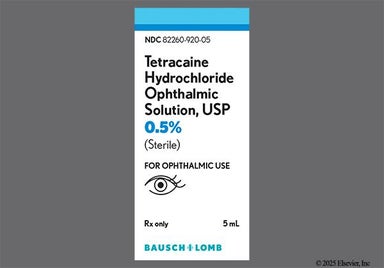
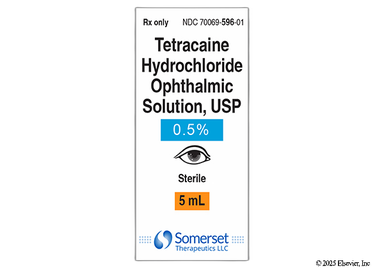
Tetracaine eye drops images