


Which Allergy Eye Drops Are Best for Red, Itchy Eyes and Allergic Conjunctivitis?
Allergic conjunctivitis is the medical term for red, itchy eyes caused by allergies. Learn more about the many different types of eye drops for allergies.
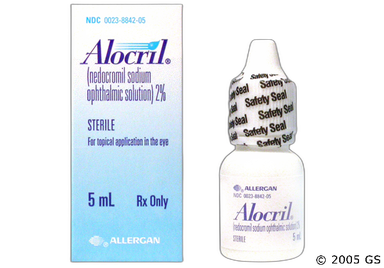
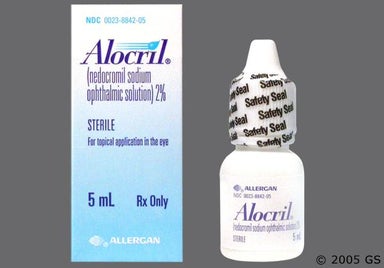
Alocril (nedocromil) is an eye drop for eye-related allergy symptoms, such as itchiness or watery eyes. Typically, you place 1 to 2 drops into your eyes twice daily. But it's not a first-choice option for allergy symptoms. Some common side effects of this medication include headaches and eye irritation.

Alocril (nedocromil) is a mast cell stabilizer. It works by stopping the cells in your eye from releasing chemicals that cause allergic symptoms, like itchy and red eyes.
| Common Brands | Alocril |
|---|---|
| Drug Class | Mast cell stabilizer |
| Controlled Substance Classification | Not a controlled medication |
| Generic Status | No lower-cost generic available |
| Availability | Prescription only |

The following side effects may get better over time as your body gets used to the medication. Let your healthcare provider know immediately if you continue to experience these symptoms or if they worsen over time.
Some side effects may occur that usually do not need medical attention. These side effects may go away during treatment as your body adjusts to the medicine. Also, your health care professional may be able to tell you about ways to prevent or reduce some of these side effects. Check with your health care professional if any of the following side effects continue or are bothersome or if you have any questions about them:
More common
Blurred vision
change in color vision
difficulty breathing
noisy breathing
shortness of breath, tightness in chest, or wheezing
difficulty seeing at night
dry or itching eyes
headache
increased sensitivity of eyes to sunlight
redness, pain, or swelling of eye, eyelid, or inner lining of the eye
runny or stuffy nose
stinging, irritation or burning of your eyes
unpleasant taste
unusual watering of eyes or discharge
Other side effects not listed may also occur in some patients. If you notice any other effects, check with your healthcare professional.
Call your doctor for medical advice about side effects. You may report side effects to the FDA at 1-800-FDA-1088.




Alocril (nedocromil) can cause some serious health issues. This risk may be even higher for certain groups. If this worries you, talk to your doctor or pharmacist about other options.
Don't touch the Alocril (nedocromil) dropper tip with your eye, hands, or any other surface. Close the bottle after each dose. This will help you avoid eye infections by preventing germs from spreading to the solution.
Don't wear contacts while you're taking Alocril (nedocromil). The medication contains a preservative that might affect your lenses. If you're having eye allergies, it's best to not wear contact lenses until the allergies are gone.

 Eye dropper
| Dosage | Quantity | Price as low as | Price per unit |
|---|---|---|---|
| 5ml of 2% | 1 eye dropper | $221.78 | $221.78 |

Although certain medicines should not be used together at all, in other cases two different medicines may be used together even if an interaction might occur. In these cases, your doctor may want to change the dose, or other precautions may be necessary. Tell your healthcare professional if you are taking any other prescription or nonprescription (over-the-counter [OTC]) medicine.


Prescription savings
Stop paying too much for your prescriptions. Compare prices, get pharmacy coupons, and save up to 80%. Find expert answers to your health questions so you can make the best decisions for yourself and your family.
Health conditions
Medications & treatment
Access & affordability
Medication discounts

It depends. Alocril is actually not a first-choice option for eye allergies. For the occasional eye allergy, over-the-counter (OTC) antihistamine eye drops, such as olopatadine (Pataday), are considered first-choice treatment options. But for eye allergies that keeps coming back or aren't relieved by OTC eye drops, your provider might prescribe a mast cell stabilizer, like Alocril.
Continue using Alocril until you're no longer exposed to the substance that's causing your allergies, even if your symptoms get better. For example, if your allergies are due to pollen, you should keep using it until pollen season is over. Alocril works best if you use it regularly. Talk to your provider if you're unsure of the cause of your eye allergies.
Only take Alocril twice daily, using 1 or 2 drops per dose in each affected eye. Don't take more Alocril than recommended. If you need more relief for your allergy symptoms, speak to your provider.
