





Can You Get the Flu Shot While Pregnant?
Yes, the flu shot is safe while pregnant and highly recommended. Learn how it protects both you and your baby, along with important safety guidelines to follow.
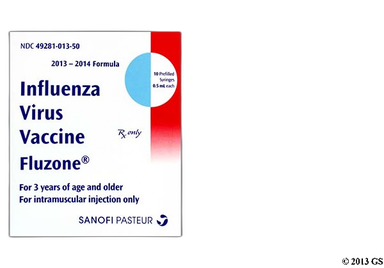
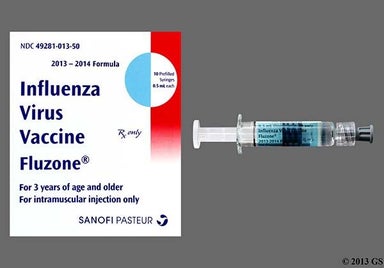
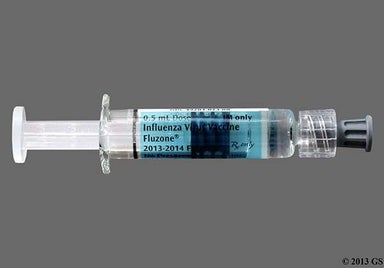
The flu vaccine helps lower your risk of getting the flu from the influenza virus. There are many types of flu shots for adults and children that are given into the muscle. This includes standard flu shots (like Fluarix), as well as high-dose flu shots for older adults (like Fluzone High-Dose). There are also egg-free flu shots (like Flucelvax). Most people should get a flu vaccine every year. How well the flu vaccines work can change each year since the virus changes over time. Side effects include headache, muscle aches, and pain where you got the injection.

The flu vaccine helps protect you from getting the flu (influenza). In recent years, flu vaccines have protected against three strains of the influenza virus. This makes it "trivalent."
There are different kinds of flu vaccines. Some are inactivated vaccines, which are made from a dead version of the virus. Others are recombinant vaccines, which are made from a flu virus created in a lab.
Both types help your immune system make antibodies. These antibodies help your body fight the flu virus if you get infected.
| Common Brands | Fluzone, Flucelvax, Fluarix, Flublok, Afluria, Fluad, FluLaval |
|---|---|
| Drug Class | Vaccine |
| Controlled Substance Classification | Not a controlled medication |
| Generic Status | No lower-cost generic available |
| Availability | Prescription only |

The following side effects may get better over time as your body gets used to the medication. Let your healthcare provider know immediately if you continue to experience these symptoms or if they worsen over time.
Note: Side effects can differ depending on which type of flu vaccine you received and your age.
Contact your healthcare provider immediately if you experience any of the following.
In 1976, a number of people who received the “swine flu” influenza vaccine developed Guillain-Barré syndrome (GBS), which is a disease that may cause paralysis. Most of these people were over 25 years of age. Although only 10 out of every one million people who received the vaccine actually developed GBS, this number was 6 times higher than would normally have been expected. Most of the people who got GBS recovered completely.
It is assumed that the “swine flu” virus included in the 1976 vaccine caused the problem, but this has not been proven. Since that time, studies have shown that the risk of acquiring GBS from an influenza vaccine is very low (one out of every million people).
Along with its needed effects, a medicine may cause some unwanted effects. Although not all of these side effects may occur, if they do occur they may need medical attention.
Check with your doctor or nurse immediately if any of the following side effects occur:
More common
Bruising, hard lump, redness, or pain at the injection site
headache
irritability
large, flat, blue or purplish patches in the skin
loss of appetite
muscle aches
redness of the eyes
stuffy or runny nose
vomiting
Less common
Body aches or pain
chills
difficulty with breathing
ear congestion
loss of voice
shivering
swelling or puffiness of the face
tightness in the chest
unusual tiredness or weakness
Rare
Difficulty with swallowing
dizziness
fast heartbeat
large, hive-like swelling on the face, eyelids, lips, tongue, throat, hands, legs, feet, or genitals
noisy breathing
puffiness or swelling of the eyelids or around the eyes, lips, or tongue
Incidence not known
Agitation
back pain, sudden and severe
back, leg, or stomach pains
blistering, peeling, or loosening of the skin
burning, crawling, itching, numbness, prickling, "pins and needles", or tingling feelings
burning, dry, or itching eyes
clumsiness or unsteadiness
confusion
drowsiness
dryness of the throat
fainting
feeling hot
increased sensitivity of the eyes to sunlight
inflammation, rash, swelling, or tenderness at the injection site
lightheadedness
nosebleeds
pain, redness, soreness, swelling, tenderness, or warmth on the skin
pinpoint red spots on the skin
redness of the face, neck, arms, and occasionally, upper chest
sensation of spinning
shakiness in the legs, arms, hands, or feet
sores, ulcers, or white spots in the mouth or on the lips
sores, welts, or blisters
stomach pain, soreness, or discomfort
sweating
trouble sleeping
unusual bleeding or bruising
voice changes
weakness of the muscles in your face
yellowing of the eyes or skin
Some side effects may occur that usually do not need medical attention. These side effects may go away during treatment as your body adjusts to the medicine. Also, your health care professional may be able to tell you about ways to prevent or reduce some of these side effects. Check with your health care professional if any of the following side effects continue or are bothersome or if you have any questions about them:
Incidence not known
Sleepiness or unusual drowsiness
Other side effects not listed may also occur in some patients. If you notice any other effects, check with your healthcare professional.
Call your doctor for medical advice about side effects. You may report side effects to the FDA at 1-800-FDA-1088.




Flu vaccine can cause some serious health issues. This risk may be even higher for certain groups. If this worries you, talk to your doctor or pharmacist about other options.
It's possible to have an allergic reaction to the flu vaccine. This can include hives or a rash. In rare cases, a serious allergic reaction called an anaphylaxis can happen. Signs can include swelling of the lips or tongue, tightness in the throat, and trouble breathing. Call 911 right away if you have signs of an allergic reaction after getting a flu vaccine.
Tell the healthcare professional if you've ever had an allergic reaction to a flu vaccine. They can help decide if you should get the vaccine.
Also let the healthcare professional know if you're allergic to eggs or egg proteins. Some flu vaccines, like Fluzone, Fluarix, and Afluria, are made using chicken eggs and might have a small amount of egg protein. The risk of a reaction is very low. Even still, the healthcare professional can make sure the flu vaccine is safe for you.
Some people have fainted after receiving injectable vaccines, like the flu vaccine. Signs that you might faint are blurry vision, lightheadedness, nausea, sweating, or pale skin. Tell the healthcare professional if you've fainted after getting vaccines so they can watch you closely.
Although rare, some people have developed Guillain-Barré syndrome (GBS) after getting a flu vaccine. It's not clear if the vaccine caused this. GBS is a rare illness that can cause muscle weakness, tingling, and pain. Most people get better within a few weeks. But some people can have long-lasting nerve problems, sometimes even paralysis.
If you've had GBS before, especially within 6 weeks after getting a vaccine, talk to your healthcare professional before getting a flu vaccine.
If you have a weak immune system, the flu vaccine might not produce as strong an immune response. This means you might have less protection against the flu after vaccination.
Before getting a flu vaccine, tell your primary care provider or a healthcare professional about all your health problems and medications. Some conditions, like HIV or cancer, can weaken your immune system. Some medications can also weaken it. This includes high-dose steroids and transplant medications. If this applies to you, talk to your care team about extra ways to protect yourself from the flu.
It's very rare, but some studies suggest that children ages 6 months to 4 years might have a higher risk of seizures caused by fever during the first day after getting a flu vaccine. Watch your child closely if they have a fever of 102°F or higher.
Get medical help right away if your child has a seizure. Watch for stiffening, shaking, or twitching of the body that lasts 1 to 2 minutes.
Talk with your child’s healthcare professional if you have concerns about this risk.


Although certain medicines should not be used together at all, in other cases two different medicines may be used together even if an interaction might occur. In these cases, your doctor may want to change the dose, or other precautions may be necessary. When you are receiving this vaccine, it is especially important that your healthcare professional know if you are taking any of the medicines listed below. The following interactions have been selected on the basis of their potential significance and are not necessarily all-inclusive.
Receiving this vaccine with any of the following medicines may cause an increased risk of certain side effects, but using both drugs may be the best treatment for you. If both medicines are prescribed together, your doctor may change the dose or how often you use one or both of the medicines.


Contraindications are specific health conditions or situations in which a person should not take a medication due to safety concerns. If you have any of the following conditions or if any of the following apply to you, let your healthcare provider know because Flu vaccine will not be safe for you to take.












Prescription savings
Stop paying too much for your prescriptions. Compare prices, get pharmacy coupons, and save up to 80%. Find expert answers to your health questions so you can make the best decisions for yourself and your family.
Health conditions
Medications & treatment
Access & affordability
Medication discounts


You can't get the flu from the flu vaccine that's given into the muscle. These vaccines are made with dead or lab-made versions of the virus that can't cause infection. But some people might feel sick and have flu-like symptoms after getting the vaccine. Headache and body aches can be side effects from the flu vaccine, not an actual illness. If they're side effects, they usually get better in a couple of days. Another possibility is that you did catch the flu, but not because of the vaccine. This can happen before your body has had enough time to build full protection after you get the flu vaccine. Full protection typically takes about 2 weeks to build up. Or, you could've gotten sick from some other germ that causes similar symptoms as the flu.
The best time to get the flu vaccine is usually in September or October, right before flu season starts. Flu season is often from October to May, peaking between December and February. Getting the vaccine right before flu season can help give you the best protection when you need it most. Sometimes, your health conditions or other vaccines you recently got can affect when you should get a flu vaccine. It might also be a little different for young children getting the flu vaccine for the first time. Talk to your primary care provider or pharmacist if you're not sure when to get it.
Yes, there are many flu vaccine options for people 65 years and older. Older adults can get any of the injectable flu vaccines. But the CDC recommends certain ones — Fluzone High-Dose (the “high-dose flu shot”), Fluad, and Flublok. This is because they give better protection against the flu for seniors. It's important for older adults to get the flu vaccine every year because they have a higher risk of severe health problems from the flu. The vaccine can help protect them from getting very sick. Note that FluMist, the nasal spray flu vaccine, isn't approved or recommended for older adults.
The injectable flu vaccines are safe to get if you're pregnant. In fact, health experts recommend the flu shot for people who are pregnant. This is because getting sick with the flu while pregnant can be dangerous to both you and your baby. So, it's important to get protection from the flu. Be sure to not to get FluMist, the nasal spray flu vaccine, since experts don't clearly know how it affects the pregnancy. Before getting the flu vaccine, make sure your primary care provider or pharmacist knows you're pregnant so they can choose a safe option for you.
It takes about 2 weeks after getting the flu vaccine for your body to build protection against the flu. Because of this, it's usually best to get the vaccine by the end of October each year. This helps make sure you're protected during flu season.
The flu vaccine can help protect you from the flu for at least 5 to 6 months. Keep in mind that protection slowly fades as time goes on. The flu virus changes year to year. So, the vaccine is updated every year to try to give the best protection possible for each flu season. That's why it's recommended to get a new flu vaccine every year.
Yes, there are some flu vaccines that aren't made using eggs. These are Flucelvax (for people 6 months and up) and Flublok (for people 9 years and up). Many other flu vaccines are made using chicken eggs. In the past, people with egg allergies were recommended to avoid these egg-based flu vaccines. But studies have shown that most people with egg allergies don't have a reaction to flu vaccines. Today, most health experts say that people with egg allergies can safely get any of the flu shots each year. Before getting the flu vaccine, it's still a good idea to let the healthcare professional know if you have an egg allergy. They can make sure to monitor you for symptoms of an allergic reaction.
Yes. It's safe to get the flu vaccine and the COVID-19 vaccine at the same time, if you'd like. The two vaccines don't interfere how the other works. And getting them at the same time can help save you time. Instead of two separate vaccine appointments, you can get them both in one.
