


Why Are Certain Medications Dispensed in Their Original Containers?
When you pick up your medications at the pharmacy you may notice that they are typically dispensed in amber colored vials or plastic containers. You may
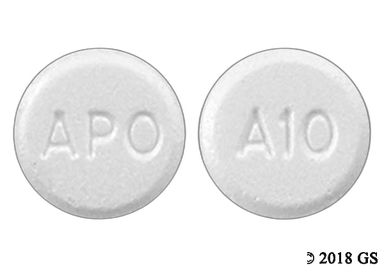
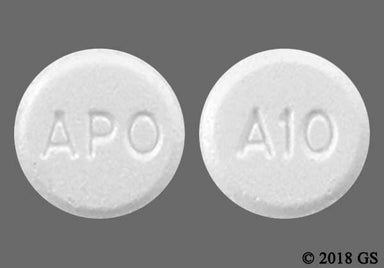
Adefovir (Hepsera) is an antiviral medication that's used for the treatment of hepatitis B in people age 12 and older. It's not a first-choice treatment option because the virus can become resistant to adefovir (Hepsera), meaning the medication might stop working well over time. Adefovir (Hepsera) is available as a brand-name and generic tablet that's typically taken once daily. Some side effects of the medication can include weakness, headache, and stomach pain.

Adefovir (Hepsera) is a type of antiviral medication called a nucleoside reverse transcriptase inhibitor (NRTI). It works by inserting itself into the hepatitis B virus's DNA. This blocks the virus from making copies of itself.
| Common Brands | Hepsera |
|---|---|
| Drug Class | Antiviral |
| Controlled Substance Classification | Not a controlled medication |
| Generic Status | Lower-cost generic available |
| Availability | Prescription only |

The following side effects may get better over time as your body gets used to the medication. Let your healthcare provider know immediately if you continue to experience these symptoms or if they worsen over time.
Contact your healthcare provider immediately if you experience any of the following.
Along with its needed effects, a medicine may cause some unwanted effects. Although not all of these side effects may occur, if they do occur they may need medical attention.
Check with your doctor immediately if any of the following side effects occur:
More common
Dark urine
general tiredness and weakness
light-colored stools
upper right abdomen or stomach pain
yellow eyes and skin
Less common
Blood in the urine
change in frequency of urination or amount of urine
difficult breathing
drowsiness
increased thirst
loss of appetite
swelling of the feet or lower legs
weakness
Rare
Fast, shallow breathing
general feeling of discomfort
muscle pain or cramping
shortness of breath
sleepiness
unusual tiredness or weakness
Incidence not known
bone fractures, especially of the thigh bone
bone pain
chills
cloudy urine
convulsions
darkened urine
decreased frequency or amount of urine
fast heartbeat
increase in the amount of urine
increased blood pressure
indigestion
lower back or side pain
muscular pain, tenderness, wasting, or weakness
pains in the stomach, side, or abdomen, possibly radiating to the back
swelling of the face, fingers, or lower legs
Some side effects may occur that usually do not need medical attention. These side effects may go away during treatment as your body adjusts to the medicine. Also, your health care professional may be able to tell you about ways to prevent or reduce some of these side effects. Check with your health care professional if any of the following side effects continue or are bothersome or if you have any questions about them:
Other side effects not listed may also occur in some patients. If you notice any other effects, check with your healthcare professional.
Call your doctor for medical advice about side effects. You may report side effects to the FDA at 1-800-FDA-1088.




Adefovir (Hepsera) can cause some serious health issues. This risk may be even higher for certain groups. If this worries you, talk to your doctor or pharmacist about other options.
 Don't stop taking adefovir (Hepsera) unless instructed by your healthcare provider. Your hepatitis B infection could come back and get worse if you stop your treatment. If you have severe liver damage, your liver problem could get worse as well. If you're instructed to stop adefovir (Hepsera) or switch to a different antiviral medication, make sure you get your blood tests done regularly, especially during the first 3 months after stopping. This is how your provider will check your liver health and HBV infection.
Your provider will test you for HIV before you start adefovir (Hepsera) and continuously while you're taking the medication. Adefovir (Hepsera) is only FDA approved to treat HBV and isn't typically used for HIV treatment. Having undiagnosed or untreated HIV while taking HBV treatment, such as adefovir (Hepsera), can cause HIV drug resistance and make the HIV infection harder to treat. If you happen to have HIV and hepatitis B, your provider will recommend a medication regimen that works well to treat both infections.
Adefovir (Hepsera) can damage your kidneys if you take the medication for a long time. Your risk is higher if you have poor kidney function or are taking other medications that can harm the kidneys. Your provider will order blood tests regularly to check your kidney function and will change your dose if needed.
Although rare, NRTIs including adefovir (Hepsera) can cause life-threatening problems like lactic acidosis (too much lactic acid in the blood) and fatty liver disease. Most cases of these problems have happened in women. Risk factors can also include obesity and long-term NRTI use. Symptoms of lactic acidosis include extreme tiredness, sudden weakness, and fast and shallow breathing, while symptoms of fatty liver disease can include stomach pain. Stop taking adefovir (Hepsera) and get medical help right away if this happens.

 Bottle
| Dosage | Quantity | Price as low as | Price per unit |
|---|---|---|---|
| 30 tablets of 10mg | 3 bottles | $759.30 | $253.10 |
The typical dose is 10 mg by mouth once a day with or without food. Your dose might differ if you have kidney problems.

Although certain medicines should not be used together at all, in other cases two different medicines may be used together even if an interaction might occur. In these cases, your doctor may want to change the dose, or other precautions may be necessary. Tell your healthcare professional if you are taking any other prescription or nonprescription (over-the-counter [OTC]) medicine.


Prescription savings
Stop paying too much for your prescriptions. Compare prices, get pharmacy coupons, and save up to 80%. Find expert answers to your health questions so you can make the best decisions for yourself and your family.
Health conditions
Medications & treatment
Access & affordability
 Our monthly healthcare membership can help you save thousands on your prescription costs.
Resources

No, there are currently no antiviral treatment options that can cure hepatitis B. However, treatment like Adefovir can help control the virus in the body and lower the risk of serious liver damage.
You should continue to take Adefovir for as long as your provider instructs you to. It isn't known what the ideal amount of time you should take the medication for your HBV infection is. But many people have taken Adefovir for several years without serious problems. Make sure to get your blood tests done on time when your provider orders them. Some blood tests allow your provider to see how well Adefovir is working to stop the hepatitis B virus from growing and to check your liver. Other blood tests help your provider check your kidney health to make sure the medication is safe for you. Discuss with your provider about how long you'll need to take Adefovir.
There's no particular right time to take Adefovir. The most important thing is that you choose a time that works well for you when you can take the medication at the same time every day. This helps make sure you don't miss any doses. Missing doses can cause the virus to become resistant to the medication, which can make the virus harder to treat.
It's unknown if alcohol directly interacts with Adefovir. However, it's best to avoid alcohol if you have hepatitis B to protect your liver.
At first, Adefovir works well to treat your hepatitis B infection. But as you continue to take the medication long term, there's a high likelihood that the virus can become resistant to Adefovir. This resistance can happen when the virus changes form in a way that makes the medication not work well anymore. Then, the hepatitis B virus can continue to grow and possibly become harder to treat. Adefovir isn't a preferred treatment option for hepatitis B because there are better antiviral options available that work well to control the virus long term and have low risk of resistance (e.g., entecavir, tenofovir). Speak with your provider about the best hepatitis B treatment for you.
