Key takeaways:
Actonel (risedronate) is a bisphosphonate medication that treats osteoporosis. Common Actonel side effects include bone, muscle, and joint pain as well as upset stomach.
In rare cases, Actonel can cause ulcers in your stomach or esophagus. Taking it properly can help prevent ulcers from happening. So be sure to follow your healthcare team’s instructions closely. Other rare Actonel side effects include jawbone and eye problems.
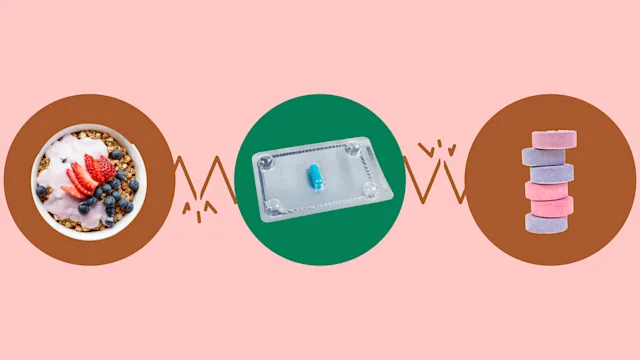
Actonel can lead to low calcium levels, so it’s a good idea to add foods rich in calcium and vitamin D to your diet. Your prescriber will let you know if you need a calcium supplement.
Save on related medications
Actonel (risedronate) is an oral bisphosphonate medication. It’s used to treat osteoporosis (low bone density) and other bone-related conditions.
Actonel helps reduce the risk of broken bones, especially in the spine and hip. But like any medication, it can also cause side effects. Knowing what Actonel side effects to expect can help you get the most from your medication.
Actonel side effects at a glance
Below is a list of common and rare Actonel side effects reported in clinical studies. You may experience side effects not listed here. Talk to your prescriber about any new side effects you experience after starting the medication.
Common Actonel side effects include:
Bone, muscle, and joint pain
Stomach pain
Nausea
Heartburn
Dizziness
Low calcium levels
Serious but rare Actonel side effects include:
Trouble swallowing
Esophageal ulcers
Stomach ulcers
Jawbone problems
Eye inflammation
Increased risk of certain leg fractures


Let’s take a closer look at six Actonel side effects and how to manage them.
1. Bone, muscle, and joint pain
One of the most common Actonel side effects is bone, muscle, and joint pain. All bisphosphonates can cause this side effect. Back, chest, and neck pain seem to be more common than pain in other areas. Pain can appear soon after starting Actonel or even after you’ve been taking it for years. And it’s not clear exactly why it happens.
In most cases, pain caused by Actonel is mild. Regular exercise can help keep your muscles and bones strong and may help manage pain. If needed, an over-the-counter pain reliever, such as acetaminophen (Tylenol), may also help. Just check with your prescriber to make sure you’re choosing a safe option.
Let your prescriber know if pain is severe or worsens. In most cases, it will go away once you stop taking Actonel. But you shouldn’t stop taking it without your prescriber’s OK.
Good to know: In rare cases, Actonel can raise the risk for certain femur (leg bone) fractures. Many people describe pain from a broken bone as a dull or throbbing pain. It can also cause swelling, bruising, and numbness in your leg or foot. Seek medical care right away if these symptoms appear.
2. Upset stomach
Actonel can irritate the lining of your stomach, which may lead to heartburn and/or stomach pain. Constipation or diarrhea are also possible, but they’re less common.
Unlike other medications, you shouldn’t take Actonel with food or antacids to help manage these side effects. Instead, it’s best to take Actonel first thing in the morning on an empty stomach (at least 30 minutes before eating or taking any other medications or supplements). You should drink a full, 6 oz to 8 oz glass of water with your pill to help protect your throat and stomach. You should also remain upright (sitting or standing) for at least 30 minutes after taking the medication to help prevent heartburn.

Comparing osteoporosis medications: Consider these factors when choosing the right osteoporosis medication for you.
Foods to avoid: Your diet can contribute to bone density loss. Here’s a list of foods to avoid or limit if you have osteoporosis.
Actonel interactions: Learn which medications can interact with Actonel so you can avoid unwanted issues.
These steps may seem like a lot, but they help ensure you absorb Actonel properly. They also help protect your throat and stomach from damage — more on that later.
Talk to your prescriber if you get an upset stomach that doesn’t go away or worsens. They can check to make sure there isn’t a more serious cause and provide steps to help manage it or change your medication if needed.
3. Low calcium levels
Actonel and other bisphosphonates keep your bones strong by helping them hold on to calcium. But this means that less calcium is released into your bloodstream, which can lead to lower calcium levels.
To prevent low calcium levels, it’s a good idea to include foods rich in calcium and vitamin D in your diet, such as:
Dairy products (milk, cheese, yogurt)
Cruciferous vegetables, such as cabbage, broccoli, and kale
Your prescriber may also recommend calcium and vitamin D supplements if your levels are low. But it’s best to check with them before starting a calcium supplement on your own. You’ll also need to make sure you’re taking Actonel at least 30 minutes before any food or supplements that contain calcium, as they can prevent your body from absorbing it properly.
4. Stomach and esophageal ulcers
Ulcers of the stomach and esophagus are rare but possible Actonel side effects. Your esophagus is the tube that connects your mouth to your stomach. Symptoms of an esophageal ulcer include a burning sensation in your chest and trouble swallowing. Stomach pain that gets better or worse after eating is a common symptom of a stomach ulcer. If an ulcer is bleeding, you may also notice black, tarry stools.
You can lower your risk for ulcers by taking Actonel as directed with a full glass of water and staying upright for at least 30 minutes afterward. If you notice signs or symptoms of an ulcer, contact your prescriber. If you start vomiting blood or notice blood in your stool, seek emergency medical care.
5. Jawbone problems
Bisphosphonates such as Actonel carry a risk of causing osteonecrosis of the jawbone. This happens when the tissue in your jawbone starts to break down. It’s a very rare side effect, and it may make some people hesitant to take Actonel. But keep in mind that the risk of a broken bone caused by osteoporosis is much greater than the risk of this side effect.
Symptoms of this side effect include jaw pain, swelling, and bad breath. It may feel like a cavity or tooth-related problem at first. You’re at an increased risk of jaw osteonecrosis if you:
Practice poor oral health
Have invasive dental procedures, such as a root canal or tooth extraction
Wear dentures
Take other medications that can weaken your bones, such as chemotherapy or corticosteroids
Take a high Actonel dosage for a long period of time
Maintaining good oral health, including regular dental checkups, is key to lowering your risk for jawbone problems. Your prescriber may also recommend a medication holiday — stopping Actonel treatment for a while after you’ve been taking it for 3 to 5 years. This may help reduce the risk of serious side effects. If you notice jaw pain or swelling while taking Actonel, let your prescriber know right away.
6. Eye problems
Another rare but serious Actonel side effect is inflammation (swelling) of the eye. In most cases, you’ll notice eye problems within a few weeks of starting Actonel. Symptoms can include eye pain, redness, and blurry vision. Your eyes may also be more sensitive to light.
Contact your prescriber right away if you have any eye or vision-related symptoms after starting Actonel. In most cases, you’ll need to stop taking Actonel and switch to a different osteoporosis treatment.
Does Actonel cause weight gain?
No, weight gain hasn’t been a reported side effect of Actonel in clinical studies. But some people may reduce their activity level after an osteoporosis diagnosis out of fear of falls or broken bones. This reduced activity can lead to weight gain in some cases.
Keep in mind that regular exercise, especially weight-bearing exercise, can not only help you manage your weight but also help keep your bones strong. Talk to your healthcare team about tips for exercising safely while taking Actonel. They can also provide tips for managing your weight, if needed.
The bottom line
Actonel (risedronate) is an oral bisphosphonate medication that treats osteoporosis. The most common Actonel side effects include an upset stomach and bone, joint, or muscle pain. Low calcium levels are also possible. Your prescriber may recommend a calcium and vitamin D supplement while you’re taking Actonel.
In rare cases, Actonel may cause ulcers in your stomach or throat. Taking it correctly can prevent ulcers from happening. Other rare but serious Actonel side effects include jawbone problems and eye inflammation. Contact your prescriber right away if signs of a serious side effect occur. Seek emergency care for life-threatening symptoms.

Why trust our experts?




References
American Dental Association. (2023). Osteoporosis medications and medication-related osteonecrosis of the jaw.
Apotex. (2024). Risedronate sodium- risedronate sodium tablet, film coated [package insert].
Ataalla, B., et al. (2022). PSAT188 keeping an eye on bisphosphonates: Drug induced uveitis. Journal of the Endocrine Society.
Brown, J. P., et al. (2014). Bisphosphonates for treatment of osteoporosis: Expected benefits, potential harms, and drug holidays. Canadian Family Physician.
Ganesan, K., et al. (2023). Bisphosphonate. StatPearls.
Gupta, M., et al. (2023). Bisphosphonate related jaw osteonecrosis. StatPearls.
Hayes, K. N., et al. (2021). Duration of bisphosphonate drug holidays in osteoporosis patients: A narrative review of the evidence and considerations for decision-making. Journal of Clinical Medicine.
Kennel, K. A., et al. (2009). Adverse effects of bisphosphonates: Implications for osteoporosis management. Mayo Clinic Proceedings.
MedlinePlus. (2024). Broken bone.
National Eye Institute. (2023). Uveitis. National Institutes of Health.
Silverman, S., et al. (2018). Bisphosphonate-related atypical femoral fracture: Managing a rare but serious complication. Cleveland Clinic Journal of Medicine.