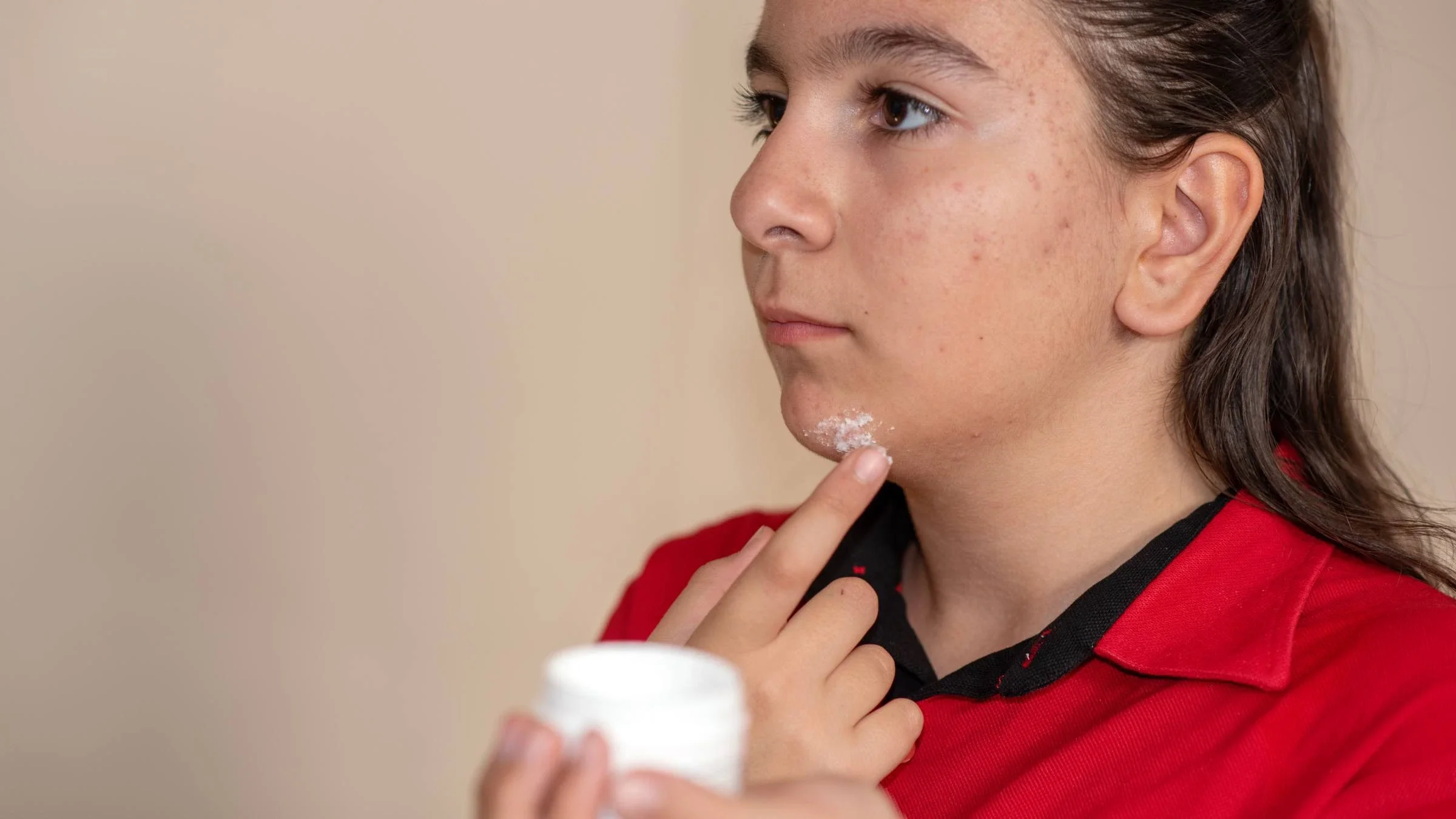
Key takeaways:
Over-the-counter (OTC) acne medications can fight acne and keep it from coming back.
Some of the best non-prescription acne medications are adapalene, benzoyl peroxide, and salicylic acid.
Not all acne creams and pimple creams contain acne-fighting ingredients. Always check labels to make sure your OTC acne treatment contains an active ingredient that treats acne.
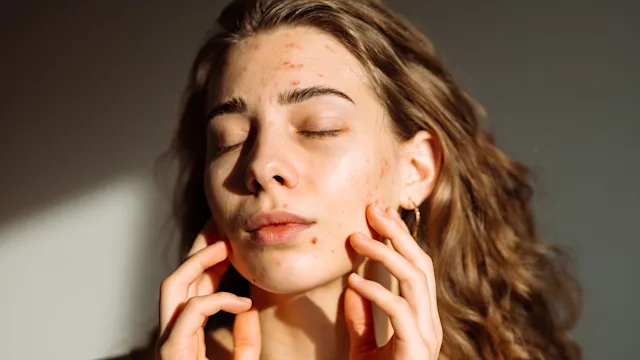
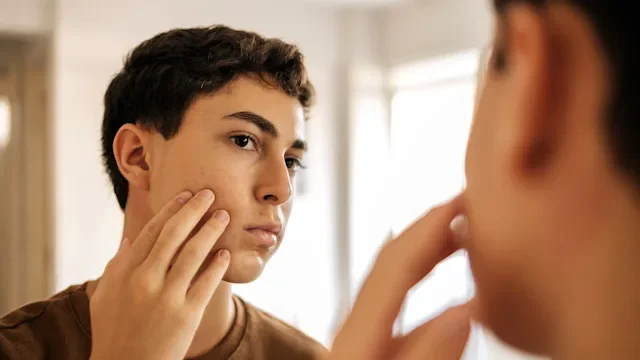
Acne is one of the most common skin issues. Everyone can get the occasional zit or pimple. For some, though, it may seem like pimples are here to stay, no matter your age.
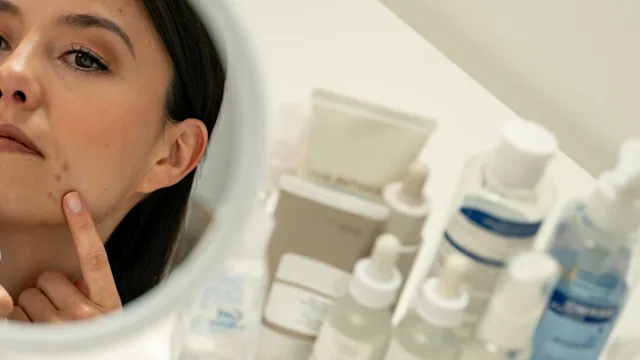
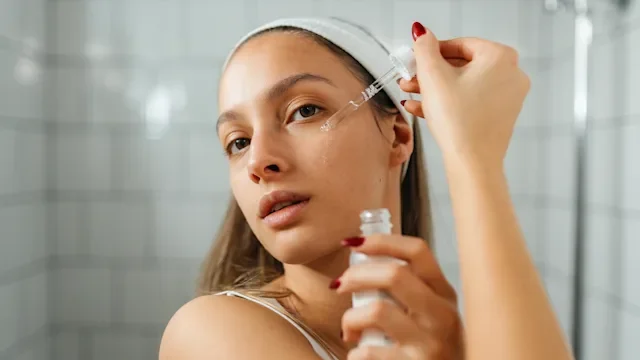
Here’s the good news: There are steps you can take to reduce the frequency and severity of breakouts. Some of the best acne treatments are available over the counter (OTC), meaning you don’t need a prescription. Here’s our guide to the best OTC acne and pimple treatments.
What is acne?
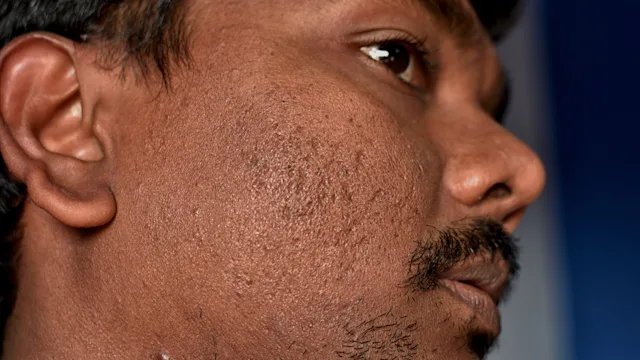
Acne is an inflammatory disorder involving the hair follicles and oil glands. It affects:
About 85% of people between ages 12 and 24
Roughly 35% of women in their 30s
Around 12% of men in their 40s
Search and compare options
Acne can also continue into your 40s and beyond. Even babies can get acne, typically between ages 2 to 12 months.
Acne usually affects the face and upper torso. You may get open and closed comedones (whiteheads and blackheads), as well as:
Papules
Pustules
Cysts
Nodules
Some people have no symptoms. But, for others, acne can also be painful or itchy.
Acne is a clinical diagnosis. That means a healthcare professional can typically make it just by looking at you — no fancy diagnostic tests needed. But even if you think your pimples are typical, it’s never a bad idea to get checked by a board-certified dermatologist to make sure. A long list of conditions can mimic acne, including:
Periorificial dermatitis
Pseudofolliculitis barbae
Medication reactions
These conditions should be treated differently.
This guide is for people with mild acne who want to try OTC acne medications before seeking medical help. If you’re not responding to OTC acne treatment, you may need prescription-strength therapy — and the sooner the better to help minimize scarring.
What are the best OTC acne medications?
Here are three OTC acne treatments with the strongest evidence backing them up.
1. Benzoyl peroxide wash
Examples of benzoyl peroxide washes include PanOxyl Acne Foaming Wash (about $12) and Neutrogena Clear Pore Facial Cleanser (about $7).
Benzoyl peroxide has been used to treat acne for decades. It’s antibacterial and also busts whiteheads and blackheads. It’s available in washes, foams, creams, and gels in concentrations ranging from 2.5% to 10%.
It’s a good idea to use the lowest-strength product that still works for you. Products containing benzoyl peroxide can be irritating and drying. Using a lower dose can help you avoid these side effects. It can also help to use washes instead of creams or gels that stay on your face.
You can use these antibacterial washes 3 to 5 times a week, usually in combination with a topical retinoid. They can bleach your sheets and towels, so make sure not to use your favorites when you’re washing with these products. On your off days, opt for gentle cleansers, like CeraVe or Cetaphil, to minimize irritation.
Benzoyl peroxide is safe to use if you’re pregnant.
2. Adapalene gel
Examples of adapalene gel include generic adapalene and brand-name Differin.
Adapalene is a type of retinoid, the mainstay of acne treatment. Retinoids reduce the formation of blackheads and whiteheads as well as microcomedones (the microscopic pore clogs that are the precursor to all acne bumps).
Retinoids work to treat acne by:
Speeding up cell turnover so dead skin cells don’t clog your pores
Reducing oil production which can lower the risk of breakouts
Reducing inflammation
The American Academy of Dermatology recommends using them alone for acne primarily made up of whiteheads and blackheads. People who tend to get inflamed, deeper-seated acne bumps often need antibiotics or other medication to control their acne.
Adapalene is the only retinoid approved to treat acne that’s available OTC. Adapalene comes as a gel and is available in generic and brand forms (Differin). The OTC form comes in only one strength.
The main side effects of topical retinoids are irritation and drying, so it’s important to use a moisturizer along with retinoids. They also make your skin more sensitive to the sun, so make sure to use a moisturizer with sunscreen (SPF) during the day.
You shouldn’t use topical retinoids if you're pregnant, so be sure to read labels carefully.
You can apply a pea-sized amount to your whole face each night. This can also help prevent future breakouts if you use it consistently. It can take several weeks to see results, and many people experience a breakout around weeks 4 to 6.
3. A good moisturizer with SPF
A good example is CeraVe AM lotion (about $19).
These won’t fight off acne, but they can help reduce irritation and dryness caused by OTC acne medications. They can also help minimize brown spots that can be left over when acne bumps fade. If you’re using retinoids, you’ll be more sensitive to the sun. Daily SPF use will keep your skin safe from sun damage.
Opt for a moisturizer with oil-free and non-comedogenic labels, which means it won’t clog your pores.
Which other active ingredients should you look for in OTC acne medication?
In addition to the three treatments named above, there are other OTC acne products you can try. These active ingredients may not have as much evidence to support their effectiveness, but they may still help fight pimples and zits.
Alpha hydroxy acids
Glycolic acid and lactic acid are two types of alpha hydroxy acids (AHAs) available as OTC acne treatments. Glycolic acid is derived from sugar cane, and lactic acid comes from sour milk. Both function as chemical exfoliants, reducing clumping of skin cells and potentially helping heal and prevent acne bumps.
AHAs are available as:
Washes
Creams
Lotions
Serums
Peels
Both lactic and glycolic acid products come in a range of strengths. Higher-strength products are more acidic. That means it’s more likely to cause side effects, like redness, dryness, and peeling.
Unlike retinoids and benzoyl peroxide, it's not clear whether AHAs work well for everyone.
Salicylic acid
Salicylic acid is a beta hydroxy acid (BHA) that also exfoliates the skin and busts whiteheads and blackheads. Like AHAs, it comes in a variety of forms and strengths. Like other OTC acne medications, BHA can cause skin dryness, redness, and peeling.
A 12-week study found that salicylic acid pads used twice daily were more effective than placebo at reducing inflammatory acne lesions and whiteheads.
That said, it’s not clear if salicylic acid works well for everyone. But it is safe to use salicylic acid during pregnancy.
Azelaic acid
The American Academy of Dermatology recommends azelaic acid as a supplementary acne treatment. It can also help reduce the pesky brown marks that pimples can leave behind. Like other acne treatments, it works by reducing:
Whiteheads
Blackheads
Inflammation
Skin bacteria
It comes in a range of forms:
Gel
Serum
Foam
Cream
It’s a weaker acid than AHA and BHA, so it may be the right choice for you if other OTC acne treatments cause unwanted side effects.
It’s safe to use if you’re pregnant.
Tea tree oil
Tea tree oil has been used in medicine for more than 70 years. A randomized trial found this antibacterial oil to be:
Almost four times more effective than placebo in reducing total pimple count
About six times more effective at reducing acne severity index
But tread carefully: Up to 3.5% of people may have a contact allergy to tea tree oil. This means that applying it to your skin can cause a reaction similar to poison ivy. If you choose to try tea tree oil, consider applying a small amount to the inside of your wrist for a few days to make sure you don’t get a reaction before slathering it onto your face.
Which OTC acne treatments should you avoid?
Avoid abrasive mechanical exfoliant scrubs, like sand-based scrubs. These can create small tears in the skin and lead to more irritation. Some people swear by their facial cleansing brushes, but there’s no evidence yet that they work to treat or prevent acne.
What’s the difference between OTC and prescription acne medications?
In general, OTC acne medications may be enough to treat mild cases of acne, especially for people who get mostly whiteheads and blackheads. But people who get large or painful pink or red bumps, or pus bumps, usually need a prescription-strength acne medication.
Prescription treatment can stop future breakouts and lower the risk of scarring from inflammatory acne.
Some prescription acne treatments also contain benzoyl peroxide and retinoids. But there’s a greater variety of formulations and strengths available by prescription. Prescription acne treatments also include medications like spironolactone, antibiotics, or isotretinoin.
Frequently asked questions
Hormones and bacteria both play a role in acne. There’s no way to tell if one is contributing to your acne more than the other just by looking at your breakout. Your healthcare team will help you develop an acne treatment plan that addresses all the factors that contribute to acne including hormones and bacteria.
There’s no way to clear up hormonal acne fast. It takes time for your skin to recover from inflammation from zits and pimples.
Your healthcare team may recommend traditional acne treatments like retinoids and benzoyl peroxide to help with hormonal acne. They may also recommend additional prescription medications that address hormonal factors (like oral contraceptive pills). It’s not clear if diet changes will help clear up hormonal acne.
Accutane isn’t available OTC. Accutane is a prescription medication that’s used to treat severe acne. Healthcare professionals must complete specialized training and participate in the iPLEDGE program in order to prescribe Accutane. Accutane causes serious birth defects and can trigger serious medical problems. People who take Accutane must also participate in the iPLEDGE program.
Hormones and bacteria both play a role in acne. There’s no way to tell if one is contributing to your acne more than the other just by looking at your breakout. Your healthcare team will help you develop an acne treatment plan that addresses all the factors that contribute to acne including hormones and bacteria.
There’s no way to clear up hormonal acne fast. It takes time for your skin to recover from inflammation from zits and pimples.
Your healthcare team may recommend traditional acne treatments like retinoids and benzoyl peroxide to help with hormonal acne. They may also recommend additional prescription medications that address hormonal factors (like oral contraceptive pills). It’s not clear if diet changes will help clear up hormonal acne.
Accutane isn’t available OTC. Accutane is a prescription medication that’s used to treat severe acne. Healthcare professionals must complete specialized training and participate in the iPLEDGE program in order to prescribe Accutane. Accutane causes serious birth defects and can trigger serious medical problems. People who take Accutane must also participate in the iPLEDGE program.
The bottom line
There are several OTC acne medications that can effectively treat and prevent acne. These work best for people with mild acne made up of whiteheads and blackheads. The most effective OTC acne treatments are adapalene 0.1% gel and products with benzoyl peroxide. Alpha hydroxy acid, beta hydroxy acid (salicylic acid), azelaic acid, and tea tree oils are also popular OTC acne treatments.

Why trust our experts?


References
American Academy of Dermatology Association. (n.d.). Acne clinical guideline.
American College of Obstetricians and Gynecologists. (2022). Skin conditions during pregnancy.
Bagatin, E., et al. (2019). Adult female acne: a guide to clinical practice. Anais Brasileiros de Dermatologia.
de Groot, A. C., et al. (2016). Tea tree oil: Contact allergy and chemical composition. Contact Dermatitis.
Decker, A., et al. (2012). Over-the-counter acne treatments: A review. Journal of Clinical Aesthetic Dermatology.
MedlinePlus. (2018). Isotretinoin.
Reynolds, R. V., et al. (2024). Guidelines of care for the management of acne vulgaris. Journal of the American Academy of Dermatology.
Russel, J. J. (2000). Topical therapy for acne. American Family Physician.
Sharad, J. (2013). Glycolic acid peel therapy – A current review. Clinical, Cosmetic and Investigational Dermatology.
Stringer, T., et al. (2018). Clinical evidence for washing and cleansers in acne vulgaris: A systematic review. Journal of Dermatologic Treatment.
Yale Medicine. (n.d.). Acne (acne vulgaris).