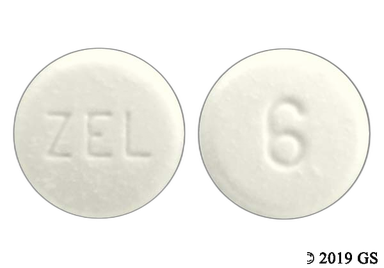
Zelnorm (tegaserod) is used to treat irritable bowel syndrome with constipation (IBS-C) in females less than 65 years old. It's taken by mouth, typically twice daily. Some of the most common side effects of Zelnorm (tegaserod) include diarrhea, passing gas, and dizziness. It works differently than other IBS-C medications by promoting gut muscle movement to relieve pain, bloating, and constipation. As of June 2022, Zelnorm (tegaserod) has been discontinued in the United States.
Irritable bowel syndrome with constipation (IBS-C) in females less than 65 years old
How Zelnorm (tegaserod) works
Zelnorm (tegaserod) is a serotonin agonist. It works by promoting gut muscle movement and releasing fluids in your gut to soften stool. Both of these actions help you to have regular bowel movements and relieve stomach pain.
Drug facts
Common Brands
Zelnorm
Drug Class
Serotonin receptor agonist
Controlled Substance Classification
Not a controlled medication
Generic Status
No lower-cost generic available
Availability
Discontinued
Side effects of Zelnorm (tegaserod)
The following side effects may get better over time as your body gets used to the medication. Let your healthcare provider know immediately if you continue to experience these symptoms or if they worsen over time.
Common Side Effects
Headache (14%)
Stomach pain (11%)
Nausea (8%)
Diarrhea (8%)
Passing gas (6%)
Indigestion (4%)
Dizziness (4%)
Less Common Side Effects
Low red blood cell count
Greater appetite
Tendon swelling
Migraines
Rectal bleeding
Weakness
Joint problems
Zelnorm (tegaserod) serious side effects
Contact your healthcare provider immediately if you experience any of the following.
Heart attack: chest pain, shortness of breath, arm or shoulder pain, lightheadedness, pain or discomfort in the jaw, neck, or back
Stroke: sudden numbness, weakness or confusion, vision loss, trouble talking, speaking, or walking
Suicidal thoughts and behavior
Severe diarrhea
Intestinal swelling and injury (ischemic colitis): new or worsening stomach pain, rectal bleeding, bloody diarrhea
The following Zelnorm (tegaserod) side effects have also been reported
Along with its needed effects, a medicine may cause some unwanted effects. Although not all of these side effects may occur, if they do occur they may need medical attention.
Check with your doctor immediately if any of the following side effects occur:
Some side effects may occur that usually do not need medical attention. These side effects may go away during treatment as your body adjusts to the medicine. Also, your health care professional may be able to tell you about ways to prevent or reduce some of these side effects. Check with your health care professional if any of the following side effects continue or are bothersome or if you have any questions about them:
Other side effects not listed may also occur in some patients. If you notice any other effects, check with your healthcare professional.
Call your doctor for medical advice about side effects. You may report side effects to the FDA at 1-800-FDA-1088.
Pros and cons of Zelnorm (tegaserod)
Pros
Works to treat constipation in people with IBS-C by promoting gut muscle movement and releasing fluid in the gut
Relieves stomach pain from IBS-C
Doesn’t have many drug interactions
Cons
Can only be used in females less than 65 without previous heart problems
Must be taken on an empty stomach to work
Might not be appropriate for people who can’t swallow pills because it’s only available as a tablet
Can’t be used in people with serious liver or kidney problems
Pharmacist tips for Zelnorm (tegaserod)
Zelnorm (tegaserod) should be taken on an empty stomach 30 minutes before meals. If you take it with food, your body won’t absorb the full amount of the medication so it might not work as well.
Diarrhea is a common side effect of Zelnorm (tegaserod). You can get diarrhea as soon as the first week of taking the medication, but this usually goes away as you continue treatment. Let your provider know if you still have diarrhea after some time.
Zelnorm (tegaserod) can also cause severe diarrhea or bloody diarrhea. Severe diarrhea causes your body to lose too much fluid, leading to dizziness or passing out. Bloody diarrhea, rectal bleeding, or worsening stomach pain are symptoms of intestinal injury. Stop taking Zelnorm (tegaserod) and contact your provider right away if you have any of the symptoms above.
Zelnorm (tegaserod) can put you at a higher risk for heart attacks. Symptoms of a heart attack include chest pain, arm or shoulder pain, trouble breathing, and lightheadedness. Stop taking Zelnorm (tegaserod) and contact your provider if you experience any of these symptoms.
Zelnorm (tegaserod) can also put you at a higher risk for strokes. Symptoms of a stroke include sudden numbness or weakness on one side of the body, confusion, trouble walking, and trouble speaking. Contact your provider immediately if you notice any of these symptoms while on Zelnorm (tegaserod).
Risks and warnings for Zelnorm (tegaserod)
Zelnorm (tegaserod) can cause some serious health issues. This risk may be even higher for certain groups. If this worries you, talk to your doctor or pharmacist about other options.
Heart attacks and strokes
Risk factors: Current smoking | History of high blood pressure | History of high cholesterol | History of diabetes | People 55 years or older | Obesity
Zelnorm (tegaserod) can put you at a higher risk for getting dangerous heart problems, like strokes and heart attacks. People with a history of stroke, heart attack, or chest pain should not use Zelnorm (tegaserod). Your chance of getting a heart attack or stroke while on the medication is higher if you currently smoke, have high blood pressure, high cholesterol, diabetes, obesity, or are older than 55 years old.or obesity. Talk to your provider if you are concerned with this side effect.
Heart attack symptoms include chest pain, shoulder or arm pain, and shortness of breath. Stroke symptoms include sudden face numbness, difficulty moving arms or legs, and trouble breathing. Chest pain, or angina, can also occur while taking Zelnorm (tegaserod). This kind of chest pain happens when there’s not enough blood flow to your heart. If you experience a heart attack, stroke, or chest pain while on Zelnorm (tegaserod), stop the medication. Let your provider know if you have any concerns, so they can help you find a safe treatment.
Intestinal swelling and injury (ischemic colitis)
Risk factors: History of heart disease | History of high blood pressure | History of high cholesterol | Previous abdominal surgery | People older than 60 years old | History of diabetes
Zelnorm (tegaserod) can reduce blood flow to the intestines, which causes swelling and injury to the intestines, known as ischemic colitis. This can be serious and might lead to hospitalization. Your risk is higher if you have a history of heart disease, high blood pressure, high cholesterol, diabetes, previous abdominal surgery, or are older than 60 years old. You should stop taking Zelnorm (tegaserod) and contact your provider right away if you experience bleeding from your rectum, bloody diarrhea, or new or worsening stomach pain, as this may be a sign of ischemic colitis.
Loss of body fluids from diarrhea
Zelnorm (tegaserod) eases constipation by promoting gut muscle movements and releasing fluids in the gut. But as a result, Zelnorm (tegaserod) can also cause severe diarrhea that leads to a lot of fluid loss in your body. If you lose more fluids than you’re taking in, your body won’t be able to work properly. You can feel faint, dizzy, or even pass out. This might require hospitalization for rehydration treatment. Stop taking Zelnorm (tegaserod) and let your provider know if you have severe diarrhea, low blood pressure, or dizziness.
Suicidal thoughts and behavior
Risk factors: Taking antidepressants | History of suicidal thoughts and behavior
Zelnorm (tegaserod) can raise the risk of suicide, suidical attempts and thoughts, and self-harm. This occurs more often if you are also using antidepressants or have a history of suicidal thoughts and behavior. These symptoms usually happen the first few months of treatment. If you or your family members notice that you have any worsening depression or begin to have suicidal thoughts and behavior, stop taking Zelnorm (tegaserod) right away and contact your provider.
Zelnorm (tegaserod) dosage
Typical dosage for Zelnorm (tegaserod)
The typical dosage is 6 mg by mouth twice daily at least 30 minutes before meals.
Interactions between Zelnorm (tegaserod) and other drugs
Zelnorm (tegaserod) may interact with certain medications or supplements. Always let your doctor and pharmacist know about any other medications or supplements (including prescribed and over-the-counter medications, vitamins, and dietary or herbal supplements) that you are currently taking. The list below does not include all possible drug interactions with Zelnorm (tegaserod). Please note that only the generic name of each medication is listed below.
Although certain medicines should not be used together at all, in other cases two different medicines may be used together even if an interaction might occur. In these cases, your doctor may want to change the dose, or other precautions may be necessary. Tell your healthcare professional if you are taking any other prescription or nonprescription (over-the-counter [OTC]) medicine.
Zelnorm (tegaserod) contraindications
Contraindications are specific health conditions or situations in which a person should not take a medication due to safety concerns. If you have any of the following conditions or if any of the following apply to you, let your healthcare provider know because Zelnorm (tegaserod) will not be safe for you to take.
History of heart problems, such as stroke or heart attack
History of intestinal injury and swelling due to reduced blood flow (ischemic colitis)
Severe kidney problems
Moderate to severe liver problems
History of bowel blockage
What are alternatives to Zelnorm (tegaserod)?
There are a number of medications that your doctor can prescribe in place of Zelnorm (tegaserod). Compare a few possible alternatives below.
Zelnorm (tegaserod)
Used for:
Irritable bowel syndrome with constipation (IBS-C) in females less than 65 years old
GoodRx Health has strict sourcing policies and relies on primary sources such as medical organizations, governmental agencies, academic institutions, and peer-reviewed scientific journals. Learn more about how we ensure our content is accurate, thorough, and unbiased by reading our editorial guidelines.
Prescription savings
Stop paying too much for your prescriptions. Compare prices, get pharmacy coupons, and save up to 80%.
Zelnorm has been discontinued by its manufacturer in 2022 due to business reasons. If you have a valid prescription, you might still be able to get Zelnorm at pharmacies until the supply runs out. You should speak with your provider as soon as possible about switching to another medication for IBS-C.
The manufacturer has discontinued Zelnorm as of 2022. Zelnorm was first approved in 2002. But it was taken off the market 5 years later due to a possible link to dangerous heart problems, like heart attack and stroke. After a review by the FDA, Zelnorm was reintroduced in 2019 for females less than 65 years old without previous heart problems. The manufacturer removed Zelnorm from market again in 2022, but this time because of business reasons and not because of issues with safety.
Zelnorm can start to work in as early as 1 week. Contact your provider if you notice no improvement in your symptoms after 4 to 6 weeks of treatment, as you might need to switch to a different medication.
Let your provider know if you have high blood pressure. Zelnorm can raise your risk of heart problems, like heart attacks and strokes. Having certain risk factors, such as high blood pressure, heart disease, diabetes, high cholesterol, current smoking, being over the age of 55, or obesity can put you at a higher risk for these heart problems. Make sure your provider is aware of your full medical history before you take Zelnorm.
Constipation can happen if you don’t have enough fluids or if your gut muscles aren’t working as they should. Other IBS-C medications, such as Linzess (linaclotide) and Trulance (plecanatide), work by raising the amount of fluid in your gut to soften your stool and make it easier to pass. Zelnorm does this as well, but it can also promote muscle movements in your gut to further help with constipation and pain.