Key takeaways:
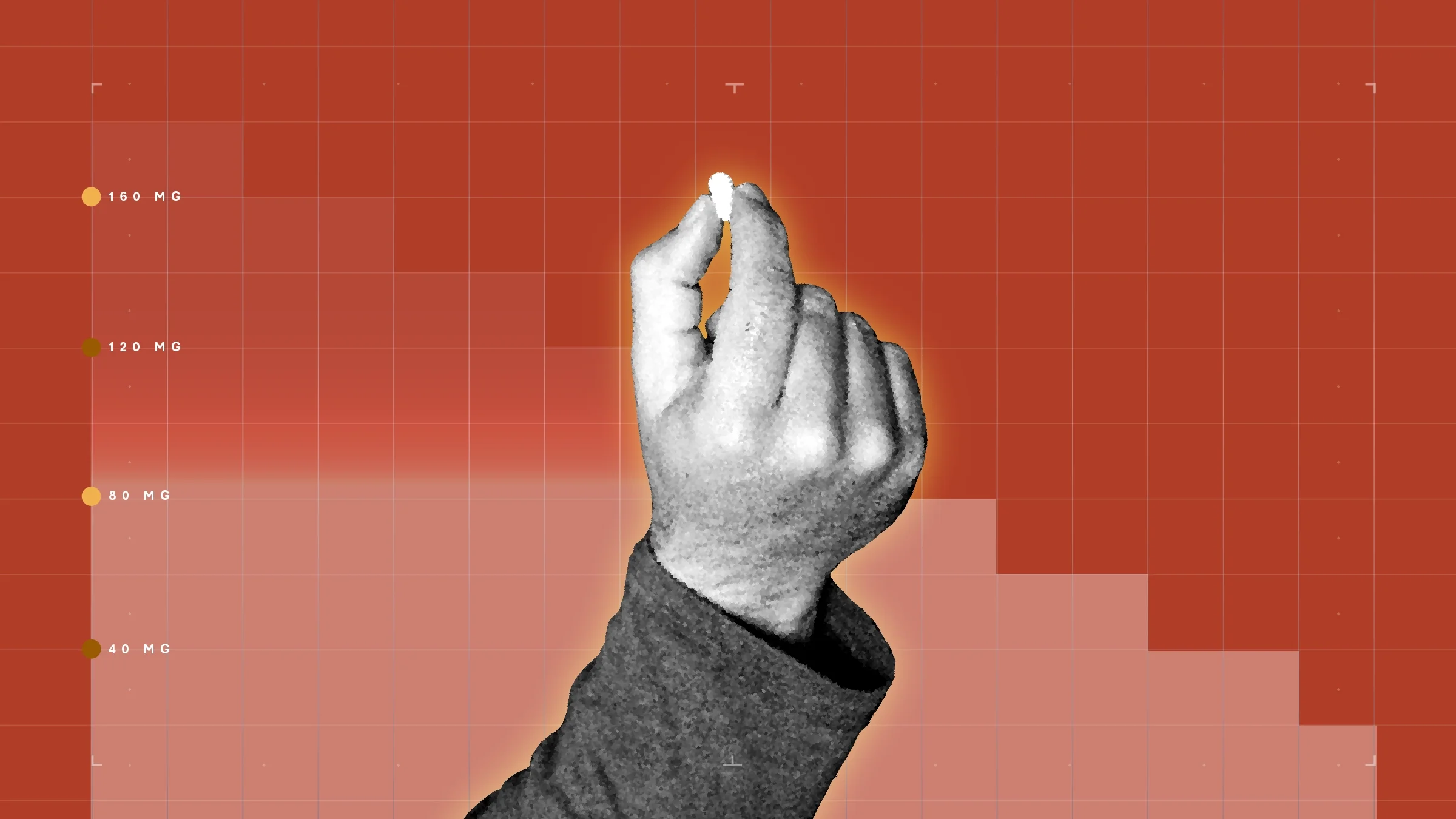
Xtandi (enzalutamide) is an oral medication used to treat several types of prostate cancer in adults. The typical Xtandi dosage is 160 mg by mouth once daily.
You may need a lower Xtandi dosage if you experience severe side effects or take a medication that interacts with it.
You may be able to stop taking Xtandi if your prostate-specific antigen (PSA) level falls below a certain level. But in many cases, you’ll take it long term unless you experience side effects or your cancer progresses.
GoodRx can help you find ways to save on your Xtandi prescription, including a manufacturer copay savings card and patient assistance program.
Save on related medications
Xtandi (enzalutamide) is an oral medication that treats several types of prostate cancer in adults. It works by blocking certain receptors (binding sites), which in turn prevents testosterone from fueling the growth of prostate cancer.
Your prescriber will help determine the right Xtandi dosage for you based on your medical history, other medications you take, and how you respond to treatment. This article reviews the FDA-approved Xtandi dosages, common dosage adjustments, and what to do if you miss a dose. But always follow your prescriber’s instructions, even if they differ from what’s described below.
What’s the typical Xtandi dosage for adults?
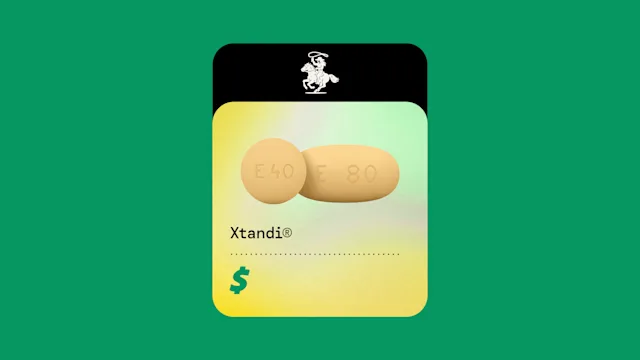
The recommended Xtandi dosage is 160 mg once daily. It comes in 40 mg capsules and 40 mg and 80 mg tablets. So for each dose, you’ll need either two 80 mg tablets or four 40 mg capsules or tablets. You can take Xtandi with or without food, but you must swallow the pills whole.
Xtandi is FDA approved for the following types of prostate cancer:
Castration-resistant prostate cancer (CRPC): cancer that grows even when testosterone levels are very low
Metastatic castration-sensitive prostate cancer (mCSPC): cancer that has spread outside of the prostate but remains sensitive to treatment that lowers testosterone levels
Nonmetastatic castration-sensitive prostate cancer (nmCSPC) with biochemical recurrence at high risk for metastasis (high-risk BCR): prostate cancer that has returned after previous treatment but remains localized to the prostate and sensitive to testosterone-lowering treatments
If you’re taking Xtandi for CRPC or mCSPC, you’ll likely need an additional treatment to lower your testosterone levels. This may include:
Bilateral orchiectomy: surgical removal of both testicles
Luteinizing hormone-releasing hormone (LHRH) agonists, such as leuprolide (Lupron Depot, Eligard)
LHRH antagonists, such as relugolix (Orgovyx)
You can take Xtandi with or without an additional treatment to lower testosterone if you’re treating nmCSPC with high-risk BCR.
How long do you need to take Xtandi?
If you’re treating CRPC or mCSPC, Xtandi treatment will likely continue long term unless you experience severe side effects or your cancer progresses.
For nmCSPC with high-risk BCR, your prescriber may have you stop taking Xtandi if your prostate-specific antigen (PSA) level falls below 0.2 ng/mL after 36 weeks (about 8 months) of treatment. The PSA test is the most common test used to screen for prostate cancer. You may need to restart Xtandi if your PSA levels start to rise again. So be sure to stay on top of your follow-up appointments, even if you’re no longer taking the medication.
Are there any dosage adjustments for medical conditions?
You may need a different Xtandi dosage due to side effects, liver problems, or medication interactions.
Dosage adjustments for side effects
Xtandi can sometimes cause bothersome or serious side effects, such as fatigue, falls, and heart problems. If severe side effects happen, your prescriber may have you temporarily stop Xtandi for 1 week or until your symptoms resolve. They may then restart you at a lower dosage of 120 mg or 80 mg once daily to help prevent side effects in the future.
Dosage adjustments for medication interactions
Some medications can affect Xtandi levels in the body, which may require a dose adjustment.
If you take a medication that increases Xtandi levels, such as gemfibrozil (Lopid), you may need a lower Xtandi dosage or a different prostate cancer treatment.
If you take a medication that lowers Xtandi levels, such as carbamazepine (Tegretol, Equetro), you may need a higher Xtandi dosage or a different prostate cancer treatment.
Be sure to review your current list of medications and supplements you take with your cancer care team before starting Xtandi. They can look for any possible interactions and make adjustments if needed.
What happens if you miss a dose of Xtandi?
If you miss a dose of Xtandi, take it as soon as you remember on the same day. Then take your next dose at the regular scheduled time.
If you miss an entire day of Xtandi, skip the missed dose and restart your regular schedule the next day. Don’t double up on your dose to make up for one you missed.
If you miss several doses in a row, contact your pharmacist or prescriber for guidance. They can help you get back on track with your medication safely. Consider tools, such as a medication reminder app or daily pill organizer, to help you remember your medication in the future.
What should you do if you take too much Xtandi?
Taking an extra Xtandi dose may raise your risk of side effects, such as tiredness, dizziness, or headache. Taking a large amount of Xtandi could lead to more serious problems, such as seizures.
If you take more Xtandi than prescribed, contact your prescriber or reach out to Poison Control online or at 1-800-222-1222 for guidance. If any side effects occur that seem serious or life-threatening, seek emergency medical care right away.
How to save on Xtandi
There are ways to save on Xtandi, which is available as a brand-name medication. GoodRx can help you navigate between copay savings cards and patient assistance programs to save money on your prescription.
Save with a copay savings card. If you have commercial insurance, you may be eligible to pay as little as $0 per month for Xtandi using a savings card from the manufacturer.
Save with patient assistance programs. If you’re uninsured or underinsured, you may be eligible for Xtandi’s patient assistance program, which offers the medication free of charge.
The bottom line
Xtandi (enzalutamide) is an oral medication used to treat several types of prostate cancer in adults. The typical Xtandi dosage is 160 mg by mouth once daily, with or without food. You may need a lower Xtandi dosage if you experience severe side effects or take a medication that interacts with it.
You may be able to stop taking Xtandi if your prostate-specific antigen (PSA) level falls below a certain level. But in many cases, you’ll take it long term unless you experience side effects or your cancer progresses. Always take Xtandi exactly as prescribed and talk to your healthcare team before making any changes to your treatment.

Why trust our experts?




References
American Society of Health-System Pharmacists. (2025). Enzalutamide. MedlinePlus.
Astellas Pharma US. (2025). Xtandi- enzalutamide capsule [package insert].
Lennep, B. W. (2024). Enzalutamide: Understanding and managing drug interactions to improve patient safety and drug efficacy. Drug Safety.
National Cancer Institute. (n.d.). Orchiectomy. U.S. Department of Health and Human Services.
Poison Control. (n.d.). Get Poison Control help online now. National Capital Poison Center.