Although menstrual periods are a normal part of life, people don’t talk about them much. This can leave many of us feeling like we don’t know if our periods are normal — or if they aren’t.
Here are some characteristics of a typical menstrual period:
A new period starts every 21 to 45 days.
Bleeding lasts 2 to 7 days.
The amount of bleeding is manageable.
Cramps are mild or go away with over-the-counter pain medication.
Mood changes and other symptoms don’t interfere with daily activities.
Periods start during puberty (around age 12) and stop at menopause (around age 50).
What is premenstrual syndrome (PMS)?
For several days right before your period, the hormone levels in your body are high. This is a normal part of the menstrual cycle, although for some people these hormones can have unpleasant consequences. The effects of these hormones on your body are called premenstrual syndrome, or PMS.
Up to 80% to 90% of people who menstruate experience symptoms leading up to their menstrual periods.
Most people who get periods experience PMS at some point — but it can take different forms in different people, and can affect many different parts of you. It can also change throughout your life. The main thing your symptoms will have in common is that they occur in a monthly pattern that relates to your period. For most people, PMS symptoms kick in about a week before their period, and then gradually get better once their period starts.
Some common symptoms of PMS are:
Belly pain or cramps
Digestive problems, diarrhea, or bloating
Migraines or headaches
Feeling tired or having difficulty sleeping
Breast tenderness
Acne
Trouble concentrating
Irritability, moodiness, or sadness
Just because PMS is caused by natural hormone changes doesn’t mean you have to put up with it. If you have PMS, there are a variety of straightforward things you can do to make it less of a problem. Prescription solutions are available for many of the symptoms, too.
What are menstrual disorders?
Menstrual disorders happen when your menstrual cycle isn’t happening exactly as it should. Sometimes, this is because of your hormone patterns, and sometimes it’s because of the way your body responds to your hormones. Most menstrual disorders fall into one (or more) of these categories.
Your bleeding is too heavy
This refers to the amount, or volume, of blood that comes out. Bleeding too much is called menorrhagia, and it can go unnoticed if you don't know how much bleeding is normal. Many people with menorrhagia don't realize they’re losing too much blood, and they can become iron-deficient or anemic.

Read more like this
Explore these related articles, suggested for readers like you.



Your periods last too long
If your period bleeding lasts longer than about 8 days, there might be a problem with the lining of your uterus, or with the hormones controlling your cycle.
You’re bleeding when you shouldn’t be
Spotting in between periods might happen occasionally, but it shouldn’t happen all the time. Certain birth control methods, such as Depo-Provera injections and some birth control pills, can cause this — but so can some medical conditions.
You’re not bleeding when you should be
You should get a period every month, unless you’re pregnant, breastfeeding, or taking medication to stop it. If your periods go away unexpectedly, you’ll want to find out why.
The pain is terrible
Menstrual cramps can slow you down, but they shouldn’t keep you from doing the things you want to do. If your abdominal pain is too intense to ignore, that’s not OK.
Mood changes are causing you problems
It’s not unusual to get a little moody, anxious, or distractable during the days leading up to your period. But if you think your emotions are too strong to handle during the week before your period each month, you could be dealing with something bigger.
You have another medical condition that gets worse with your periods
The hormone changes that come with your monthly cycle can cause all kinds of turmoil inside your body. Your period can cause a variety of symptoms that come and go every month, and those can affect your:
Mental health
Skin
Bowel health
Neurological health
Urinary health
How the menstrual cycle works
Each month, your menstrual cycle is triggered by changes in hormone levels. Here’s how that happens:
Your brain sends a signal.
The signal causes your ovaries to make hormones.
Different parts of your body respond as the hormones rise and then fall.
Your period begins, and the whole cycle starts again.
If your periods don’t follow a regular monthly pattern, or if the hormones are causing you troublesome symptoms, there could be an issue with some part of this process.
It’s normal for your periods to be weird at times in your life when your body is changing. Some of these times are:
When you first get your period, and for 2 to 3 years afterward
When you are recovering from pregnancy
While you are breastfeeding a newborn
Following a miscarriage
After starting or changing hormone-containing medications (like birth control pills)
As you approach menopause (about age 45 to 55)
If you have problems with your menstrual cycle, you’ll want to talk to a healthcare provider about starting a workup. Menstrual cycles are complicated, and many pieces of information might need to come together before you can pin down the correct diagnosis.
Quiz: Do I have endometriosis?
Common menstrual disorders
Problems with your cycle pattern
Problems with bleeding and blood loss
Problems with painful periods
Problems with period-related mood changes
Treating menstrual disorders
Different menstrual disorders call for different treatments. Some menstrual disorders can be managed with over-the-counter medications and healthy habits. Others require prescription medications, visits to a specialist, or even surgery.
OTC and home remedies
Since people experience menstrual disorders differently, you’ll want to find a strategy that works for you. Here is some general advice to treat PMS and help you feel better when you get your period.
For period cramps:
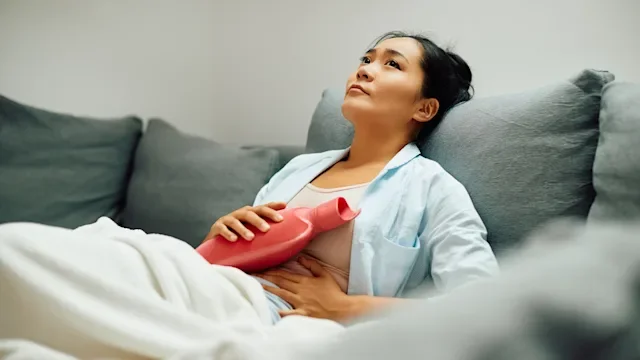
Place a heating pad on your belly or lower back.
Get some gentle exercise (this helps with migraines and mood symptoms, too).
Try acupuncture or acupressure.
Start a multivitamin that contains calcium and magnesium.
For bloating and digestive discomfort:
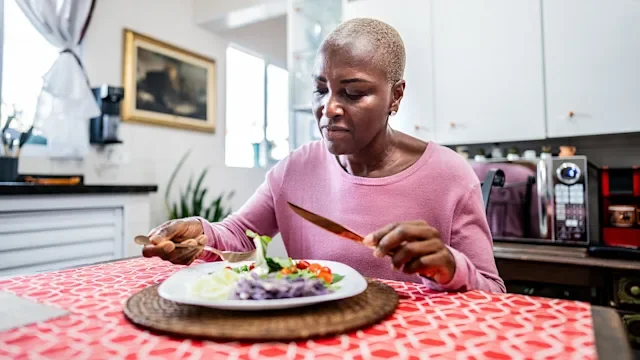
Drink plenty of water or juice.
Limit high-fat and salty foods.
Eat plenty of fruits and vegetables.
Switch to small, frequent meals.
For period-related migraines or headaches:
Stay hydrated.
Avoid caffeine and alcohol.
Take acetaminophen (Tylenol) or naproxen (Aleve).
Make sure you’re getting enough sleep.
For mild mood symptoms:
Try to wake up, eat, and sleep on a regular schedule.
Get some exercise every day.
Avoid unnecessary stress.
Mediate or keep a journal.
Stay connected to people who support you.
Consider talking to a counselor, therapist, or religious leader.
Here are some other tips to keep in mind:
Eating complex carbohydrates and starches can limit cravings and mood symptoms.
An iron supplement will help fight fatigue, especially if you tend to get heavy periods.
Think ahead and ramp up your skincare regimen or ask your provider about prescription treatments for hormonal acne.
Birth control pills & other hormone medications
Medications that contain hormones — such as birth control pills — are often very helpful for menstrual disorders. When you take them, your body responds by putting its own hormone production on hold.
The daily schedule for these medications causes regular changes in your hormone levels, which puts you in control of your cycle. And because the amount of hormone in the medications is low, taking them lowers the overall hormone levels in your body — and that can reduce or eliminate hormone-related symptoms.
Menstrual suppression
Menstrual suppression is the name for spreading out or stopping your periods with medication. Birth control shots like Depo-Provera, and medication-releasing intrauterine devices (IUDs) like Liletta or Mirena, can be used for menstrual suppression. Many types of birth control pills can also be used to change if, or how often, you get a period. One common schedule allows for a period every 3 months, or just 4 times a year.
Research looking at menstrual suppression has shown that it is safe for most people. In fact, it might even have advantages. If you have a menstrual disorder, menstrual suppression can limit how often you have symptoms. If you’re sexually active, it can double as birth control. And by keeping lifetime hormone levels low, there’s a chance menstrual suppression can reduce the risk of some hormone-dependent cancers.
Antidepressants
Premenstrual mood disorders can often be treated with an antidepressant medication like fluoxetine (Prozac), citalopram (Celexa), or sertraline (Zoloft). This might mean taking medication every day, no matter where you are in your menstrual cycle. For some people, taking antidepressants for just 2 weeks right before each period is enough to get a handle on their symptoms. You’ll want to work closely with a healthcare provider to figure out the best option for you.
PMDD officially became a mental health diagnosis in 2012.
Preventing menstrual disorders
Menstrual disorders are caused by many factors. Genetics play a large role in conditions like endometriosis, bleeding disorders, and mental health problems. Since there’s not much you can do about your genetics, preventing menstrual disorders is hard to do.
Between 3% and 8% of people who menstruate have PMDD.
That being said, it’s helpful to remember that our menstrual cycles are the result of many interconnected systems inside our bodies. Everything we do to stay healthy helps maintain healthy periods, including:
Eating right
Exercising
Maintaining a healthy body weight
Getting enough sleep
Participating in activities that boost our mood
Getting help
Menstrual periods should not create barriers in your life. If you can’t do the things you want to do because of your periods, or because of the symptoms that come with your periods, it’s time to talk to your healthcare provider.
Too often, people are shy about discussing their menstrual cycles. And many menstrual problems go unrecognized because the people who have them don’t realize their symptoms aren’t normal. It’s important to have honest discussions with your healthcare providers about your body and your menstrual cycles, especially if you have concerns.
Unlike in the past, there are now many new solutions to menstrual problems. Developments in testing and diagnosis can help sort out what’s going on. A variety of medical technologies are being used to deliver effective medications at lower doses than ever before. And we are learning that, for many people, putting a pause on menstrual cycles is safe — and might even come with health benefits.
The bottom line is to stay in touch with your healthcare provider — and with your body. Your menstrual cycle can hold clues to your health. If something doesn’t seem right, it’s worth making the effort to ask.
Keep in mind
Pregnancy can sometimes be confused with menstrual disorders. When you first get pregnant, you might experience:
Unexpected bleeding
Cramps
Nausea
Breast tenderness
Mood changes
These things can all happen in early pregnancy, even before you’ve missed a period. The timing can make it seem like you’re getting PMS symptoms.
If you’re sexually active and you experience unexpected changes to your cycle, it’s possible that you are pregnant. No birth control method is perfect, so consider taking a home pregnancy test. If it’s negative, wait a couple weeks and take another one. Then, talk to your provider to make sure.
No matter what’s going on, it’s a good idea to pay attention if your periods change unexpectedly. It doesn’t happen often, but sometimes serious medical conditions, like cancer, can first show up as a menstrual disorder. Problem periods can be a sign of something bigger, so don’t wait to talk to your healthcare provider.
Common concerns
References
American College of Obstetrics and Gynecologists. (2015). Menstruation in girls and adolescents: Using the menstrual cycle as a vital sign.
American College of Obstetricians and Gynecologists. (2019). Heavy menstrual bleeding.
American College of Obstetricians and Gynecologists. (2020). Amenorrhea: Absence of periods.
Arowojolu, A. O., et al. (2012). Effect of birth control pills on acne in women. Cochrane Database of Systematic Reviews.
Centers for Disease Control and Prevention. (2020). What is von Willebrand disease?.
Committee on Adolescent Health Care. (2019). Screening and management of bleeding in adolescents with heavy menstrual bleeding. The American College of Obstetricians and Gynecologists.
Hantsoo, L., et al. (2015). Premenstrual dysphoric disorder: Epidemiology and treatment. Current Psychiatry Reports.
Hantsoo, L. (2019). What is PMDD?. International Association for Premenstrual Disorders.
Hillard, P. A. (2014). Menstrual suppression: Current perspectives. International Journal of Women's Health.
American Academy of Family Physicians. (2016). Premenstrual disorders. American Family Physician.
International Association for Premenstrual Disorders. (2020). What is PME?.
Rapkin, A. J., et al. (2013). Treatment of premenstrual dysphoric disorder. Sage Journals.
Reid, R. L. (2017). Premenstrual dysphoric disorder (formerly premenstrual syndrome). Endotext.
Strandjord, S. E., et al. (2015). Monthly periods—Are they necessary?. Pediatric Annals.
Torkan, B., et al. (2021). The role of water intake in the severity of pain and menstrual distress among females suffering from primary dysmenorrhea: A semi-experimental study. BMC Women's Health.

Why trust our experts?